Transplanting Palms Without Shock: A Step-by-Step Guide for Healthy Garden Growth
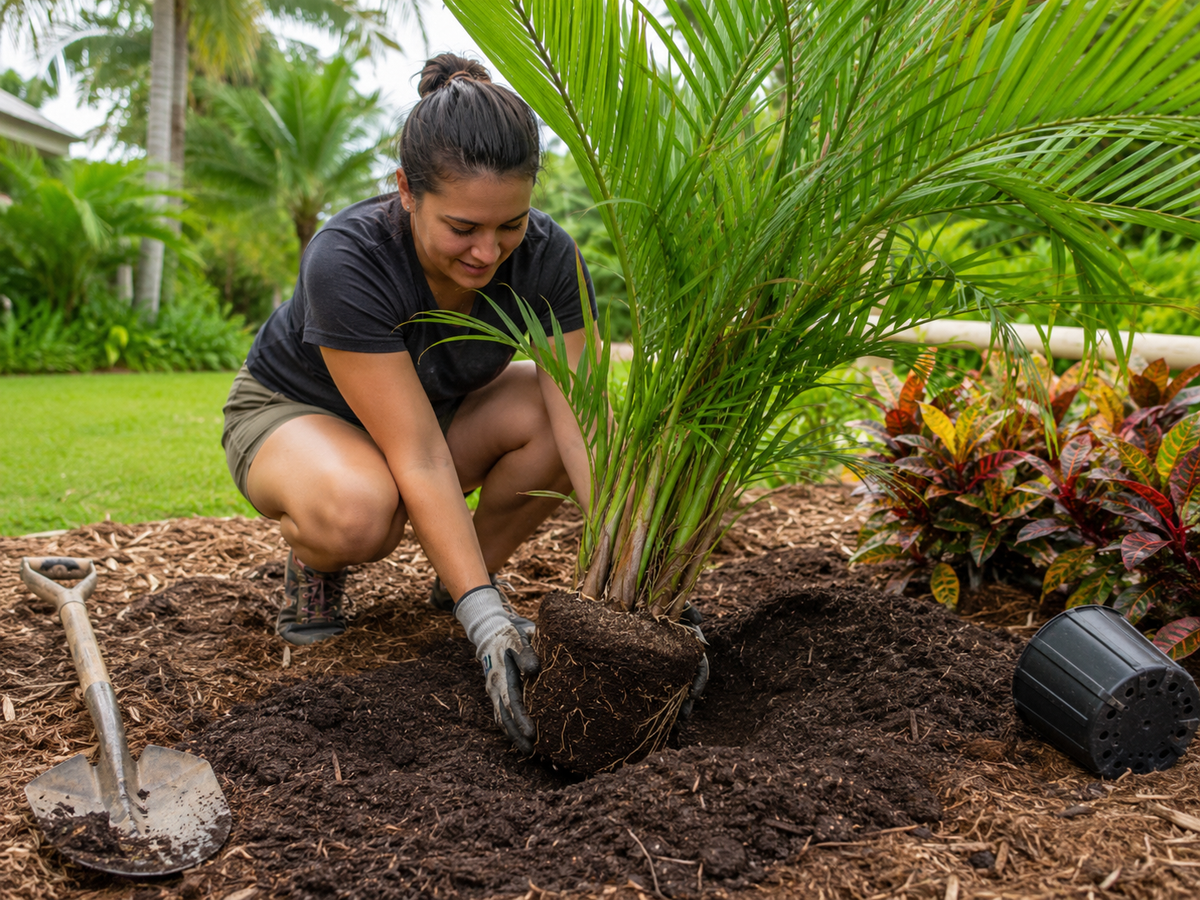
Transplanting palms can instantly transform a garden, adding height, shade, structure, and a relaxed tropical feel. But palms can also be sensitive when moved. If the roots are damaged, the soil is poorly prepared, or watering is inconsistent, the plant may suffer from transplant shock. This can show up as yellowing fronds, browning tips, drooping leaves, or stalled growth.
While this guide focuses on transplanting palms without shock, the same soil principles matter for many container-grown plants, including bamboo. In fact, the right potting mix is especially important for container-grown bamboo because bamboo relies entirely on the mix inside the pot for moisture, nutrients, drainage, and root health. Whether you are growing palms, bamboo, or other screening plants in containers, the growing medium can make the difference between lush growth and ongoing stress.
For palms, the goal is simple: move the plant carefully, keep the roots protected, and settle it into soil that drains well, holds enough moisture, and supports recovery.

Why Palms Experience Transplant Shock
Transplant shock happens when a palm struggles to adjust after being moved. This usually occurs because the root system has been disturbed or because the new planting environment is too different from the old one.
Palms do not respond to root damage in the same way many woody plants do. A rough transplant can set them back significantly. That is why timing, preparation, soil quality, and aftercare all matter.
Common signs of transplant shock include:
- Wilting or drooping fronds
- Yellowing leaves
- Brown leaf tips
- Slower growth
- Fronds drying out from the edges
- A loose or unstable trunk
The good news is that careful handling can greatly reduce the risk.
Step 1: Choose the Right Time to Transplant
The best time to transplant palms is during warm weather when they are actively growing. In many Australian gardens, spring and early summer are ideal because the palm has time to establish before cooler weather arrives.
Avoid transplanting during extreme heat, drought, frost, or strong winds. These conditions increase stress and make it harder for the palm to recover.
If your palm is in a pot, water it thoroughly the day before transplanting. This hydrates the root ball and helps the mix hold together when the plant is removed.
Step 2: Prepare the New Planting Site First
Never dig up or remove a palm from its pot before the new location is ready. The less time the roots spend exposed, the better.
Choose a spot with the right light for your palm variety. Some palms love full sun, while others prefer filtered light or part shade. Dig a planting hole that is about twice as wide as the root ball but no deeper than the existing root depth. Planting too deep is a common mistake and can lead to rot.
Improve the soil if needed, but avoid creating a rich, water-holding pocket in heavy clay. Instead, aim for a planting area that encourages roots to move outward into the surrounding soil.

Step 3: Understand What Makes a Good Soil Mix
A good soil mix helps the palm recover quickly by supporting healthy roots. This is also where bamboo-growing advice is useful, because container-grown bamboo needs the same core soil qualities: drainage, moisture retention, aeration, and nutrients.
Drainage
Both palms and bamboo need water, but neither performs well in constantly soggy soil. A good mix should allow excess water to drain away freely. For containers, always use a premium potting mix rather than garden soil. For in-ground planting, improve drainage by loosening the surrounding soil and avoiding compacted planting holes.
Moisture Retention
The soil should hold enough moisture to keep roots hydrated while they establish. Ingredients such as composted bark, coco coir, and quality compost can help retain moisture without creating waterlogged conditions.
Aeration
Roots need oxygen. Heavy, compacted soil can suffocate roots and slow recovery. A well-structured mix with bark fines, perlite, coarse sand, or similar materials allows air to move through the root zone.
Nutrients
Palms need nutrients to rebuild strength after transplanting, but avoid overfeeding immediately. A gentle slow-release fertilizer can be used once the plant begins settling in. For bamboo in containers, regular feeding during the growing season is important because nutrients wash out of pots over time.
Step 4: Remove the Palm Carefully
If the palm is in a pot, tip the container gently and slide the root ball out. Avoid pulling hard on the trunk. If the plant is stuck, tap the sides of the pot or cut the container away if necessary.
For in-ground palms, dig a wide root ball and keep as much soil around the roots as possible. The root ball should stay intact. Wrap it in hessian or shade cloth if it needs to be moved any distance.
Handle the palm by the root ball rather than the trunk whenever possible. Damaged roots are one of the biggest causes of transplant shock.

Step 5: Replant at the Correct Depth
Place the palm in the new hole or container at the same depth it was growing before. The top of the root ball should sit level with the surrounding soil surface.
Backfill gently around the root ball, firming the soil enough to remove large air pockets but not so hard that it becomes compacted. Water thoroughly after planting to settle the soil around the roots.
For containers, choose a pot with excellent drainage holes and enough width for the root system. Do not place gravel in the bottom as a “drainage layer”; it is usually better to use a free-draining potting mix throughout the pot.
Step 6: Water Consistently During Recovery
Watering is critical after transplanting. The root ball should stay evenly moist but not waterlogged. Deep watering encourages roots to settle and expand into the surrounding soil.
For the first few weeks, check moisture regularly. Hot, windy weather may require more frequent watering. Container palms dry out faster than in-ground palms, so monitor them closely.
A layer of mulch around the base helps conserve moisture and regulate soil temperature. Keep mulch slightly away from the trunk to reduce the risk of rot.
Common Soil Mistakes to Avoid
One of the most common mistakes is using heavy garden soil in containers. This is a problem for palms and bamboo alike. Garden soil can compact in pots, blocking air and drainage.
Another mistake is using very cheap potting mix. Low-quality mixes may dry unevenly, repel water, or break down quickly. For long-term container plants, a premium mix is worth the investment.
Avoid overwatering after transplanting. More water does not always mean better recovery. Roots need both moisture and oxygen.
Also avoid fertilizing too heavily right away. A stressed palm needs time to settle before being pushed into fast growth.

Step 7: Protect the Palm While It Establishes
Newly transplanted palms may need temporary protection from harsh sun, strong wind, or extreme heat. Shade cloth can help for a short period, especially for smaller palms or shade-loving varieties.
Remove dead or badly damaged fronds, but avoid over-pruning. Green fronds help the palm produce energy while it recovers. Give the plant time. Some palms take weeks or even months to fully settle after moving.
Careful Transplanting Starts with Healthy Roots
Transplanting palms without shock is all about reducing stress. Prepare the new site first, protect the root ball, plant at the correct depth, water consistently, and use soil that supports healthy root recovery.
The same principles apply to many container-grown garden favorites, including bamboo: choose a mix with good drainage, steady moisture retention, strong aeration, and balanced nutrients. Avoid heavy garden soil, poor-quality potting mixes, waterlogging, and overfeeding.
With the right method and a little patience, your palm can settle into its new home and continue adding beauty, shade, and tropical charm to your garden for years to come.