Mulching Around Planter Boxes and Troughs: How to Keep Pots Cooler and Wetter
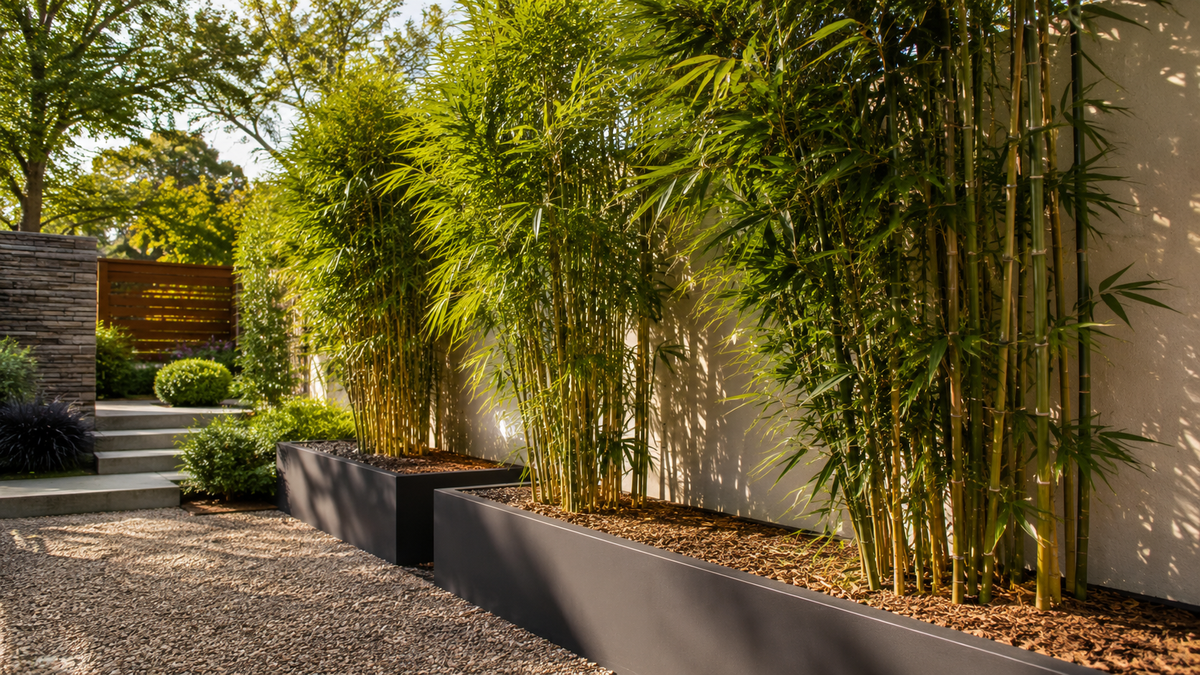
Planter boxes and troughs are perfect for growing bamboo, screening plants, herbs, ornamentals, and compact feature gardens in small spaces. They make patios, balconies, courtyards, and fence lines more flexible and attractive. But container gardening comes with one big challenge: pots heat up and dry out much faster than garden beds.
That is why the right potting mix matters so much, especially for container-grown bamboo. Bamboo is naturally vigorous and lush, but in a pot or trough, its roots cannot spread far in search of moisture and nutrients. The plant depends entirely on the mix inside the container. If that mix drains poorly, dries too quickly, compacts, or lacks nutrients, the bamboo can become stressed, with curling leaves, brown tips, weak canes, or slow growth.
Mulch works alongside a good potting mix. It helps protect the surface, reduce evaporation, regulate temperature, and keep roots more comfortable. For home gardeners, mulching planter boxes and troughs is one of the simplest ways to grow healthier, better-looking plants with less water stress.

Why Pots and Troughs Dry Out So Quickly
Unlike garden beds, containers are exposed on all sides. Sun and wind warm the pot walls, dry the soil surface, and pull moisture out quickly. Dark-coloured pots can become especially hot in summer, while metal troughs and concrete planters may hold heat for hours after direct sun.
This matters because plant roots prefer a stable environment. When the root zone swings between hot, dry, wet, and compacted, plants struggle to grow consistently. Bamboo in containers can be particularly sensitive because it has a high demand for moisture during active growth.
Mulching helps by acting like a protective blanket over the potting mix. It slows evaporation, shades the surface, and reduces how often the top layer dries out.
How Mulch Keeps Planter Boxes Cooler
Mulch creates a buffer between the sun and the potting mix. Instead of direct sunlight baking the soil surface, the mulch absorbs and diffuses heat. This helps keep the root zone cooler, especially during hot afternoons.
For bamboo, cooler roots can mean less leaf curl, fewer dry edges, and steadier growth through warm weather. Mulch also reduces surface crusting, which can happen when potting mix dries repeatedly in the sun.
In long planter troughs used as privacy screens, mulch is especially useful because these containers often sit against fences, walls, or paved areas that reflect heat. A few centimeters of mulch can make a noticeable difference.
How Mulch Helps Pots Stay Wetter
Mulch reduces water loss by slowing evaporation from the top of the potting mix. This does not mean you can stop watering, but it does help moisture last longer between drinks.
This is useful for gardeners who grow bamboo, palms, hedging plants, or flowering shrubs in containers. These plants often need steady moisture but dislike waterlogged roots. Mulch helps create a more even moisture pattern, reducing the cycle of drying out completely and then being heavily watered.
Good mulching can also make watering more efficient. Instead of water disappearing quickly from a hot surface, it has more time to soak into the mix.

What Makes a Good Bamboo Potting Mix?
Mulch is helpful, but it cannot fix a poor potting mix. For container-grown bamboo, the mix underneath needs to balance four key qualities: drainage, moisture retention, aeration, and nutrients.
Drainage
Bamboo likes consistent moisture, but it should never sit in stagnant, soggy soil. A good mix allows excess water to move through the container and out the drainage holes. This reduces the risk of root rot and keeps the roots healthier.
Choose a premium potting mix designed for large outdoor containers. Ingredients such as fine pine bark, perlite, coarse sand, or small gravel can improve structure and drainage.
Moisture Retention
A bamboo mix should hold enough moisture to support the plant between waterings. Organic matter such as composted bark, coco coir, and quality compost can help retain water without making the mix heavy.
This is where mulch adds extra support. The mix holds water below, while mulch slows evaporation from above.
Aeration
Roots need oxygen. If the potting mix becomes dense and compacted, bamboo roots struggle to breathe and absorb nutrients. An open, chunky mix with bark fines or perlite creates small air spaces that support strong root growth.
Nutrients
Bamboo is a hungry plant during the growing season. A good potting mix should contain some nutrients, but container bamboo still benefits from regular feeding. Use a balanced slow-release fertilizer in spring and summer, and refresh the top layer of mix yearly if needed.
Best Mulch Types for Planter Boxes and Troughs
The best mulch for containers is light enough to handle, attractive enough to look tidy, and open enough to let water through. Popular options include bark chips, sugar cane mulch, pea straw, lucerne, wood chips, and composted mulch.
For decorative planter boxes, fine to medium bark mulch is often a good choice because it looks neat and does not blow away as easily. For edible gardens or mixed plantings, straw-based mulches can work well, though they may break down faster.
Avoid piling mulch too thickly in small containers. A layer of around 3–5 centimeters is usually enough for most planter boxes. In deep troughs, you may be able to use a slightly thicker layer, but always leave space below the rim so water does not run off.

How to Apply Mulch Around Bamboo in Containers
Before mulching, water the potting mix thoroughly. Mulch works best when it helps hold existing moisture in place. Remove fallen leaves or weeds from the surface, then spread mulch evenly around the plant.
Keep mulch slightly away from bamboo culms or plant stems. Pressing wet mulch directly against stems can encourage rot or fungal issues. Leave a small breathing space around the base.
After applying mulch, water gently again to settle it. Check moisture below the mulch with your finger or a moisture meter rather than judging by the surface alone. The top of the mulch may look dry while the mix underneath is still moist.
Common Soil and Mulching Mistakes to Avoid
One common mistake is using garden soil in planter boxes. Garden soil can become heavy and compacted in containers, blocking drainage and air movement. This is especially risky for bamboo, which needs both moisture and oxygen.
Another mistake is using poor-quality potting mix and hoping mulch will solve the problem. Mulch helps protect the surface, but it cannot create drainage, aeration, or nutrients if the mix underneath is unsuitable.
Over mulching is also a problem. Too much mulch can stop water from reaching the potting mix or keep the surface too wet. Use a moderate layer and check moisture regularly.
Avoid letting mulch touch stems or bamboo culms directly. Also avoid putting pots in saucers full of standing water. Cooler and wetter is good; soggy and stagnant is not.

Cooler Pots Start with Better Soil and Smart Mulch
Mulching around planter boxes and troughs is a simple, practical way to keep container gardens cooler, wetter, and healthier. It reduces evaporation, protects roots from heat, improves watering efficiency, and gives planters a clean, finished look.
For container-grown bamboo, mulch works best when paired with the right potting mix. Focus on good drainage, steady moisture retention, strong aeration, and reliable nutrients. Avoid heavy garden soil, cheap mixes, overwatering, and mulch piled too thickly around stems.
With the right soil below and a protective mulch layer above, your bamboo, screening, plants and container gardens will have a much better chance of staying lush, green, and resilient through warm weather.