Sustainable Landscaping: Why Bamboo Is the Eco-Friendly Choice
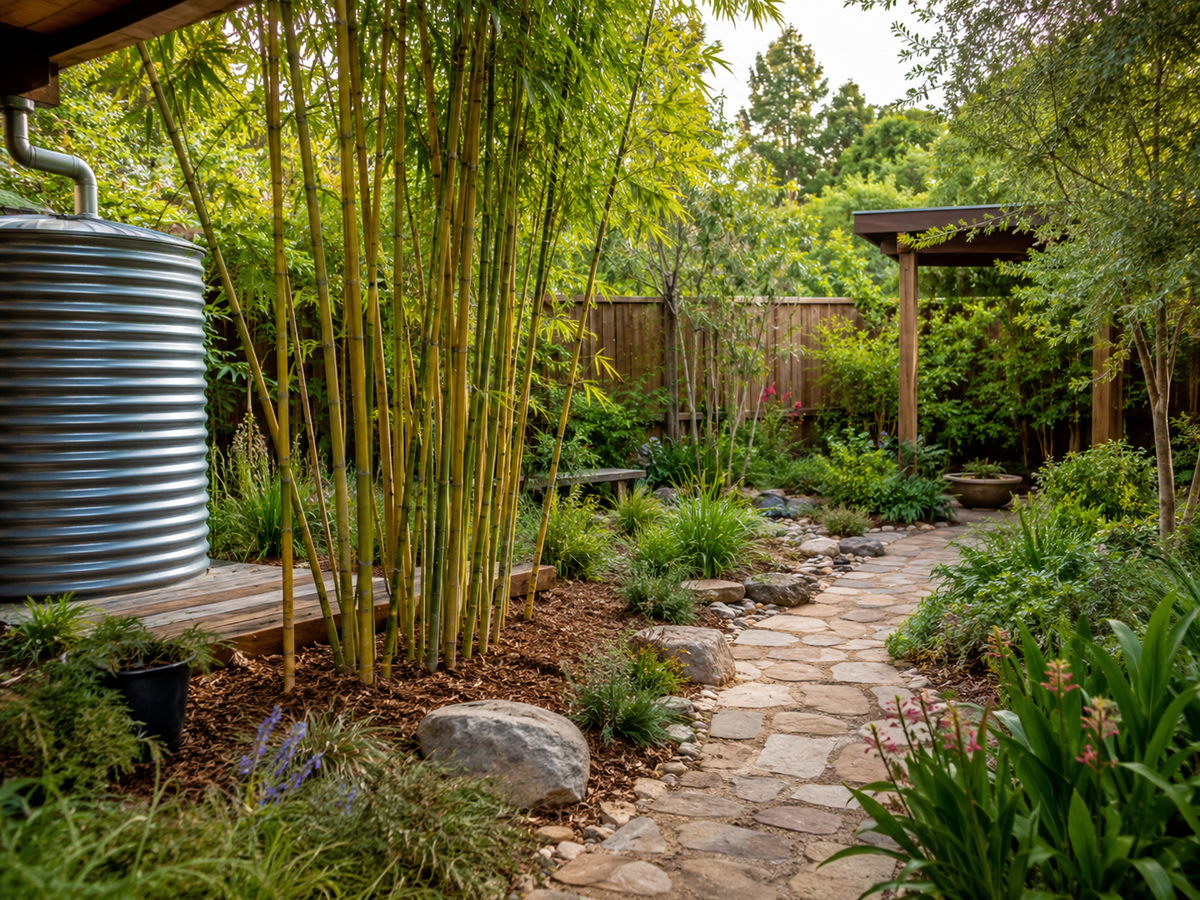
Sustainable landscaping is about creating outdoor spaces that are beautiful, practical, and kinder to the environment. For many home gardeners, that means choosing plants that grow efficiently, provide natural screening, need sensible maintenance, and support a healthier garden ecosystem. Bamboo can be an excellent fit, especially when you choose well-behaved clumping varieties suited to your space.
But if you are growing bamboo in containers, there is one detail that matters more than many gardeners realize: the potting mix. Container-grown bamboo cannot send its roots far into the surrounding soil to search for moisture and nutrients. It depends entirely on the growing medium inside the pot. The right bamboo soil mix helps roots breathe, drains excess water, holds steady moisture, and provides the nutrients needed for strong, leafy growth.
In other words, sustainable bamboo landscaping starts below the surface.

Why Bamboo Belongs in a Sustainable Garden
Bamboo is often praised as an eco-friendly plant because it grows quickly, creates dense greenery, and can provide natural privacy without the need for hard fencing or synthetic screening materials. In the home garden, bamboo can soften boundaries, reduce heat around outdoor areas, and create a calming green backdrop.
Clumping bamboo varieties are especially useful for residential landscaping because they grow in a contained clump rather than spreading aggressively through underground runners. This makes them easier to manage and better suited to suburban gardens, courtyards, pool areas, and large pots.
Bamboo can also help gardeners make better use of vertical space. Instead of planting wide hedges that take up valuable garden beds, upright bamboo can create height and privacy in a narrow footprint. That is a practical win for smaller properties and urban homes.
The Potting Mix Connection: Healthy Roots, Healthier Plants
A sustainable garden is not just about which plants you choose. It is also about helping those plants thrive with fewer problems and less waste. When bamboo is grown in the right potting mix, it is more resilient, easier to water correctly, and less likely to need replacing.
Poor soil leads to stressed plants. Stressed bamboo may develop yellowing leaves, browning tips, weak canes, or slow growth. Gardeners may respond by overwatering, overfeeding, or replacing the plant altogether. A better potting mix reduces that cycle by giving bamboo the root environment it needs from the beginning.
For container-grown bamboo, the ideal mix should balance four key qualities: drainage, moisture retention, aeration, and nutrients.
Drainage: Let Excess Water Escape
Bamboo likes moisture, but it does not like sitting in stagnant, soggy soil. Good drainage allows extra water to move through the pot after watering or rain. This helps prevent root rot and keeps the root zone healthier.
Choose a premium potting mix designed for outdoor containers or large feature plants. The pot itself should have generous drainage holes, and water should flow freely from the base after a deep watering.
To improve drainage, gardeners can use ingredients such as fine pine bark, perlite, coarse sand, or small gravel. These materials create structure in the mix and stop it from becoming dense and muddy.

Moisture Retention: Keep Bamboo Consistently Hydrated
Sustainable watering is about giving plants what they need without wasting water. Bamboo can be thirsty, especially in warm weather, so the potting mix should hold enough moisture to support the plant between watering.
Organic materials such as composted bark, coco coir, and quality compost can help the mix retain moisture without becoming waterlogged. Adding mulch to the top of the pot is also very helpful. Mulch slows evaporation, protects the roots from heat, and gives the container a neat finished look.
A good routine is to water deeply, then allow the top few centimeters of mix to begin drying before watering again. In hot or windy weather, potted bamboo may need more frequent attention than bamboo planted in the ground.
Aeration: Give Bamboo Roots Room to Breathe
Healthy roots need oxygen. When potting mix becomes compacted, water and air cannot move through it properly. This can leave bamboo struggling even if you are watering and fertilizing regularly.
Aeration comes from using a light, open, well-structured potting blend. Chunky organic matter, bark fines, and perlite help create small air pockets around the roots. These air spaces encourage stronger root growth and help the plant absorb water and nutrients more effectively.
Avoid pressing the mix down too firmly when planting. Settle it gently around the root ball, water it in, and top up if needed.

Nutrients: Feed for Strong, Sustainable Growth
Bamboo grows vigorously when conditions are right, so it needs a steady nutrient supply. A premium potting mix may contain some fertilizer, but container-grown bamboo will still benefit from seasonal feeding.
Use a balanced slow-release fertilizer in spring and summer, following the label instructions. Organic options such as compost, worm castings, or seaweed-based tonics can also support healthy growth. The goal is steady feeding, not excessive feeding.
Too much fertilizer can burn roots or encourage weak growth, while too little can leave bamboo pale and sparse. A consistent, moderate approach is best.
Common Soil Mistakes to Avoid
One common mistake is filling bamboo pots with garden soil. In containers, garden soil often becomes heavy, compacted, and poorly drained. This can suffocate roots and create waterlogging problems.
Another mistake is using the cheapest potting mix available. Low-quality mixes may dry out too quickly, repel water, or collapse over time. For a long-term feature plant like bamboo, investing in a quality mix usually saves effort and money later.
Overwatering is also a frequent issue. If the potting mix stays constantly wet, roots can suffer. Make sure the container drains freely and never allow the pot to sit in a saucer of water for long periods.
Underwatering is the opposite problem. Bamboo in pots can dry out quickly, especially during hot summers. Watch for curling leaves or dry, pulling soil around the edge of the pot.

Practical Sustainability Tips for Bamboo Containers
To make bamboo even more sustainable in your garden, choose large durable pots that will last for many years. Use mulch to reduce watering needs, collect rainwater where possible, and refresh the top layer of potting mix annually instead of replacing everything at once.
Choose clumping bamboo varieties that suit your space and climate. A well-matched plant needs less intervention and is easier to maintain naturally.
Sustainable Bamboo Starts with Smart Soil
Bamboo can be a beautiful, practical, and eco-friendly choice for sustainable landscaping. It offers fast greenery, natural screening, shade, and a peaceful garden atmosphere without taking up too much space.
For container-grown bamboo, success begins with the right potting mix. Focus on excellent drainage, reliable moisture retention, good aeration, and steady nutrients. Avoid heavy garden soil, poor-quality mixes, waterlogging, and inconsistent watering. With the right foundation, bamboo can become a long-lasting, low-waste feature in a greener, healthier home garden.