Spotlight on the Bangalow Palm: The Perfect Bamboo Companion
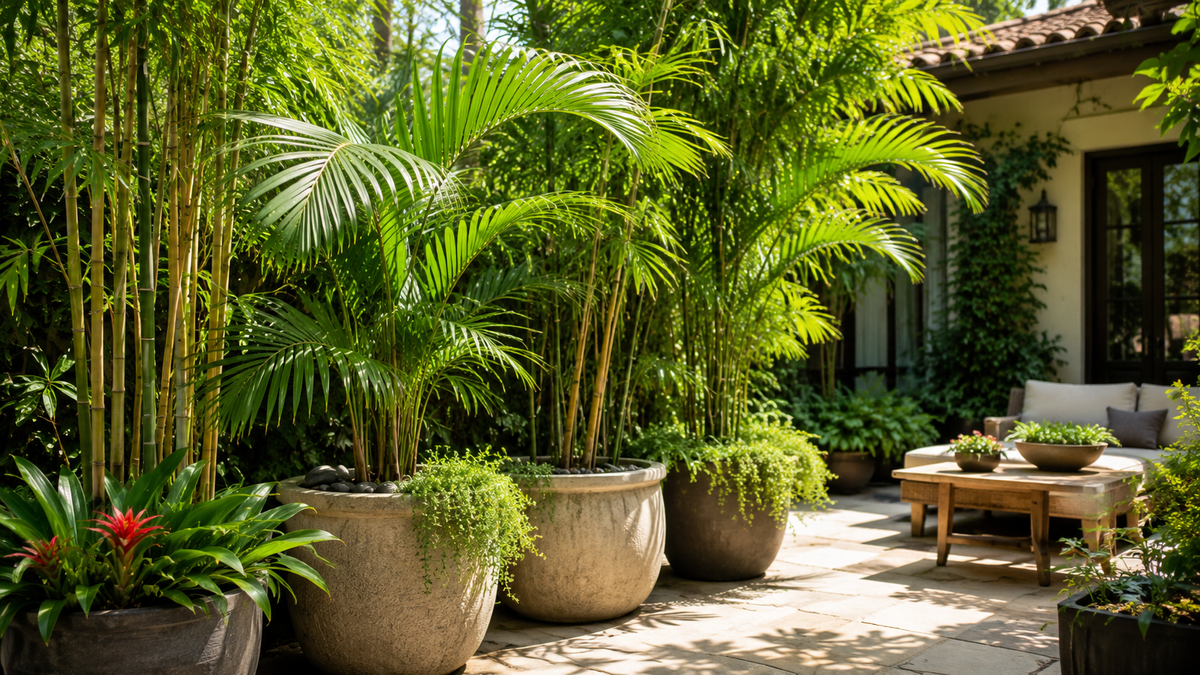
Bamboo is one of the best plants for creating privacy, movement, and year-round greenery, especially in containers. But if you want to soften its upright canes and create a more layered, tropical look, the Bangalow Palm is a wonderful companion. With its elegant feather-like fronds, slim trunk, and lush canopy, the Bangalow Palm brings height and softness without overwhelming the garden.
Before pairing any palm with bamboo, though, it is worth starting with the foundation: the potting mix. Container-grown bamboo relies completely on the growing medium you provide. Unlike bamboo planted in the ground, potted bamboo cannot send roots far and wide in search of water, nutrients, or better drainage. The right mix keeps the roots moist but not soggy, supports strong cane growth, and helps prevent stress during hot, windy, or dry spells.
This matters even more when you are designing a mixed container garden with bamboo and palms. Both plants enjoy consistent moisture and good drainage, but neither wants to sit in heavy, airless soil. Get the soil right, and your bamboo and Bangalow Palm combination can look lush, healthy, and beautifully balanced.
Why Bangalow Palms Work So Well with Bamboo
The Bangalow Palm, also known as Archontophoenix cunninghamiana, is loved for its graceful, tropical appearance. It has a single upright trunk and long green fronds that arch gently, creating a softer outline than the vertical stems of bamboo. The Royal Horticultural Society describes it as a tree- like evergreen plant with pinnate leaves that can reach several meters long, making it a strong architectural plant for sheltered gardens.
Bamboo and Bangalow Palms complement each other because they offer different shapes. Bamboo gives density, screening, and texture. Bangalow Palms add canopy, movement, and a relaxed resort-style feel. Together, they can make a small patio, side path, or courtyard feel greener and more private without needing a complicated planting plan.
 Best Garden Uses for Bangalow Palm and Bamboo
This pairing works especially well where you want height without heaviness. Use bamboo along a fence or boundary for privacy, then place Bangalow Palms slightly forward to create a layered effect. The palm fronds break up the wall-like look of a bamboo screen and add movement above eye level.
In larger containers, Bangalow Palms can become striking focal points. Bamboo, meanwhile, can be used as the background plant, especially compact clumping varieties. In narrow gardens, try placing bamboo in a row of sturdy troughs and using a Bangalow Palm at the corner to create a natural “end point” for the design.
For patios and poolside spaces, this combination creates an instant tropical mood. Just remember that Bangalow Palms prefer a sheltered position, and young palms may appreciate protection from harsh sun, drying wind, or frost.
The Right Potting Mix for Bamboo Containers
A good container mix for bamboo should be rich, open, and moisture-retentive. Bamboo likes regular water, but it does not like being stuck in wet, compacted soil. A practical mix includes quality potting compost, fine bark, and a drainage material such as pumice, grit, or perlite.
For most home gardeners, a reliable blend is:
50% premium potting mix or loam-based compost
25% fine bark or composted organic matter
25% pumice, perlite, or horticultural grit
This gives bamboo roots the balance they need: enough organic matter to hold moisture, enough structure to prevent compaction, and enough drainage to reduce the risk of root problems.
Bangalow Palms also appreciate well-drained soil with organic matter. The RHS lists Bangalow Palm as suitable for loam, sand, or chalk soils, with well-drained moisture conditions and a sheltered position. That makes it a natural partner for bamboo when you are using a high-quality, free-draining container mix.
 Expert Tips for Planting Them Together
Give each plant enough room. Bamboo can be vigorous in containers, and Bangalow Palms need space for their roots and crown. In most cases, it is better to plant them in separate containers and group the pots together rather than forcing them into one crowded planter.
Choose heavy, stable pots. Bamboo can catch wind like a sail, while palms add top growth and height. Wide, weighty containers help stop plants from rocking or tipping over.
Water deeply and consistently. In warm weather, both bamboo and Bangalow Palms can dry out quickly in pots. Water until moisture runs from the drainage holes, then let the top layer of mix begin to dry before watering again.
Mulch the surface. A layer of bark mulch helps reduce evaporation, protects surface roots, and gives containers a neat finished look.
Feed during the growing season. Use a balanced slow-release fertilizer in spring, then refresh lightly during active growth if needed. Avoid overfeeding, as too much nitrogen can lead to soft, weak growth.
Common Soil Mistakes to Avoid
The biggest mistake is using ordinary garden soil in containers. It often becomes dense and poorly aerated, especially after repeated watering. This can suffocate bamboo roots and cause water to sit around the base of the plant.
Another common problem is choosing a potting mix that dries out too fast. Lightweight mixes can become hydrophobic, meaning water runs off instead of soaking in. This is especially risky for bamboo, which can quickly show leaf curl or browning when thirsty.
Avoid containers without drainage holes. Decorative pots may look attractive, but standing water can damage both bamboo and palm roots. If you want to use a decorative outer pot, keep the plant in a nursery pot inside it and empty excess water regularly.
Do not ignore root congestion. Bamboo in particular can fill a pot over time. If watering becomes difficult or growth slows, it may be time to divide, repot, or refresh the mix.
 Design Ideas for a Lush Tropical Look
For a polished look, use containers in similar colours or materials. Dark charcoal pots create a modern feel, while terracotta or stone-look planters give a warmer garden style. Place taller bamboo at the back, Bangalow Palms in the middle layer, and smaller shade-loving plants near the front.
Good underplanting options include liriope, mondo grass, ferns, and low-growing tropical foliage plants. Keep the palette simple so the bamboo and palm remain the stars.
Lighting also makes a big difference. Up lighting bamboo canes and palm trunks at night creates beautiful shadows and turns a simple container grouping into a garden feature.
 A Natural Pairing with the Right Care
The Bangalow Palm is a beautiful companion for bamboo because it adds softness, height, and a tropical feel. Bamboo provides structure and privacy, while the palm brings graceful movement and a relaxed canopy effect.
For the healthiest results, focus on the basics: use a rich but free-draining potting mix, choose sturdy containers, water consistently, mulch the surface, and avoid heavy or soggy soil. With the right setup, bamboo and Bangalow Palms can work together to create a lush, practical, and eye-catching container garden that feels inviting all year round.