From Concrete to Jungle: Transforming a Paved Patio in 48 Hours
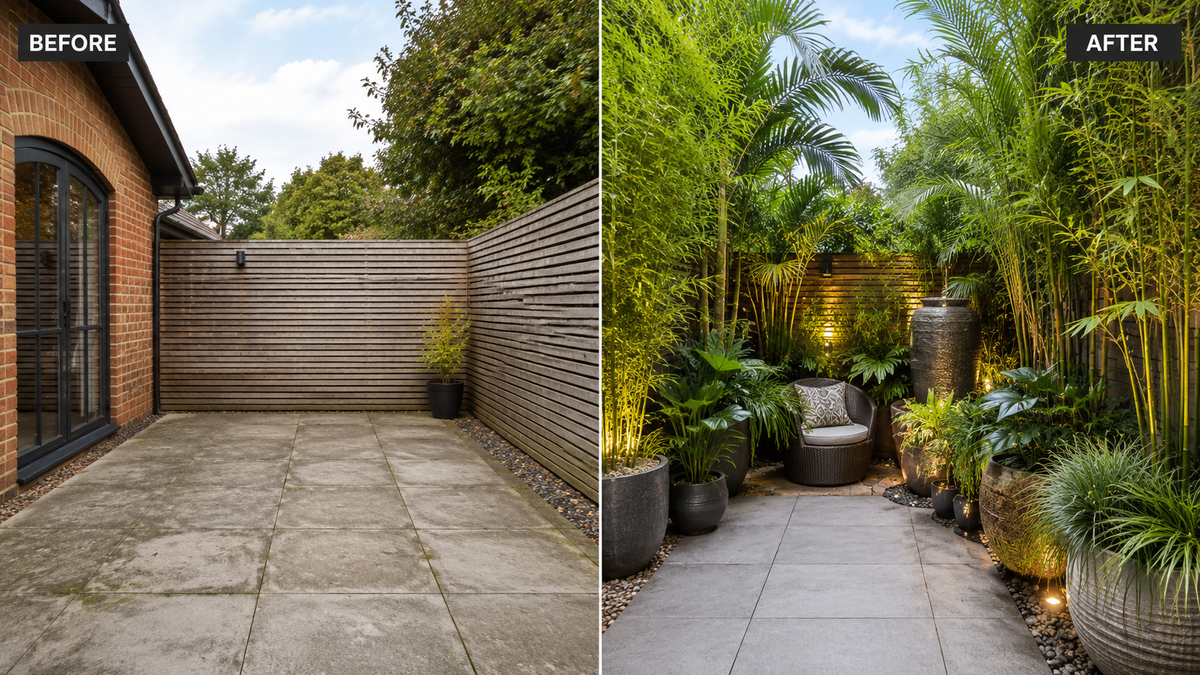
A paved patio can feel practical but lifeless: lots of hard surfaces, very little shade, and not much privacy. The good news is that you do not need to rip up concrete or wait years for a garden to mature. With the right containers, fast-impact plants, and smart soil preparation, you can turn a bare patio into a lush green retreat in a single weekend.
Container-grown bamboo is one of the best plants for this kind of quick transformation. It adds height, privacy, sound movement, and a leafy backdrop almost instantly. But there is one detail that makes or breaks the result: the potting mix. Bamboo in containers depends entirely on the mix you give it. If the soil is too heavy, roots can become waterlogged. If it dries too quickly, leaves may curl, brown, or look tired. A good mix holds moisture while draining freely, giving bamboo the strong root system it needs to thrive on a patio.
Whether your space is a small courtyard, balcony-style terrace, or wide concrete slab, the right plan can help you create that “mini jungle” feeling fast.
Hour 1–3: Assess the Patio and Plan the Layout
Before buying plants, spend a little time watching how the patio works. Where does the sun hit hardest? Which side needs privacy? Is there a windy corner? Are there doors, steps, drains, or seating areas that must stay clear?
Think in layers. Place tall plants like bamboo at the back or along fences. Use medium-height plants, such as palms or large leafy evergreens, in front. Add trailing plants, grasses, herbs, or shade-loving fillers around the edges.
For a jungle-style patio, avoid lining every pot in a straight row unless you need a formal screen. Cluster containers in groups of three or five, using different heights to make the space feel established.
 Hour 4–8: Choose Fast-Impact Container Plants
Bamboo is the star plant for quick vertical impact. Clumping bamboo varieties are usually best for home patios because they are easier to manage in containers. They form dense, upright growth without spreading aggressively through the ground.
Good companion plants include Bangalow Palm, Kentia Palm, ferns, canna lilies, ornamental grasses, cordylines, philodendrons, and liriope. Choose plants with different leaf shapes. Bamboo has narrow, fluttering leaves, while palms add arching fronds and broad-leaved plants bring tropical fullness.
For instant effect, buy fewer large plants rather than many tiny ones. A few well-placed mature containers can completely change the mood of a patio.
The Best Potting Mix for Patio Bamboo
Do not simply scoop garden soil into a pot. Garden soil can become dense and airless in containers, especially after repeated watering. Bamboo roots need oxygen as much as moisture.
A practical bamboo container mix includes:
- 50% high-quality potting compost or loam-based container mix
- 25% fine bark or composted organic matter
- 25% pumice, perlite, or horticultural grit
This blend holds enough moisture for thirsty bamboo while allowing excess water to drain away. Fine bark helps improve structure, while pumice or grit keeps the mix open and reduces compaction.
For paved patios, also consider the heat factor. Concrete and stone can reflect warmth and dry pots quickly. Mulch the top of each bamboo container with bark chips to reduce evaporation and keep roots cooler.
 Hour 9–16: Select the Right Containers
The right pot should be large, sturdy, and stable. Bamboo grows tall and can catch the wind, so avoid lightweight containers that may tip over. Choose heavy ceramic, fiberglass, timber, cornet steel, or thick resin planters.
For bamboo, bigger is usually better. A generous container gives roots room to develop, holds moisture longer, and helps prevent the plant from becoming stressed. Make sure every pot has drainage holes. If the pot is decorative but has no holes, use it only as an outer cover and keep the plant in a draining inner container.
Use pot feet or risers to lift containers slightly off the paving. This helps water escape and prevents staining or soggy conditions under the pot.
Hour 17–28: Plant for Privacy and Atmosphere
Start with the largest containers first. Place bamboo where it will screen views, soften walls, or frame a seating area. Once the tallest plants are positioned, add palms and medium-height plants to create depth.
Do not cram every container tightly against a wall. Leave space for airflow and maintenance. Bamboo especially benefits from being easy to access for watering, pruning, and occasional division.
Create a natural look by staggering heights. For example, place tall bamboo at the back, a palm to one side, a broad-leaved plant in front, and trailing foliage near the pot edges. This layered planting style makes a patio feel lush faster.
 Expert Tips for a 48-Hour Patio Makeover
Use a simple colour palette for pots. Three different pot styles can look charming, but too many colours may feel busy. Charcoal, stone, terracotta, and natural timber all work well with bamboo and tropical foliage.
Add mulch immediately after planting. It gives containers a finished look and helps retain moisture.
Water deeply after planting. New container plants need a full soak to settle the mix around the roots. Check moisture daily during the first week, especially in warm or windy weather.
Add a few finishing touches. Solar up lights, outdoor cushions, a small water bowl, or a natural fiber rug can make the patio feel like a complete garden room.
Common Soil Mistakes to Avoid
The most common mistake is using cheap, lightweight compost that dries out too quickly. Bamboo may look fine for a few days, then suddenly show leaf curl or browning. Choose a quality mix and add bark and pumice for better structure.
Another mistake is overwatering because the patio looks hot. Bamboo likes moisture, but soggy soil can damage roots. Always check the mix before watering. If the top inch feels dry, water deeply. If it feels wet, wait.
Avoid blocking drainage holes with flat plastic liners or compacted soil. Use crocks, mesh, or a small layer of coarse material only if needed to stop mix escaping, but do not create a sealed base.
Do not ignore long-term root growth. Bamboo in containers may need repotting, division, or root pruning every few years to stay healthy.
 Hour 29–48: Style, Water, and Enjoy
Once the planting is done, step back and refine the layout. Move smaller pots forward, rotate plants so their best side faces the seating area, and add low plants to hide bare container bases.
Water everything thoroughly, clean the paving, and add lighting if you plan to use the space at night. Up lighting bamboo canes creates beautiful shadows and instantly makes the garden feel more atmospheric.
 A Jungle Patio Is Closer Than You Think
Transforming a paved patio does not require excavation, expensive landscaping, or months of waiting. With container-grown bamboo, sturdy pots, layered companion plants, and the right potting mix, you can create a lush garden atmosphere in just 48 hours.
The key takeaways are simple: choose large stable containers, use a moisture-retentive but free-draining mix, mulch the surface, water consistently, and avoid heavy or soggy soil. Start with structure, add layers, and finish with small styling details. By the end of the weekend, your concrete patio can feel less like a hard surface and more like a private green escape.