Bamboo for Windy Sites: Which Varieties Handle Exposure Best
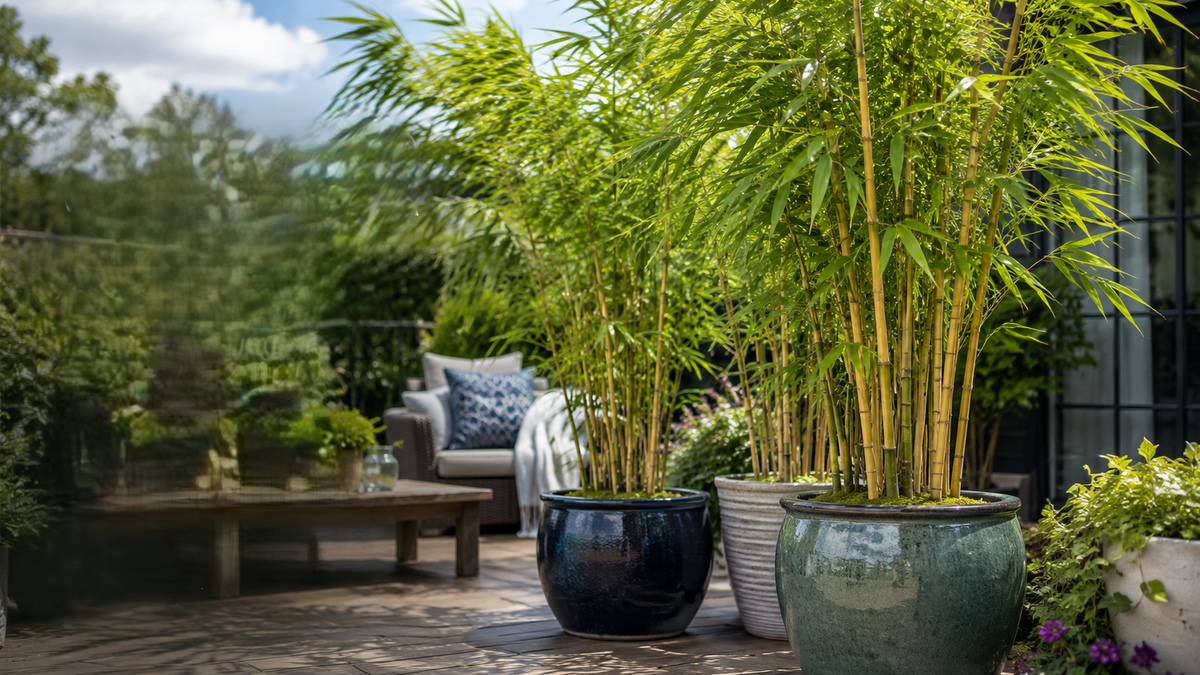
Bamboo brings instant structure, movement, and privacy to a garden, but windy sites can be challenging. Exposed patios, rooftop gardens, coastal yards, and open landscapes can all put stress on bamboo canes and leaves. The good news is that the right variety, planted in the right conditions, can handle breezy spots beautifully.
For container-grown bamboo, one factor matters just as much as the variety: the potting mix. Bamboo in pots depends entirely on the soil you provide. In windy locations, containers dry out faster, roots work harder to anchor the plant, and poor drainage can quickly lead to stress. A healthy, moisture-retentive but free-draining mix helps bamboo stay upright, hydrated, and resilient when the weather turns gusty.
Why Wind Exposure Matters for Bamboo
Wind affects bamboo in several ways. Strong gusts can bend canes, shred leaves, dry out foliage, and loosen plants in containers. Even hardy bamboo can struggle if it is placed in a lightweight pot, planted in compacted soil, or left to dry out too often.
Windy sites are especially tough for young bamboo. New plants have not yet developed the dense root systems that help them cope with movement and moisture loss. That is why choosing naturally strong, flexible varieties is important, along with giving them a stable container and excellent growing medium.
 Best Bamboo Types for Windy Sites
Not all bamboo performs equally well in exposed gardens. In general, clumping bamboo with sturdy canes and smaller leaves tends to handle wind better than delicate, large-leaved types. Running bamboo can also work well in some situations, but it must be managed carefully to prevent unwanted spreading.
Fargesia Bamboo
Fargesia varieties are among the best choices for home gardeners because they are clumping, non-invasive, and generally tough. Many have fine leaves and flexible canes that move gracefully in the wind rather than snapping.
Good options include Fargesia robusta, Fargesia rufa, and Fargesia nitida. These varieties are especially useful for screens, patios, and smaller gardens. They prefer consistent moisture and partial shade, so they may need extra watering in windy, sunny spots.
Phyllostachys Bamboo
Phyllostachys varieties are running bamboos, so they need root barriers or large, controlled containers. However, many are strong, upright, and highly effective for exposed sites when properly managed.
Phyllostachys aureosulcata, often called yellow groove bamboo, is known for toughness and cold tolerance. Phyllostachys bissetii is another strong performer, often valued for dense screening and resilience. These varieties can create excellent wind-tolerant privacy screens, but they should never be planted freely in the ground without containment.
Pseudosasa japonica
Also known as arrow bamboo, Pseudosasa japonica has larger leaves and a bold tropical look. It can tolerate some wind, especially in sheltered coastal or urban gardens, but its leaves may look tatty in very exposed positions. It works best where there is airflow but not constant harsh wind.
 The Best Potting Mix for Container-Grown Bamboo
A common mistake is planting bamboo in ordinary garden soil. In containers, garden soil often becomes heavy, compacted, and poorly drained. Bamboo likes moisture, but it does not like sitting in soggy soil.
A good bamboo potting mix should hold moisture while allowing excess water to drain away. Start with a high-quality peat-free multipurpose compost or loam-based potting mix. Add fine bark, composted organic matter, or coconut coir for moisture retention. Then mix in grit, perlite, or pumice to improve drainage and airflow.
A practical blend for container bamboo is:
- 50% quality potting compost or loam-based mix
- 25% fine bark or organic matter
- 25% grit, perlite, or pumice
This mix gives the roots enough moisture without becoming waterlogged. In windy sites, mulch the surface with bark chips or gravel to reduce evaporation and stop the top layer from drying out too quickly.
Choosing the Right Container
Wind-tolerant bamboo still needs a stable pot. Lightweight plastic pots can tip over when tall bamboo catches the wind, so choose a heavy ceramic, fiberglass, timber, or thick-walled container. The pot should be wide as well as deep, giving the root system room to spread and helping the plant stay balanced.
Always check that the container has generous drainage holes. If water cannot escape, the roots may rot, especially during rainy spells. Raising the pot slightly on feet can also improve drainage and airflow underneath.
 Expert Tips for Growing Bamboo in Windy Spots
Water consistently, especially during the first year. Wind pulls moisture from leaves and soil, so bamboo in exposed containers may need watering more often than bamboo in sheltered beds.
Feed lightly in spring with a balanced slow-release fertilizer or organic bamboo feed. Avoid overfeeding with high-nitrogen fertilizer, which can encourage soft, lush growth that is more vulnerable to wind damage.
Position containers near walls, fences, pergolas, or other plants where possible. Even partial shelter can reduce wind stress. If the site is very exposed, start with a smaller plant and let it establish gradually rather than installing tall bamboo that may rock in the pot.
Prune out weak, damaged, or crowded canes each year. This improves airflow and encourages stronger growth. For screening, keep the healthiest upright canes and remove thin stems that bend excessively.
Common Soil Mistakes to Avoid
The biggest mistake is using dense garden soil in pots. It may seem natural, but it can suffocate roots and hold too much water. Another common problem is using compost that dries out completely and becomes hard to re-wet. In windy locations, this can happen quickly.
Avoid pots without drainage holes, overly shallow containers, and mixes that are either too sandy or too soggy. Bamboo needs balance: moisture for steady growth, drainage for healthy roots, and enough structure to support tall canes.
Also avoid letting the container become root-bound for too long. When bamboo roots fill the pot completely, water may run around the edges instead of soaking into the root ball. Repot, divide, or refresh the soil every few years to keep the plant vigorous.
 Match the Bamboo to the Site
Bamboo can be a fantastic choice for windy gardens, but success depends on smart variety selection and good container care. Fargesia varieties are excellent for manageable clumping growth, while tough Phyllostachys types can work well in large controlled containers. For best results, use a free-draining, moisture-retentive potting mix, choose heavy stable containers, water consistently, and avoid compacted or soggy soil.
With the right setup, bamboo can turn an exposed patio, balcony, or garden boundary into a graceful, resilient green screen that moves beautifully with the breeze.