Front Yard Privacy Without a Fence: 7 Planting Ideas Using Screening Plants
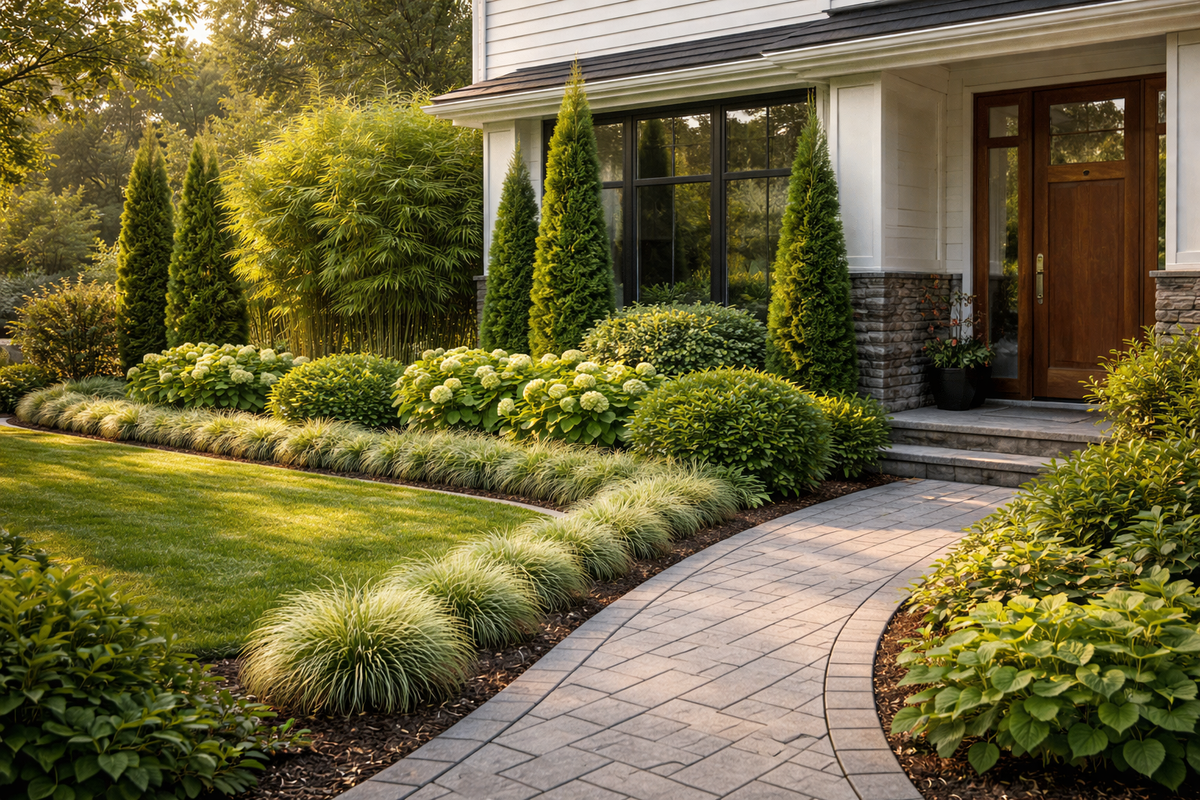
Not every front yard suits a fence. Some councils limit fence height, some facades look better open, and sometimes you just want privacy without turning your home into a fortress. The good news, you can create a calm, private front yard using plants—softening street views while keeping the space welcoming and attractive from the curb.
The key is choosing screening plants that look intentional and layered, not like a random hedge plonked along the boundary. Below are seven planting ideas that work in real front yards, from modern to cottage-style, with options for different heights and maintenance levels.
What “Privacy” Means in a Front Yard (And How to Do It Nicely)
Front yard privacy usually isn’t about blocking everything. It’s about reducing direct sightlines into windows, entry paths, and outdoor seating while keeping your home feeling open. The best approach is layering: low plants at the front, medium shrubs in the middle, and taller screening closer to the house or key views.
Think “soft filter,” not “solid wall.”
1) The Window Screen: Tall Plants Only Where You Need Them
If your main concern is people seeing straight into a lounge room or bedroom window, you don’t need to screen the entire yard. Plant a dense, upright screen in the zone that aligns with the window sightline.
Best plant styles: clumping bamboo, tall lilly pilly, viburnum, narrow evergreens.
Placement tip: set plants back slightly from the boundary so they look designed and have room to fill out.
2) The Entry Corridor: Greenery That Guides Visitors
Create privacy by shaping movement. A planted “corridor” gently directs guests to the door while discouraging wandering views into side windows.
How it works:
- Taller screening on one side (near living areas)
-
Lower, welcoming planting on the other side
This keeps the entrance clear while shielding the most private zones.

3) The Layered Hedge: Low + Medium + Tall for a Natural Look
A single tall hedge can feel heavy in a front yard. Instead, use a layered planting scheme that builds privacy gradually:
-
Low border (30–60 cm): lomandra, dwarf westringia, low grasses
-
Mid layer (80–120 cm): compact shrubs with structure
-
Tall layer (1.5–3 m): screening plants placed closer to the house or key views
This looks softer from the street and feels more “garden designed” than “fence replacement.”
4) The Corner Shield: Block the Most Exposed Angle
Many homes feel exposed at corners—where the street view hits side windows or a porch. A corner planting “shield” can fix that without enclosing everything.
What to do: plant a dense, upright cluster in the corner sightline, then taper down with mid and low plants so it blends naturally.
Best plant styles: clumping bamboo, tall shrubs, narrow conifers (where suitable), dense natives.
5) The Living Screen in Planters: Clean Lines for Small Front Yards
If your front yard is mostly paving (or you rent), planters can create privacy fast without major digging. A row of matching planters looks modern and tidy—especially if you repeat the same plant for a consistent line.
Best plant styles for planters: clumping bamboo, viburnum (with care), lilly pilly (compact varieties), tough grasses for lower screens.
Design tip: keep planter colours consistent (charcoal, concrete, off-white) to avoid visual clutter.
6) The “See-Through” Screen: Privacy Without Closing In
Sometimes you want privacy but still like the feeling of openness. Choose plants with a lighter texture—foliage that filters rather than blocks.
Great options: bamboo with fine leaves, ornamental grasses, lightly-pruned shrubs.
These screens reduce direct views while keeping airflow and a soft, airy look.

7) The Street Buffer Bed: A Green “Offset” From the Footpath
Instead of screening right on the boundary, create a buffer planting bed near the street edge. This adds a psychological sense of separation—people feel less like they’re right next to your windows.
How it works:
-
Dense planting near the footpath
-
A clear, simple lawn or pathway zone behind it
-
Taller plants closer to the house if needed
It looks lush, increases curb appeal, and naturally creates privacy.

Final Tips for Front Yard Screening That Looks Good
-
Don’t block the whole yard—screen the sightlines (windows, porch, seating).
-
Layer heights to keep it natural and welcoming.
-
Prune early to encourage bushiness (small trims beat one big chop).
-
Mulch and water consistently during establishment—most “thin screens” are just under-watered in year one.
-
Keep plants off paths and driveways so maintenance stays easy.
With the right planting plan, you can get privacy and curb appeal—no fence required.