Mulch for Bamboo: The Simple Trick for Faster Growth and Healthier Canes
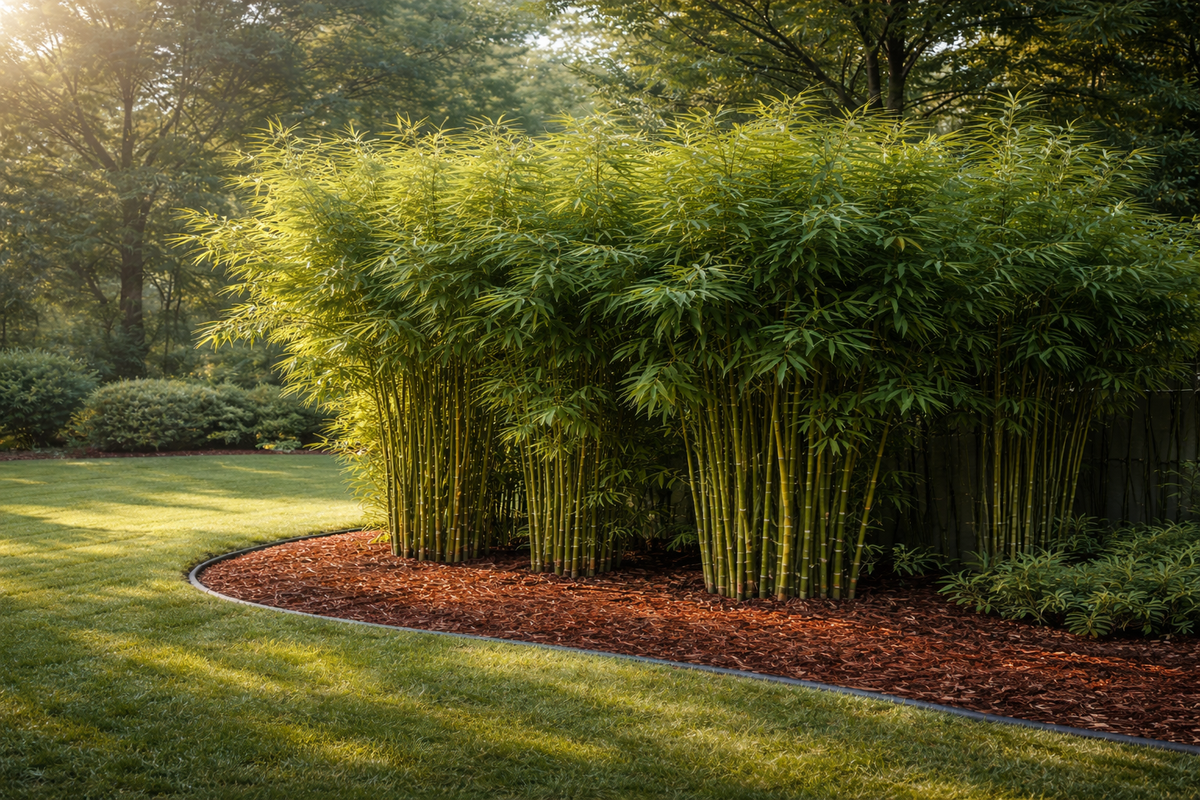
If your bamboo looks a little thin, grows slower than expected, or keeps getting crispy leaf tips in warm weather, there’s a simple fix that often outperforms fancy fertilizers: mulch. Bamboo loves stable moisture, cool roots, and rich organic matter—exactly what a good mulch layer provides. Done right, mulching can mean faster new shoots, healthier canes, and a fuller screen with less watering stress.
This guide explains why mulch matters so much for bamboo, which mulch works best, and the easy method that gets results.
Why Bamboo Responds So Well to Mulch
Bamboo is a grass, and many grasses evolved to thrive under layers of fallen leaves and organic debris. In the garden, bare soil around bamboo dries quickly, heats up in summer, and becomes compacted over time. That’s when you start seeing stress: curled leaves, pale color, slow growth, and thin canes.
Mulch helps bamboo in three powerful ways:
-
Moisture buffering: It slows evaporation so the root zone stays evenly moist longer.
-
Temperature control: It insulates roots from heat spikes and cold snaps.
-
Soil improvement: As organic mulch breaks down, it feeds soil life and builds better structure for roots.
If you want bamboo to look dense and lush, the goal is simple: keep the root zone comfortable and consistent.
The “Simple Trick”: Thick Mulch + Wide Ring (Not a Tiny Donut)
Here’s the big mistake most people make: they mulch a small circle right around the canes. Bamboo feeder roots spread wider than you think, and they benefit most from protection over a broader area.
The trick that works:
-
Apply mulch in a wide ring extending well beyond the clump.
-
Keep it thick enough to actually insulate and retain moisture.
A practical target is a mulch “zone” that covers the area where you water—because mulch and watering work best as a team.

Best Mulch Types for Bamboo (What to Use and What to Avoid)
Bamboo isn’t too picky, but the best mulches share one trait: they break down into nutrient-rich organic matter without becoming hydrophobic or messy.
Great mulch options:
-
Bark mulch (fine to medium): Long-lasting, tidy, great for moisture control.
-
Sugarcane mulch: Excellent for improving soil quickly; may need more frequent topping up.
-
Leaf litter / composted leaves: Mimics nature and feeds soil life beautifully.
-
Wood chips: Good for larger areas; use a medium chip size for stability.
What to avoid (or use carefully):
-
Fresh sawdust: Can compact and tie up nitrogen as it breaks down.
-
Very chunky mulch right against young shoots: Can make it harder for new shoots to push through in some cases.
-
Mulch piled against canes: This can trap moisture against the base and invite rot or pests.
If you want the neatest commercial look, bark mulch is often the cleanest option. If you want soil improvement fast, sugarcane or leaf-based mulch is a winner.
How to Mulch Bamboo Properly (Step-by-Step)
-
Water first
Mulch locks in moisture, so start with a deep watering. Moist soil under mulch is the goal. -
Clear weeds and debris
Weeds compete for water and nutrients. Remove them before mulching so you’re not “tucking them in.” -
Lay mulch 5–10 cm thick
Aim for enough depth that you can’t see soil through it. Thin mulch looks nice for a week and then does very little. -
Keep mulch off the canes
Leave a small gap (a few centimeters) around the base of canes to prevent constant damp contact. -
Extend mulch wider than you think
Go beyond the clump footprint. This is where the “faster growth” effect really shows up.

What Results to Expect (And When)
Mulch won’t magically add height overnight, but it creates the conditions bamboo needs to thrive. Here’s what you’ll usually notice:
-
Within 2–4 weeks: Less leaf curl in heat, richer green foliage, improved hydration.
-
Over the growing season: Stronger shoot production and thicker-looking coverage.
-
Over 6–12 months: Healthier cane development, better density, less stress in extreme weather.
If your bamboo is newly planted, mulch is even more important because young roots are shallow and dry out quickly.
Bonus Tips: Pair Mulch With Feeding for a Thicker Screen
Mulch alone helps, but mulch plus the right feeding schedule is the “cheat code” for dense bamboo.
-
Apply a slow-release nitrogen fertilizer in spring (and again mid-summer if growth is active).
-
Top up mulch as it breaks down—bamboo loves that steady, gentle soil enrichment.
- If you use drip irrigation, run it longer but less often to encourage deeper roots.

Final Takeaway
Mulch is the simplest, most effective upgrade you can give bamboo. A thick, wide mulch layer keeps roots cooler, moisture steadier, and soil healthier—leading to faster growth and stronger canes over time. If you want a lusher, denser bamboo screen with fewer watering headaches, start with mulch first, then support it with consistent deep watering and a light seasonal feed.