How to Get a Thicker Screen Faster: Spacing, Feeding, Mulch & Pruning
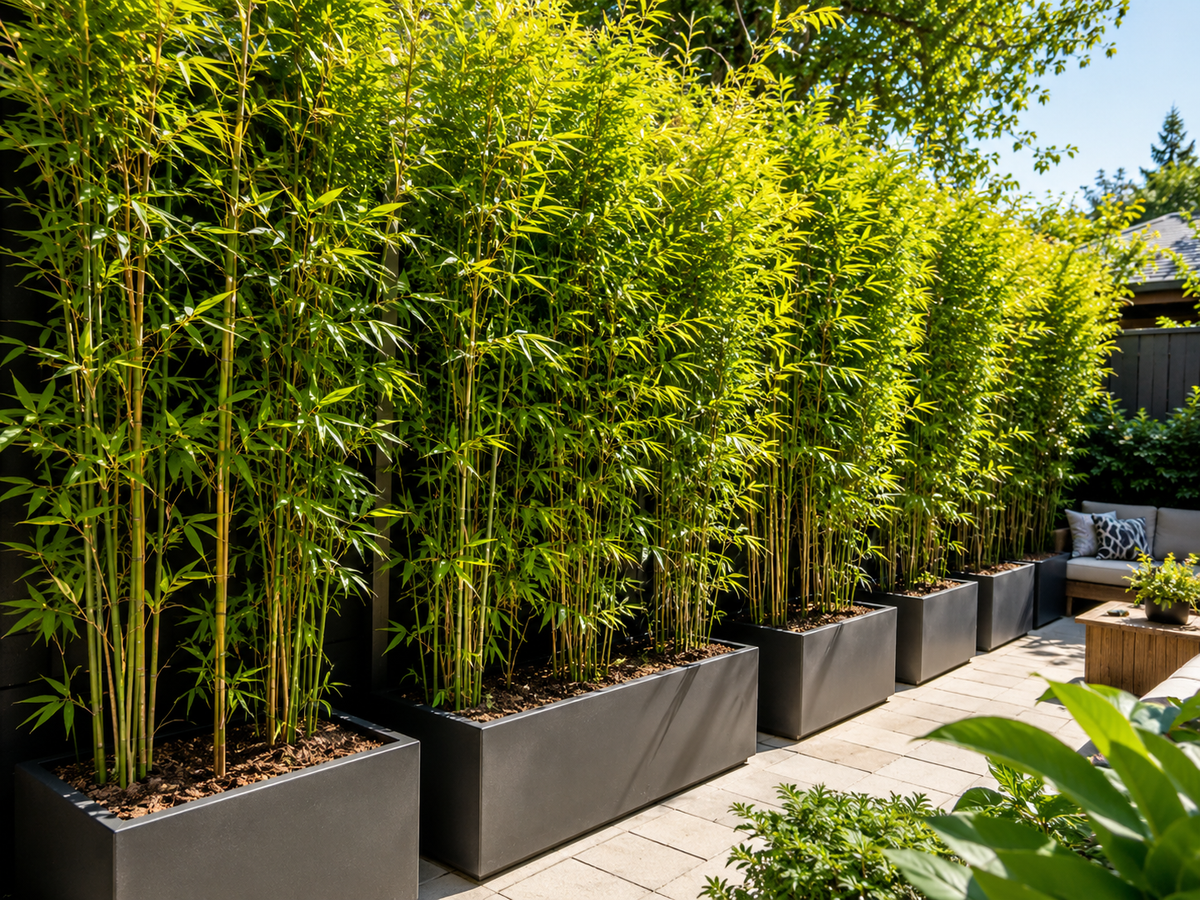
A thick bamboo screen can completely change a garden. It can hide a fence, soften a patio, block neighboring views, reduce the feeling of exposure, and bring that calming rustle only bamboo can offer. But if you have ever planted bamboo and wondered why it still looks sparse months later, you are not alone.
The secret to a fuller screen is not just buying more plants. It comes down to spacing, feeding, watering, mulching, pruning, and, for container-grown bamboo, the right potting mix. Bamboo in pots cannot search the surrounding soil for moisture and nutrients, so the growing medium matters enormously. A poor mix can lead to weak canes, dry leaves, slow growth, or soggy roots. A good mix gives bamboo the balance it needs: steady moisture, strong drainage, and enough air around the roots to support vigorous new shoots.
If you want a bamboo screen to fill in faster, start below the surface. Healthy roots make thicker top growth.
Start with the Right Bamboo for Screening
Before thinking about spacing or fertilizer, choose the right type of bamboo for your site. Clumping bamboo is usually the easiest option for home gardeners because it forms a tight, manageable base and is less likely to spread aggressively. It works well in containers, along patios, and beside fences.
Running bamboo can create a very dense screen, but it must be controlled with root barriers or kept in strong containers. If you want low-maintenance screening, especially near boundaries, clumping varieties are usually the safer choice.
Also consider height. A bamboo that naturally grows to 10 feet will not quickly create a 20-foot screen no matter how much you feed it. Match the variety to the height and density you want.

Spacing Bamboo for a Faster Screen
Spacing is one of the biggest factors in how quickly your screen looks full. Plant bamboo too far apart and you may wait years for the gaps to close. Plant it too tightly and the plants may compete for water, nutrients, and root space.
For a fast screen in the ground, many clumping bamboo varieties are planted around 3 to 5 feet apart, depending on mature size. For containers, place pots close enough that the foliage overlaps slightly when viewed from your seating area, but not so close that you cannot water or maintain them properly.
If you need instant privacy, use larger plants in bigger containers rather than crowding small plants together. A row of three mature bamboo pots will often look better and establish faster than six undersized plants squeezed into poor conditions.
Expert tip: stagger containers slightly instead of lining them up perfectly. A gentle zigzag creates visual depth and helps the screen look thicker from more angles.
Feeding Bamboo for Stronger Growth
Bamboo is a hungry plant during active growth. To encourage a thicker screen, feed in spring as new shoots begin to appear. A balanced slow-release fertilizer is a good choice for containers because it provides steady nutrition without sudden surges.
You can also top-dress with compost or well-rotted organic matter. This improves soil life and gently feeds the roots. Avoid overdoing high-nitrogen fertilizers, especially late in the season. Too much soft, leafy growth can become weak, floppy, or more vulnerable to weather stress.
For container bamboo, feeding is especially important because nutrients wash out with regular watering. A light but consistent feeding routine is better than one heavy application.
 Mulch: The Simple Trick for Fuller Bamboo
Mulch is one of the easiest ways to support faster bamboo growth. A 2-inch layer of bark mulch, leaf mold, or composted organic mulch helps conserve moisture, protect roots from temperature swings, and reduce competition from weeds.
Bamboo naturally benefits from leaf litter around its base, so do not be too quick to remove fallen bamboo leaves. They break down and return nutrients to the soil. In a tidy patio setting, you can use decorative bark mulch to achieve the same practical effect while keeping containers neat.
Keep mulch slightly away from the main canes so the base does not stay constantly wet. The goal is to protect the root zone, not smother the plant.
Pruning for a Thicker, Cleaner Screen
Pruning bamboo may seem counterintuitive when you want more growth, but smart pruning helps your screen look fuller and healthier. Remove weak, thin, damaged, or leaning canes at ground level. This allows the strongest canes to stand out and improves airflow.
For screening, you can also prune lower side branches if you want to show off the canes, or leave them in place if you want maximum privacy from top to bottom. If the screen is too tall, lightly trim the top growth, but avoid harsh cutting that leaves the plant looking flat or unnatural.
The best approach is selective pruning. Every year, remove the oldest or weakest canes and keep the strongest new growth. This encourages a fresh, dense, upright screen over time.

The Best Potting Mix for Container Bamboo
If your bamboo screen is in pots, the potting mix is crucial. Bamboo likes moisture, but it also needs oxygen around the roots. Heavy garden soil often becomes compacted in containers, while very light compost can dry out too quickly.
A reliable container bamboo mix is:
50% high-quality potting compost or loam-based container mix
25% fine bark or composted organic matter
25% pumice, perlite, or horticultural grit
This blend holds moisture, drains well, and keeps the root zone open. Fine bark improves structure, while pumice or grit prevents the mix from becoming dense and waterlogged.
Always use containers with drainage holes. Raise pots slightly on feet to allow water to escape freely, especially on paved patios.
Common Soil Mistakes to Avoid
The first mistake is using ordinary garden soil in containers. It may seem economical, but it can compact, drain poorly, and suffocate roots.
The second mistake is using a cheap potting mix that dries out too fast. Bamboo leaves may curl, brown at the tips, or drop if the roots repeatedly dry out.
The third mistake is letting pots sit in water. Bamboo likes consistent moisture, not stagnant conditions. If water cannot drain away, roots can decline quickly.
Finally, avoid ignoring root congestion. If a bamboo container becomes packed with roots, water may run around the edge instead of soaking into the root ball. Repot, divide, or refresh the mix every few years to keep growth strong.

Watering: The Missing Link in Fast Screening
Spacing, feeding, and pruning only work if bamboo receives enough water. Newly planted bamboo needs consistent moisture while roots establish. Container bamboo may need watering several times a week in warm weather, and even more often in windy or exposed spots.
Water deeply so moisture reaches the full root ball. Shallow watering encourages weak surface roots and can leave the center of the pot dry. Check moisture with your finger before watering again.
Build Density from the Roots Up
A thicker bamboo screen starts with healthy roots and smart maintenance. Choose the right variety, space plants carefully, feed during active growth, mulch the root zone, prune selectively, and water consistently.
For container-grown bamboo, do not underestimate the importance of potting mix. A free-draining, moisture-retentive blend helps bamboo grow stronger canes, healthier leaves, and faster coverage. With the right care, your bamboo screen can become fuller, greener, and more private much sooner than you might expect.