Common Bamboo Problems: Yellow Leaves, Curling, and Slow Growth (Fixes That Work)
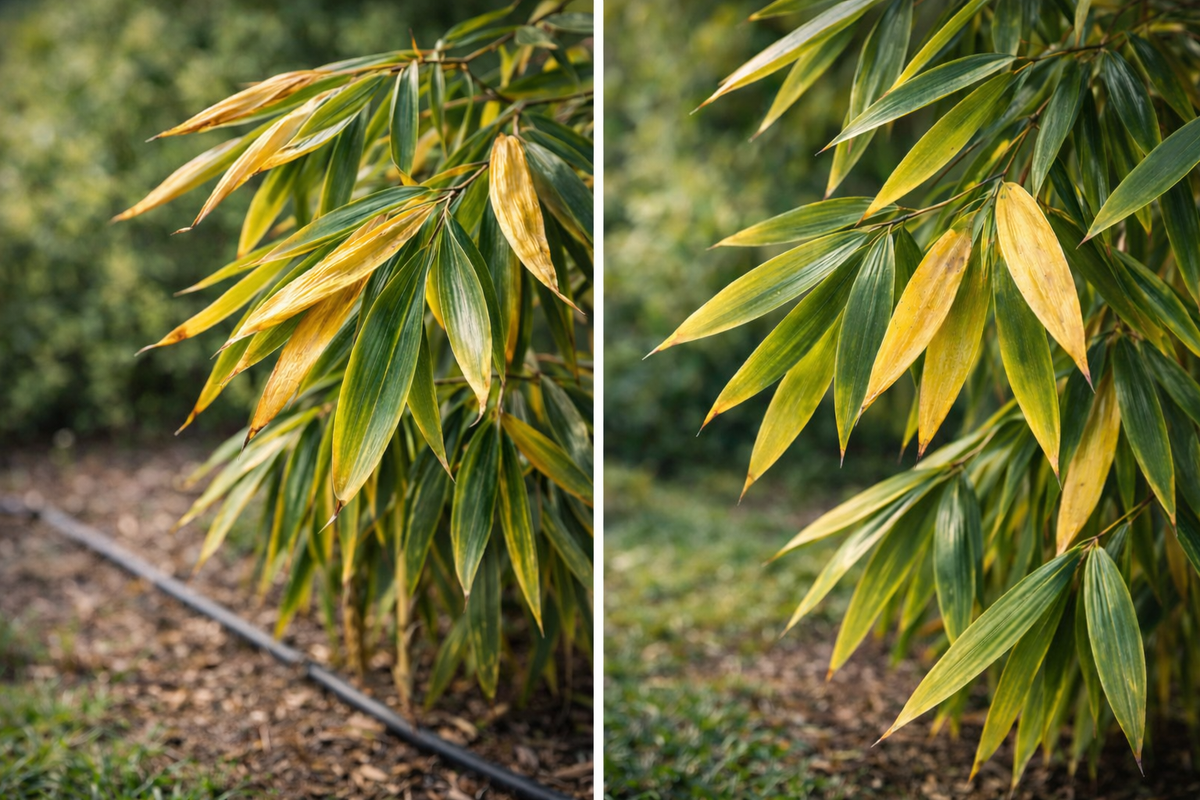
Bamboo is famous for fast growth and lush, green privacy screens—so when the leaves start yellowing, curling, or the plant seems “stuck,” it can feel alarming. The good news: most bamboo problems come down to a few fixable causes like watering swings, nutrient imbalance, wind/heat stress, or poor drainage. With a bit of observation and a simple care reset, bamboo usually bounces back.
This guide breaks down the three most common issues—yellow leaves, curling leaves, and slow growth—plus practical fixes you can actually use.
First, Don’t Panic: Some Leaf Drop Is Normal
Before troubleshooting, check the pattern. Bamboo regularly sheds older leaves, especially during seasonal changes or after being transplanted. If yellowing is mostly on older, lower leaves while new growth stays green, that can be normal. If the whole plant is yellowing, curling, or thinning, it’s time to adjust care.
A quick way to assess: look at new leaves. Healthy new leaves are a strong indicator your bamboo is fundamentally okay, even if older foliage looks rough.

Problem 1: Yellow Leaves (What’s Actually Causing It)
Yellow leaves can mean several different things, so the key is to pair the symptom with soil and site conditions.
Most common causes of yellowing:
1.) Overwatering or Poor Drainage
If soil stays wet for days, roots can suffocate and begin to decline. Yellowing may spread quickly and the plant can look generally tired.
Fix that works:
-
Check drainage: dig a small hole 15–20 cm deep and see if it holds water.
-
Reduce watering frequency and water deeply only when the top few centimeters of soil begin to dry.
-
Improve drainage with compost and, if needed, raise the planting area slightly.
2.) Underwatering or Inconsistent Watering
Bamboo hates extremes. If it dries out too hard between watering, leaves can yellow, crisp at the tips, and drop.
Fix that works:
-
Switch to deep, consistent watering rather than frequent shallow splashes.
-
Add mulch (5–8 cm) to stabilize moisture and keep roots cooler.
-
In hot weather, increase frequency—especially for bamboo in pots.
3.) Nutrient Deficiency (often nitrogen, sometimes iron/magnesium)
Pale yellow-green leaves and slow vigor can signal low nitrogen. Yellowing between leaf veins can hint at micronutrient issues.
Fix that works:
-
Use a slow-release, nitrogen-forward fertilizer in spring and mid-summer.
-
Add compost for steady nutrition.
-
If yellowing persists despite feeding, try a micronutrient supplement (or a fertilizer formulated for palms/bamboo).
4.) Natural Seasonal Shedding or Transplant Shock
New plantings often yellow a bit while establishing roots.
Fix that works:
-
Keep watering steady and avoid heavy fertilizing immediately after planting.
-
Focus on mulch + consistent moisture for the first couple of months.
Problem 2: Curling Leaves (The Bamboo “Stress Signal”)
Curling leaves are bamboo’s way of reducing water loss—think of it as a built-in drought response. It doesn’t always mean the plant is dying; it often means it’s conserving moisture.
Common reasons bamboo leaves curl:
Heat + dry wind
Even if the soil is moist, hot wind can pull moisture from leaves faster than roots can replace it.
Fix that works:
-
Water deeply early in the morning.
-
Mulch heavily to keep roots cool.
-
Consider a windbreak (shade cloth, fence screening, or companion shrubs).
Thirst (especially in containers)
Potted bamboo dries out much faster than in-ground bamboo.
Fix that works:
-
Water until it drains from the bottom, then water again when the top layer starts drying.
-
Use a larger pot and premium potting mix with moisture retention.
-
Avoid tiny pots—they overheat and dry out quickly.
Salt or fertilizer burn
If tips are brown and leaves curl after feeding, you may have overdone fertilizer or your water is salty.
Fix that works:
-
Flush the soil with deep watering (let lots of water run through).
-
Switch to slow-release fertilizer and reduce dose.
- If using bore/well water, consider occasional rainwater flushes if possible.

Problem 3: Slow Growth (How to Restart Bamboo Momentum)
When bamboo grows slowly, it’s usually missing one of its key growth drivers: sunlight, water consistency, or nitrogen—or it’s spending energy on roots rather than canes.
Fixes that work (in order of impact):
1.) Improve Light Exposure
Many bamboos tolerate partial shade, but dense, fast screening usually needs brighter light.
Try: pruning nearby plants that block light or moving container bamboo to a sunnier position.
2.) Reset Watering to “deep and steady”
Deep watering encourages deeper roots and stronger shoots.
Try: one or two deep soakings per week (more in heat), instead of daily sprinkles.
3.) Feed at the Right Time
Bamboo responds best to feeding during active growth (spring through mid-summer).
Try: slow-release nitrogen fertilizer + compost top-dress.
4.) Check crowding and soil quality
Overcrowded clumps or depleted soil can stall growth.
Try:
-
Remove a few weak, thin canes at ground level.
-
Top-dress with compost and refresh mulch.
5.) Be Realistic about the First Year
New bamboo often prioritizes root establishment before it “takes off.”
Try: patience + consistent care—year two is often the real glow-up.

The Simple Bamboo Recovery Plan
If your bamboo is yellowing, curling, or growing slowly, focus on the basics: fix drainage, water deeply and consistently, mulch generously, and feed with slow-release nitrogen during the growing season. Most bamboo doesn’t need complicated treatments—just stable conditions. Give it two to four weeks after adjustments, and you’ll usually see healthier new leaves first, followed by stronger growth.