Bamboo Gracilis Care Guide: Watering, Feeding, and Growth Expectations
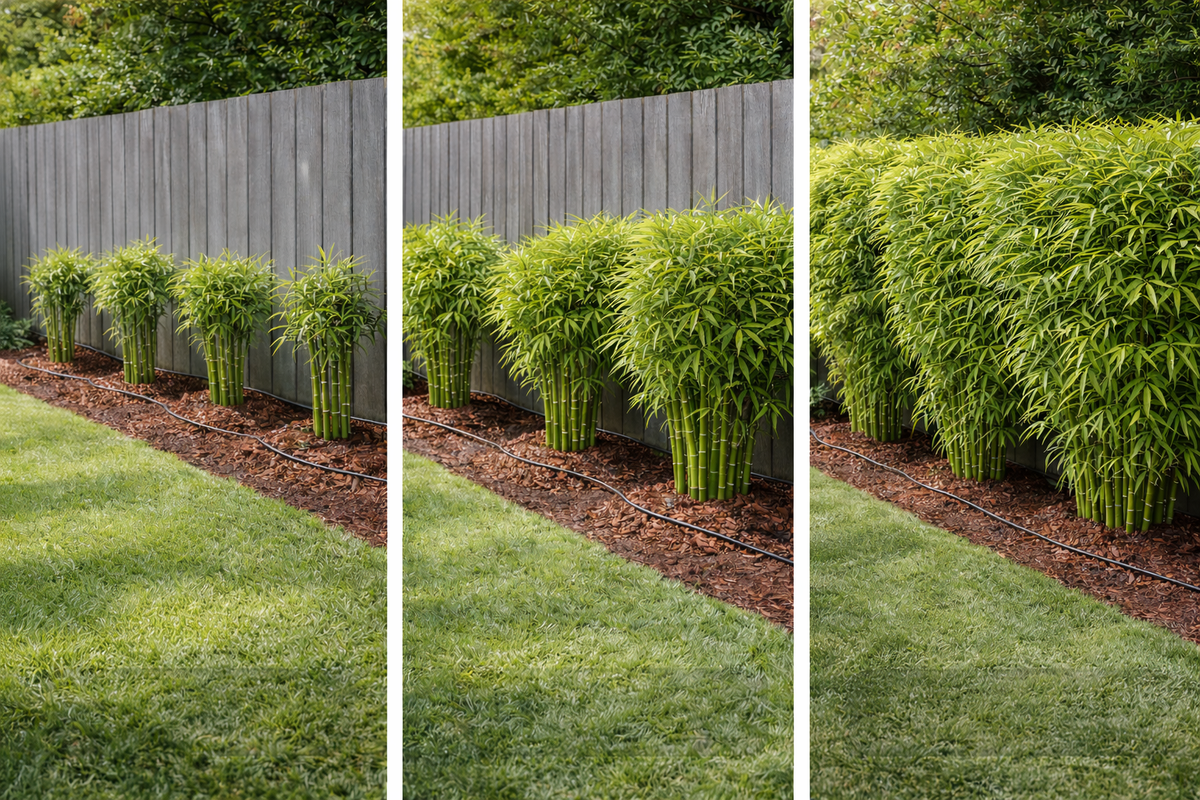
Bamboo Gracilis (often sold as Slender Weaver bamboo) is popular for one simple reason: it gives you a lush, “green wall” look without the super-thick canes and messy feel some bamboos can have. It’s commonly used for privacy hedges, screening out neighbors, softening fences, and bringing a tropical vibe to patios and pool areas. If you get the basics right—especially watering and feeding—Gracilis is generally easygoing and fast enough to feel rewarding without being chaotic.
Below is a practical care guide focused on the three things that most affect how your bamboo looks and grows: water, nutrients, and realistic growth expectations.
Understanding Bamboo Gracilis at a Glance
Before you plan a routine, it helps to know what you’re working with. Bamboo Gracilis is a clumping bamboo, meaning it expands outward in a tight, gradual cluster rather than sending long underground runners everywhere. That makes it a favorite for home gardens where you want control and a tidy footprint. It still grows quickly compared to shrubs, but it’s much more predictable than running types.
Where it thrives most: warm to mild climates, bright light, and soil that drains well while staying evenly moist.
Watering: The #1 Rule Is “Deep and Consistent”
Watering mistakes are the most common reason Gracilis looks thin, crispy, or uneven. The goal is deep watering that reaches the full root zone, done often enough that the soil doesn’t swing between “bone dry” and “swamp.”
For newly planted bamboo (first 8–12 weeks):
-
Water deeply 2–4 times per week, depending on heat and soil type.
-
Sandy soil needs more frequent water; clay holds moisture longer but must not stay soggy.
-
Keep the area evenly moist, not muddy.
Once established (after ~3 months):
-
Deep water about 1–2 times per week in warm weather.
-
During extreme heat, bump frequency up.
-
In cooler seasons, reduce watering, but don’t let clumps dry out completely.
How to tell if you’re watering correctly:
-
Leaves curling inward or looking “rolled” often signal drought stress.
-
Browning leaf tips can happen from dryness, wind, salt, or fertilizer burn—check soil moisture first.
-
If the soil smells sour or stays wet for days, you may be overwatering or dealing with poor drainage.
Pro tip: Add a 5–8 cm layer of mulch (bark, leaves, sugarcane, compost) around the base, keeping it a few centimeters away from the canes. Mulch stabilizes moisture and keeps roots cooler—both big wins for bamboo.

Feeding: What to Use and When
Bamboo loves nitrogen. Nitrogen drives leafy growth, richer green color, and thicker screening. But too much fertilizer (especially fast-release) can cause weak, floppy growth or burnt tips. Steady feeding is better than big blasts.
Best fertilizer options:
-
Slow-release lawn fertilizer (higher nitrogen) works well for bamboo.
-
Palm fertilizer can also be a good fit because it often includes magnesium and micronutrients.
-
Compost + aged manure are excellent for soil health and long-term vigor.
Simple feeding schedule:
-
Early spring: Apply slow-release fertilizer + compost top-dress.
-
Mid-summer: Light re-feed if growth is active and leaves look slightly pale.
-
Early fall (optional): A gentle compost top-up; avoid heavy nitrogen late in the season in cooler climates.
Signs your bamboo is hungry:
-
New leaves look lighter green than usual.
-
Growth slows during a time it should be vigorous.
-
Clump looks “see-through” rather than dense.
Avoid this mistake: dumping fertilizer right at the cane base. Spread it in a ring 30–60 cm out from the clump where feeder roots actually are, then water it deeply.

Growth Expectations: How Fast, How Tall, and What ‘Filling In’ Really Means
Bamboo growth can feel mysterious because it doesn’t grow like a shrub. New shoots emerge from the ground and reach their full height relatively quickly, then leaf out and harden off.
What to expect in year 1:
-
Roots and rhizomes focus on establishing.
-
You’ll see new shoots, but the hedge may still look airy.
Year 2–3:
-
The clump starts producing more (and taller) shoots.
-
This is when your privacy screen usually begins to look genuinely thick.
Typical height and density:
-
In good conditions, Gracilis can form a tall screen over time, but your local climate, sun, water, and feeding will determine the final result.
-
More sun usually means stronger growth and denser foliage—provided water is consistent.
Pruning for a thicker hedge:
-
Remove weak or crowded canes at ground level to improve airflow.
- For a hedge look, you can lightly trim side foliage, but avoid chopping cane tops unless you’re intentionally limiting height.

Final Tips for a Healthier, Denser Bamboo Screen
If you want Gracilis to look its best, keep your routine simple: deep water, mulch, steady feeding, and patience through the first year. Most “problem” bamboo isn’t actually failing—it’s just either thirsty, underfed, or still settling in. Give it consistency, and it will reward you with that clean, elegant privacy wall look that makes Bamboo Gracilis such a garden favorite.