Bangalow Palm Care Guide: Fast Growth, Wind Tolerance & Best Planting Spots
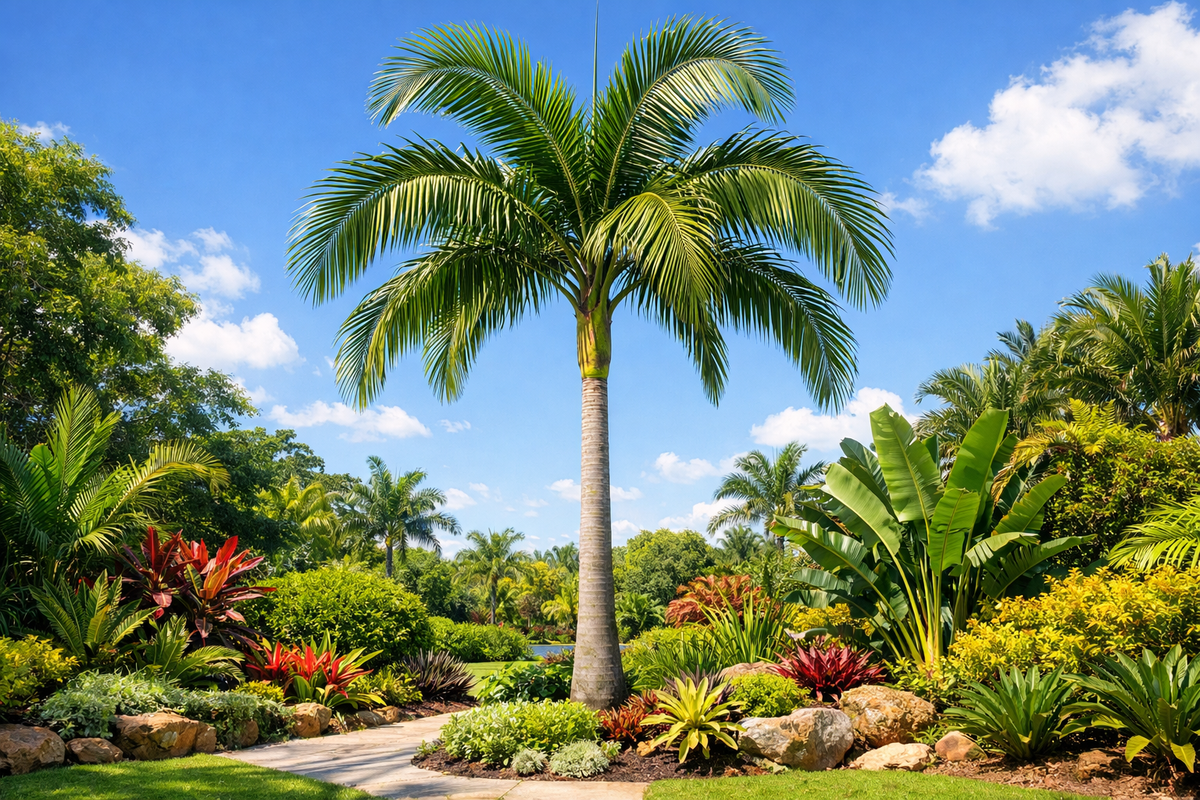
The Bangalow Palm (Archontophoenix cunninghamiana) is one of the most elegant palms for subtropical and warm temperate gardens. Native to the rainforests of eastern Australia, it is loved for its smooth grey trunk, lush feathered fronds, and fast-growing habit. If you want a palm that creates an instant tropical look without the bulky form of some larger species, the Bangalow Palm is a standout choice.
Why Gardeners Love Bangalow Palms
One of the biggest reasons people choose Bangalow Palms is their graceful appearance. The crown is full and soft-looking, with arching green fronds that move beautifully in the breeze. They work well as feature trees, poolside accents, or planted in groups for a layered tropical effect.
Another major advantage is speed. Compared with many ornamental palms, Bangalow Palms grow quickly when planted in suitable conditions. In warm climates with regular water and rich soil, they can put on noticeable height each year. This makes them ideal for homeowners who want a mature-looking landscape sooner rather than later.
How Fast Do Bangalow Palms Grow?
Bangalow Palms are often considered fast-growing, especially in humid and frost-free regions. While exact growth rates vary depending on soil quality, water, and climate, they generally establish quickly and develop into tall, slender palms over time.
Young plants tend to grow fastest when they have:
-
Consistent moisture
-
Good drainage
-
Protection from harsh frost
-
Partial sun to filtered light when young
-
Regular feeding during the growing season
Once established, they can tolerate more sun and become stronger landscape specimens. Their fast growth is one of their best selling points, but it also means they need a planting location with enough vertical space.
Are Bangalow Palms Wind Tolerant?
Bangalow Palms have moderate wind tolerance. They handle normal coastal or garden breezes quite well, and their flexible fronds usually cope better than stiff-leaved plants. However, they are not the best palm for extremely exposed, high-wind sites.
Strong, dry winds can shred the leaves and make the palm look ragged. In storm-prone areas, planting them in a somewhat sheltered position is the smartest move. A spot near a fence, wall, or among other trees can help reduce leaf damage while still letting the palm show off its tropical form.
If your garden gets seasonal winds, Bangalow Palms can still perform well, but they’ll look best in a protected microclimate rather than on a fully exposed ridge or open corner.

Best Planting Spots for Bangalow Palms
Choosing the right location makes all the difference. Bangalow Palms prefer rich, well-drained soil and regular moisture. They thrive in positions that mimic their natural rainforest origins.
The best planting spots include:
-
Along driveways or pathways as vertical accents
-
In tropical-style garden beds with layered foliage plants
-
Near pools or patios for a resort look
-
In sheltered side yards with filtered sun
-
As a grouped screen planting for height and texture
They are especially attractive when planted in clusters of two or three, where their slim trunks create a more natural rainforest feel.
Avoid planting too close to roofs, powerlines, or very narrow spaces. These palms grow tall, and although their trunks stay relatively narrow, their crown still needs room to spread.

Essential Care Tips
Water young palms regularly until established. Mulch around the base to keep roots cool and retain moisture, but keep mulch away from direct contact with the trunk. Feed with a quality palm fertilizer during active growth to encourage healthy green fronds.
Remove only dead or fully brown fronds, since over-pruning can weaken the palm and spoil its shape. Also watch for cold damage in cooler regions, as Bangalow Palms prefer mild winters.

Final Thoughts
If you want a palm that grows quickly, looks refined, and brings a soft tropical character to the garden, the Bangalow Palm is a fantastic option. Its moderate wind tolerance and fast growth make it highly versatile, especially in sheltered gardens with good moisture and rich soil. Plant it in the right spot, and it will reward you with years of elegant vertical beauty.