Kentia Palm Care Guide: Indoors vs Outdoors, Watering, Light & Growth Tips
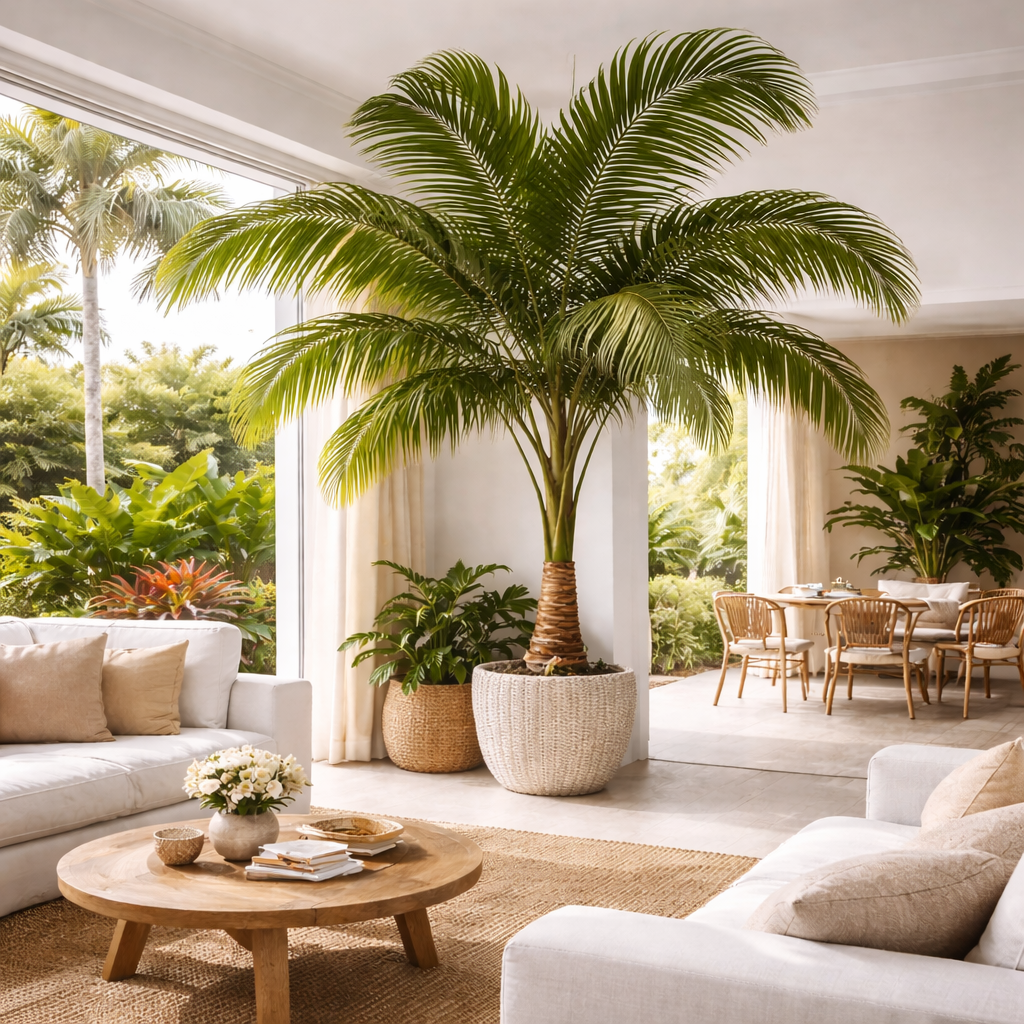
The Kentia Palm (Howea forsteriana) is one of the most popular palms for both homes and gardens, and it is easy to see why. With its elegant arching fronds, refined shape, and ability to adapt to indoor conditions, this palm brings a calm, tropical feel without looking wild or high-maintenance. Whether you want to grow one inside your living room or outside in a sheltered landscape, understanding its basic care needs will help it thrive for years.
Why the Kentia Palm Is So Popular
Kentia Palms are prized for their graceful appearance and forgiving nature. Unlike some palms that demand intense sun and constant humidity, the Kentia is more adaptable. Indoors, it adds height, texture, and a soft green presence to corners, entryways, and offices. Outdoors, it can create a sophisticated tropical look in patios, courtyards, and shaded garden beds.
Another reason gardeners and plant owners love it is its slow, manageable growth. It does not quickly outgrow its pot indoors, which makes it a practical long-term houseplant.
Indoors vs Outdoors: Where Does It Grow Best?
Kentia Palms perform beautifully indoors because they tolerate lower light better than many other palms. This makes them especially suitable for bright rooms with indirect light. They are often considered one of the best indoor palms because they handle typical household conditions better than more delicate tropical species.
Outdoors, Kentia Palms do best in warm climates with mild temperatures. They prefer sheltered spots with filtered sun or part shade rather than harsh, direct afternoon sunlight. In the ground, they can eventually grow much taller than indoor plants and develop into elegant landscape specimens.
If you live in a cooler area, growing a Kentia Palm indoors is usually the safer choice. If your climate is warm and frost-free, it can do well outside in a protected position.

Light Requirements for Healthy Growth
Light is one of the most important parts of Kentia Palm care. Indoors, place it in bright, indirect light for best results. It can tolerate lower light, but growth may slow and the plant may become thinner over time. Avoid placing it directly in front of intense midday sun through glass, as this can scorch the leaves.
Outdoors, filtered light or partial shade is ideal. Morning sun is usually fine, but strong afternoon exposure can stress the plant, especially when it is young. A sheltered patio, shaded veranda, or garden spot beneath taller trees often works well.
A Kentia Palm usually tells you when the lighting is wrong. Pale leaves, scorched tips, or weak growth can all be clues that it needs an adjustment.
Watering Tips: How Much Is Too Much?
Kentia Palms like balanced watering. They do not want to sit in soggy soil, but they also dislike being bone dry for long periods. The best approach is to water when the top layer of soil feels slightly dry.
For indoor plants, make sure the pot has drainage holes and never let excess water collect at the bottom for too long. Overwatering is one of the most common problems and can lead to root rot, yellowing leaves, and poor growth.
Outdoor Kentia Palms benefit from regular watering while establishing, especially during warm weather. Once established, they become more tolerant of short dry spells, though they still look best with consistent moisture.

Growth Tips for a Stronger Kentia Palm
Because Kentia Palms are naturally slow growers, patience is part of the process. Healthy growth comes from steady care rather than constant intervention. Use a well-draining potting mix, feed lightly during the growing season, and avoid repotting too often. They generally prefer being slightly snug in their pots.
Wipe dust from indoor fronds occasionally so the leaves can absorb light more efficiently. Outdoors, protect the plant from strong winds that can tear the fronds and spoil its elegant shape.
Also, prune sparingly. Only remove fully brown or dead fronds. Cutting green fronds too early can weaken the plant and reduce its beauty.

Final Thoughts
If you want a palm that is stylish, adaptable, and relatively easy to maintain, the Kentia Palm is an excellent choice. Indoors, it thrives in bright indirect light with careful watering. Outdoors, it prefers warm, sheltered conditions with partial shade. Give it the right balance of light, moisture, and patience, and it will reward you with timeless, graceful growth.