Bamboo Screening for Small Courtyards: Best Container Bamboo Options for Tight Urban Blocks
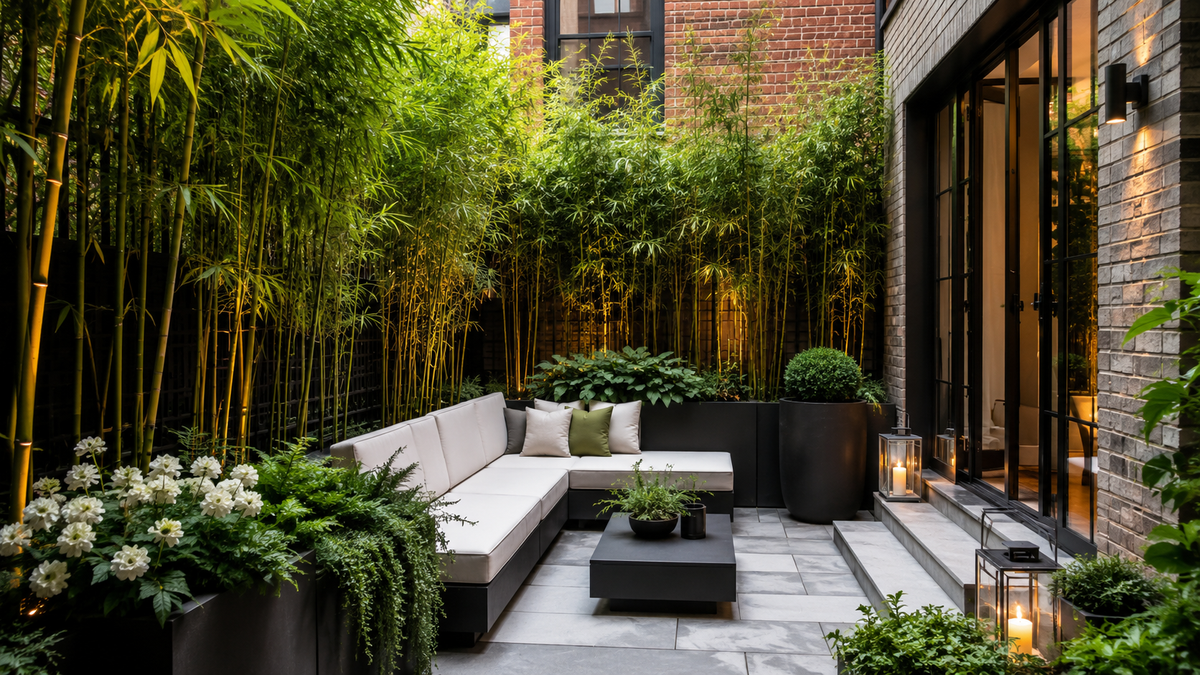
Small courtyards can feel exposed, especially in tight urban blocks where neighbor's, balconies, fences, and windows sit close together. Bamboo is one of the best plants for creating quick, attractive privacy in a compact space. It grows upright, adds movement and texture, and can soften hard walls without taking over the whole courtyard.
But if you are growing bamboo in containers, the success of your screen depends on more than choosing the right variety or pot. The potting mix matters enormously. Container-grown bamboo cannot send roots far and wide in search of better conditions. Everything it needs-air, moisture, drainage, and nutrients-has to come from that limited volume of soil. Get the mix right, and your bamboo can become a healthy, dense privacy screen. Get it wrong, and you may end up with yellowing leaves, soggy roots, weak growth, or plants that dry out too quickly.
Why Bamboo Works So Well in Small Courtyards
Bamboo is ideal for urban courtyard screening because it delivers height without much horizontal bulk. Many clumping bamboo varieties grow in tight, upright forms, making them easier to manage in pots than spreading types. Their narrow leaves filter light rather than blocking it completely, so your courtyard can feel private without becoming dark or boxed in.
For small spaces, look for clumping bamboo rather than running bamboo. Clumping types are generally better behaved in containers and easier to maintain. They form dense, vertical growth and are less likely to become invasive. Running bamboo can be beautiful, but it is usually better left to larger gardens with proper root barriers.
What Makes a Good Bamboo Potting Mix?
Bamboo likes consistent moisture, but it hates sitting in waterlogged soil. That means your potting mix needs to strike a careful balance: it should hold enough moisture to keep the plant hydrated, while also draining freely so the roots can breathe.
A good bamboo soil mix should include four key qualities:
Drainage
Excess water must move through the pot easily. Bamboo roots can rot if the mix stays wet and heavy for too long.
Moisture retention
Containers dry out faster than garden beds, especially in paved courtyards. The mix should hold enough moisture to prevent stress between watering.
Aeration
Roots need oxygen. A loose, open mix encourages strong root growth and reduces the risk of compaction.
Nutrients
Bamboo is a hungry plant, especially when grown as a privacy screen. It needs a steady supply of nutrients to support dense canes and healthy leaves.
A practical blend might include a high-quality premium potting mix, composted organic matter, and a drainage-boosting ingredient such as perlite, fine bark, or horticultural grit. Avoid using dense garden soil straight from the ground, as it often compacts in pots and drains poorly.
Choosing the Right Containers for Bamboo Screens
Even the best potting mix will struggle if the container is too small. Bamboo needs room for its roots, especially if you want it to grow tall enough for screening. Choose large, sturdy pots with generous drainage holes. Rectangular trough planters can work especially well along fences, walls, and courtyard edges.
For tight blocks, slimline planters are useful, but do not go too narrow. A very shallow or skinny container may dry out quickly and restrict root growth. Aim for the largest container your space can comfortably handle without blocking movement or seating areas.
 Best Bamboo Options for Tight Urban Blocks
For small courtyards, clumping bamboo is usually the safest and most practical choice. Look for compact or medium-height varieties that suit container growing. You want bamboo that provides screening without overwhelming the space.
Good options often include slender, upright clumping types with dense foliage. Depending on your climate, you might consider varieties known for narrow growth habits, manageable height, and suitability for pots. Before buying, check the mature height, sunlight needs, and cold tolerance of the variety in your local area.
For a softer look, choose bamboo with fine leaves and graceful canes. For stronger privacy, select a denser variety and place pots close enough together to form a continuous screen.
Drainage: The Most Important Detail to Get Right
Poor drainage is one of the fastest ways to damage container bamboo. If water collects at the base of the pot, the roots may suffocate or rot. Always use pots with drainage holes, and raise containers slightly on pot feet if water cannot escape easily.
Do not rely on a layer of gravel at the bottom of the pot as a fix for bad drainage. It is more effective to improve the potting mix itself so water moves evenly through the whole container. A free-draining mix with organic matter and aerating ingredients will do far more for bamboo health than a decorative gravel layer hidden at the base.
 Moisture Without Waterlogging
regularly with your finger. If the top few centimeters feel dry, it is usually time to Courtyards can create challenging growing conditions. Paving, walls, and reflected heat can make pots dry out quickly, while shaded corners may stay damp for longer. Bamboo prefers evenly moist soil, so check the potting mix later.
Mulching the top of the pot can help conserve moisture. Use bark chips, straw, or another breathable organic mulch, leaving a little space around the bamboo stems. Mulch also helps regulate soil temperature, which is useful in exposed urban spaces.
Feeding Bamboo in Containers
Because nutrients wash out of pots over time, container bamboo needs regular feeding. Use a slow-release fertilizer during the growing season, or apply a balanced liquid feed according to label directions. Bamboo often responds well to nitrogen, which supports leafy growth, but avoid overfeeding. Too much fertilizer can burn roots or encourage weak, floppy growth.
Adding composted organic matter to the mix can improve nutrient supply and soil structure. Just make sure it is well composted, not fresh or overly rich.
Common Soil Mistakes to Avoid
One of the biggest mistakes is using ordinary garden soil in containers. It can become heavy, compacted, and poorly drained. Another common problem is choosing a cheap potting mix that collapses quickly, leaving the bamboo roots sitting in dense, airless soil.
Avoid letting pots dry out completely for long periods, especially during hot weather. Bamboo can recover from some dryness, but repeated stress may lead to curled leaves, browning tips, and thin growth.
Also avoid constantly soggy soil. If the pot smells sour, drains slowly, or stays wet for days after watering, the mix may be too dense or the drainage holes may be blocked.
 Build the Screen from the Soil Up
Bamboo can be a brilliant screening plant for small courtyards, especially when grown in large containers on tight urban blocks. The key is choosing clumping bamboo, giving it enough root space, and using a potting mix that balances drainage, moisture retention, aeration, and nutrients.
Healthy bamboo starts below the surface. With the right soil mix, good containers, steady watering, and sensible feeding, your courtyard bamboo can become a lush, elegant privacy screen that makes a small outdoor space feel greener, calmer, and more secluded.