Top Screening Plants to Pair With Bamboo for a Layered Privacy Look
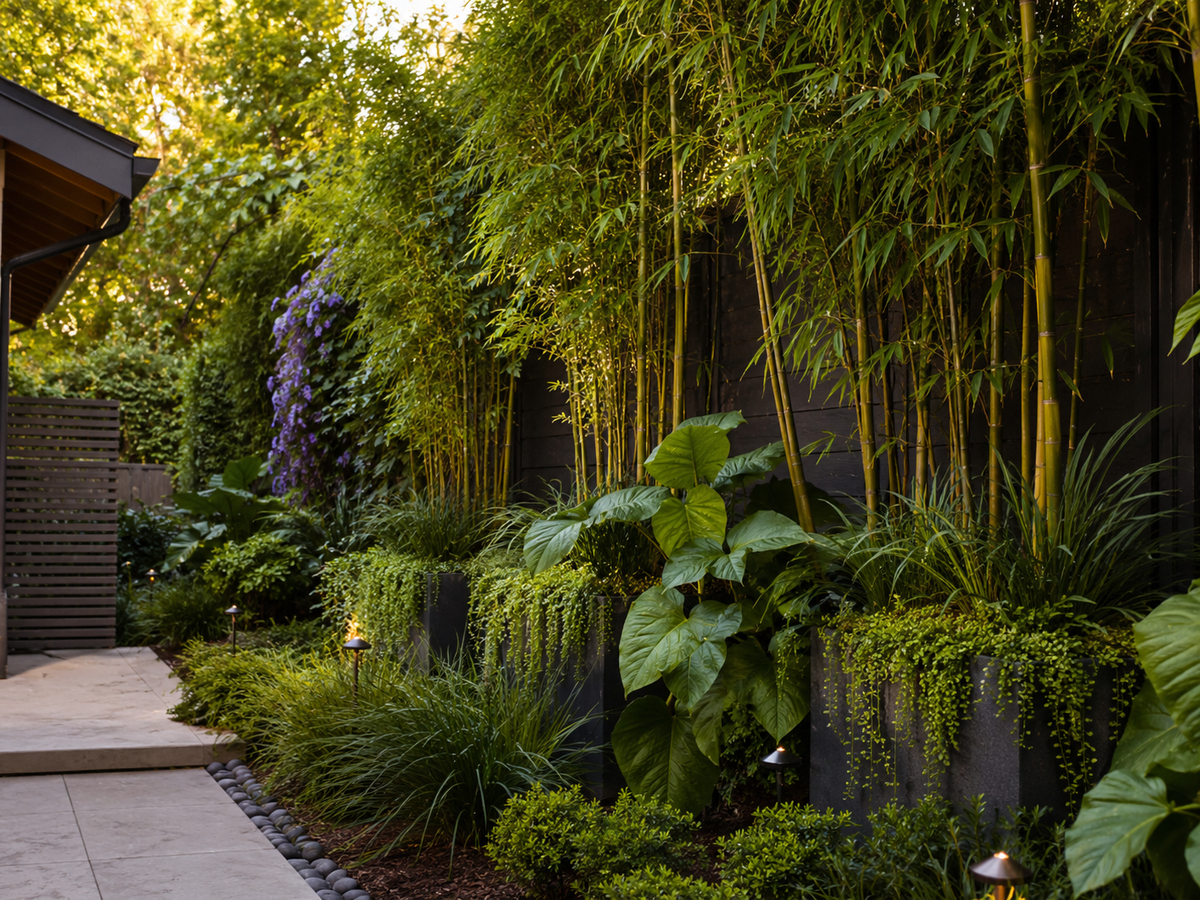
For a Layered Privacy Look
Bamboo is one of the fastest and most stylish ways to create privacy in a garden, patio, or balcony. Its upright canes, soft leaves, and dense growth make it ideal for blocking views without building a solid wall. But bamboo looks even better when it is paired with other screening plants. Layering different heights, textures, and colors creates a more natural, polished, and effective privacy screen.
Before choosing companion plants, though, it is important to understand what keeps bamboo healthy, especially when it is grown in containers. The right potting mix matters just as much as plant choice. Container-grown bamboo depends entirely on the soil you provide for drainage, moisture, oxygen, and nutrients. A poor mix can lead to yellowing leaves, root rot, stunted growth, or weak canes. A good mix helps bamboo stay lush, upright, and ready to anchor your layered privacy design.
Why Bamboo Makes a Great Privacy Base
Bamboo works beautifully as the “backbone” of a privacy planting scheme. Clumping bamboo varieties are especially useful for home gardeners because they grow in contained, tidy forms and are easier to manage than running bamboo. In large pots or raised beds, bamboo can create height quickly while adding movement and softness.
Once bamboo is in place, companion plants can fill gaps at the base, soften container edges, add seasonal color, or create a denser screen from ground level to eye level.

What Makes a Good Bamboo Soil Mix?
Healthy bamboo starts with soil that balances four key needs: drainage, moisture retention, aeration, and nutrients.
Bamboo likes consistent moisture, but it does not want to sit in soggy soil. A quality potting mix should drain freely while still holding enough water to keep roots evenly moist. Look for a mix that contains ingredients such as composted bark, coco coir, perlite, pumice, or coarse sand. These materials help prevent compaction and allow oxygen to reach the roots.
Nutrients are also important because bamboo is a vigorous grower. Compost, worm castings, or a slow-release balanced fertilizer can support strong cane development and lush foliage. For container bamboo, refresh the top layer of soil each year and feed during the active growing season.
A practical bamboo potting blend might include high-quality potting soil, compost, and a drainage material such as perlite or pumice. The goal is a mix that feels rich but not heavy.
Evergreen Shrubs for Year-Round Structure
Evergreen shrubs are excellent partners for bamboo because they provide dense coverage throughout the year. Plants such as boxwood, pittosporum, laurel, holly, or dwarf podocarpus can create a solid mid-level screen beneath bamboo’s taller canes.
For a formal garden, clipped boxwood or compact pittosporum can give structure and neatness. For a more relaxed look, choose looser shrubs with glossy leaves. Place these in front of or beside bamboo containers to create depth and prevent the screen from looking flat.
Evergreen shrubs also help hide the lower stems of bamboo, which can sometimes look sparse as the plant matures.
Ornamental Grasses for Soft Movement
Ornamental grasses pair beautifully with bamboo because they echo its movement while adding a different texture. Fountain grass, feather reed grass, switchgrass, and Japanese forest grass can soften the base of a bamboo screen.
Use taller grasses where you need extra density and lower grasses near pathways or patios. Their arching forms make the planting feel layered and relaxed rather than rigid. Many grasses also provide interest in fall and winter, especially when their seed heads catch the light.

Broad-Leaf Plants for a Lush Tropical Look
For a bold, leafy privacy design, pair bamboo with broad-leaf plants such as fatsia, canna lily, elephant ear, banana, ginger, or philodendron in warm climates. These plants contrast beautifully with bamboo’s fine foliage.
Broad leaves make the garden feel fuller and more enclosed, which is especially helpful on patios and small urban balconies. In cooler areas, many tropical-looking plants can be grown as summer container accents and moved indoors or replaced seasonally.
This combination works well if you want a resort-style or Zen-inspired garden with a sense of calm and enclosure.
Flowering Shrubs and Vines for Color
Bamboo is mostly grown for foliage and structure, so flowering plants can bring welcome color. Hydrangeas, camellias, abelia, roses, jasmine, clematis, and mandevilla can all work depending on your climate and sun exposure.
Flowering vines are especially useful if you have a trellis, pergola, or fence behind your bamboo. They add another privacy layer while softening hard surfaces. Just make sure aggressive vines do not overwhelm bamboo containers or compete too heavily for water and nutrients.

Best Plants for Container Pairings
If your bamboo is grown in pots, choose companion plants that also perform well in containers. Good choices include dwarf shrubs, compact grasses, trailing groundcovers, herbs, and seasonal flowers.
Try pairing bamboo with creeping Jenny, sweet potato vine, mondo grass, heuchera, dwarf nandina, or compact lavender. These plants can spill over pot edges or fill the soil surface, making large bamboo containers look more finished.
When mixing plants in the same container, check that they have similar water and light needs. Bamboo generally prefers consistent moisture, so avoid pairing it with plants that need very dry soil, such as many succulents.
Common Soil Mistakes to Avoid With Container Bamboo
The biggest mistake is using heavy garden soil in pots. Garden soil can compact quickly, blocking drainage and starving roots of oxygen. Another common problem is choosing a container without drainage holes. Even the best soil mix will fail if excess water cannot escape.
Avoid mixes that are too sandy, too dense, or too peat-heavy. A mix that dries out too fast can stress bamboo, while one that stays wet can cause root rot. Also avoid forgetting to feed container bamboo. Because nutrients wash out of pots over time, bamboo needs regular replenishment.
Finally, do not let bamboo become root-bound for too long. If water runs straight through the pot or growth slows dramatically, it may be time to repot, divide, or refresh the soil.

Build Privacy in Layers
Bamboo is a strong starting point for a beautiful privacy screen, but the best results come from thoughtful layering. Evergreen shrubs add structure, ornamental grasses bring movement, broad-leaf plants create lushness, and flowering plants introduce color and seasonal charm.
For container-grown bamboo, healthy soil is the foundation. Choose a mix that drains well, holds steady moisture, allows airflow, and provides nutrients. Avoid heavy garden soil, poor drainage, and neglected feeding. With the right plant pairings and a smart potting mix, bamboo can become the centerpiece of a private, welcoming, and naturally layered garden space.