Is Bamboo Messy? Leaf Drop, Cleaning Tips and What Australian Gardeners Should Expect
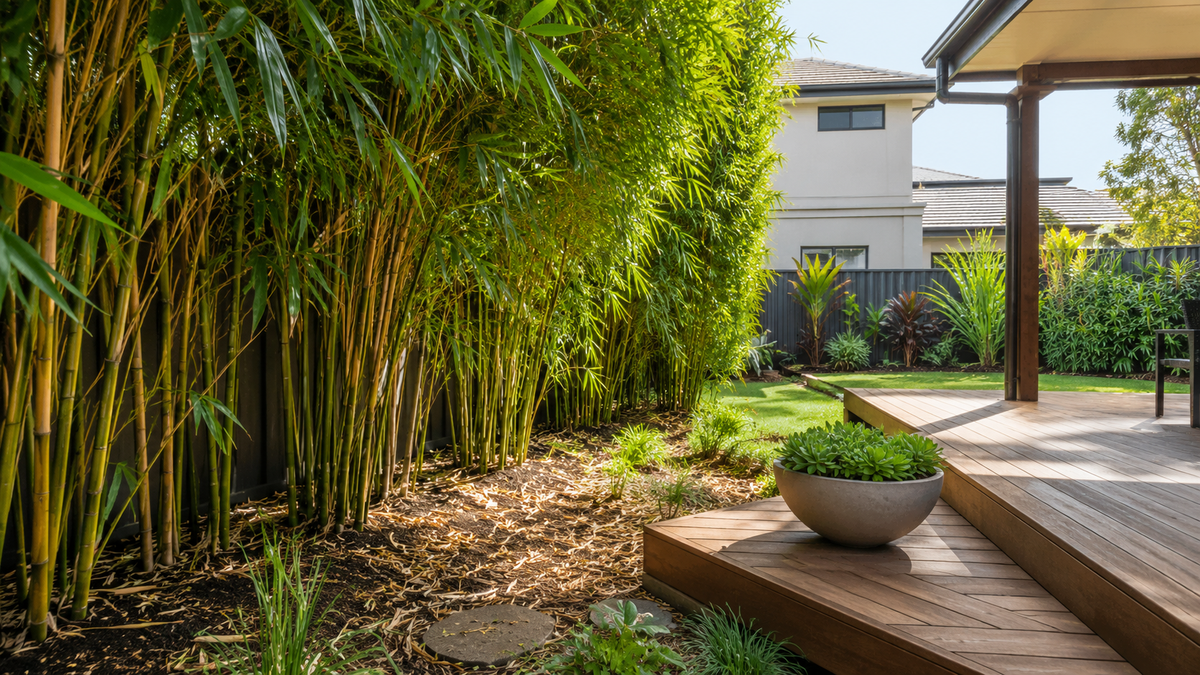
Bamboo is one of the most popular plants for creating fast privacy, lush greenery and a resort-style feel in Australian gardens. But one question comes up often: is bamboo messy?
The honest answer is: bamboo does drop leaves, but it is usually far less troublesome than many people expect. In most gardens, leaf drop is a normal part of the plant’s growth cycle and can be managed with simple maintenance. In fact, those fallen leaves can even help protect the soil and feed the plant naturally.
For home gardeners, landscapers and property owners, understanding what is normal makes all the difference. A healthy bamboo screen should look full, green and vibrant, even if you notice some dry leaves underneath.
Key Takeaways
- Bamboo is generally evergreen, but it still sheds older leaves throughout the year.
- Most leaf drop is normal and not a sign that the plant is dying.
- Fallen bamboo leaves can act as natural mulch around the base of the plant.
- Excessive yellowing, bare canes or sudden heavy leaf loss may point to stress.
- Regular light cleaning is usually enough to keep bamboo looking tidy.
Why Bamboo Drops Leaves
Bamboo Is Evergreen, Not Leaf-Free
Many people hear that bamboo is evergreen and assume it should never lose leaves. In reality, evergreen plants still replace old foliage. Bamboo gradually sheds older leaves while producing fresh new ones, so the plant can stay green throughout the year.
This is why you may see a light layer of dry leaves beneath your bamboo, especially during seasonal changes or active growth periods. It is usually part of the plant’s natural cycle.
 Leaf Drop Can Increase During Stress
While some leaf drop is normal, bamboo may shed more heavily if it is under stress. Common causes include:
- Dry soil during hot Australian summers
- Poor drainage or waterlogged roots
- Recent planting or transplant shock
- Strong winds or reflected heat from paving and walls
- Lack of nutrients
- Pest pressure, particularly on stressed plants
A little shedding is no cause for panic. Sudden, heavy leaf loss combined with yellowing, curling or thinning growth is worth investigating.
Is Bamboo Messier Than Other Screening Plants?
Compared with many hedging and screening plants, bamboo is quite manageable. It does not usually drop large branches, heavy fruit or sticky flowers. The main litter is fine, dry leaves and occasional culm sheaths, which are the papery coverings that fall away as new canes mature.
For a poolside, courtyard or formal entry, bamboo may need more frequent tidying. For garden beds, fence lines and acreage plantings, the leaf litter often blends naturally into the mulch layer.
The key is choosing the right bamboo variety for the site. A well-selected clumping bamboo planted in the right position is much easier to maintain than a plant squeezed into a narrow, dry or unsuitable space.
What to Expect From Bamboo Leaf Drop
Light Leaf Drop
A small amount of leaf drop throughout the year is normal. You may notice dry, straw-colored leaves collecting around the base of the plant or blowing into nearby paths.
In garden beds, these leaves can usually stay where they are. They help conserve moisture, suppress weeds and return organic matter to the soil as they break down.
Seasonal Leaf Drop
Some bamboo plants shed more noticeably during spring or early summer as new growth appears. This can look concerning if you are not expecting it, but it often settles as the plant refreshes its foliage.
Heavy or Sudden Leaf Drop
Heavy leaf drop may indicate the plant needs attention. Check the soil first. If it is bone dry, deep watering may be needed. If it is soggy or smells sour, drainage could be the issue.
Also look for pests, compacted soil, recent herbicide exposure or major changes in sun and wind conditions.
 Cleaning Up Bamboo Leaves
In Garden Beds
The easiest approach is to leave most bamboo leaves under the plant as natural mulch. Spread them evenly around the root zone, keeping them slightly away from the culms to allow airflow.
If the layer becomes too thick or untidy, remove some leaves and add them to compost or green waste.
Around Paths, Decks and Pools
In high-use areas, a blower, soft broom or rake works well. Bamboo leaves are light and dry, so they are usually quick to gather.
For pool areas, regular skimming may be needed if bamboo is planted close to the water. Good spacing and thoughtful placement can reduce maintenance.
In Pots and Planters
Container-grown bamboo often needs a little more cleaning because leaves collect in a smaller area. Remove excess leaf litter from the surface if it becomes dense, but leave a thin layer to help retain moisture.
How to Reduce Bamboo Mess
Choose the Right Variety
Clumping bamboo is generally the preferred choice for residential gardens because it grows in a more controlled form. It is ideal for privacy screens, narrow garden beds and boundary planting when matched correctly to the available space.
 Water Consistently
Dry, stressed bamboo is more likely to drop leaves. During hot or windy weather, check soil moisture regularly, especially for newly planted bamboo and potted specimens.
Deep watering is better than frequent shallow watering. Aim to moisten the root zone rather than just the surface.
Mulch Well
A good mulch layer helps regulate soil temperature, reduce evaporation and improve soil health. Bamboo leaves can form part of this mulch, but you can also top up with quality organic mulch when needed.
Feed During the Growing Season
Healthy bamboo holds its foliage better and recovers more quickly from stress. Use an appropriate fertilizer during the active growing season and water it in well.
Avoid overfeeding, as this can encourage weak growth or create nutrient imbalance.
Prune for Airflow and Neatness
Remove old, weak or crowded culms at ground level to keep the bamboo looking tidy. Thinning the clump improves airflow, makes cleaning easier and helps highlight the attractive canes.
Avoid cutting the tops randomly unless height control is needed, as this can create a less natural look.
Common Misconceptions About Bamboo Mess
“Leaf Drop Means My Bamboo Is Dying”
Not usually. Some yellowing and shedding of older leaves is normal. Look at the overall plant. If it is still producing fresh green leaves and strong canes, it is likely healthy.

“All Bamboo Is High Maintenance”
Bamboo maintenance depends on variety, placement and expectations. A bamboo hedge beside a pool will need more tidying than a bamboo screen in a mulched garden bed. With the right planning, it can be very low fuss.
“Fallen Leaves Should Always Be Removed”
In many cases, fallen bamboo leaves are beneficial. They create a natural mulch layer and help keep the root zone cool and moist. Remove them mainly where appearance, safety or drainage is a concern.
Conclusion
So, is bamboo messy? A little, but usually in a manageable and useful way. Bamboo naturally drops older leaves, and in garden beds that leaf litter can help protect the soil, retain moisture and support healthy growth.
The main thing is knowing the difference between normal leaf renewal and stress-related leaf loss. With the right bamboo variety, consistent watering, good mulch and occasional cleaning, bamboo can be a tidy, practical and beautiful screening plant for Australian gardens.
For homeowners, landscapers and property owners wanting privacy without constant upkeep, well-chosen clumping bamboo remains one of the most effective garden solutions available.