How to Plant Clumping Bamboo for a Fast Privacy Screen (Step-by-Step)
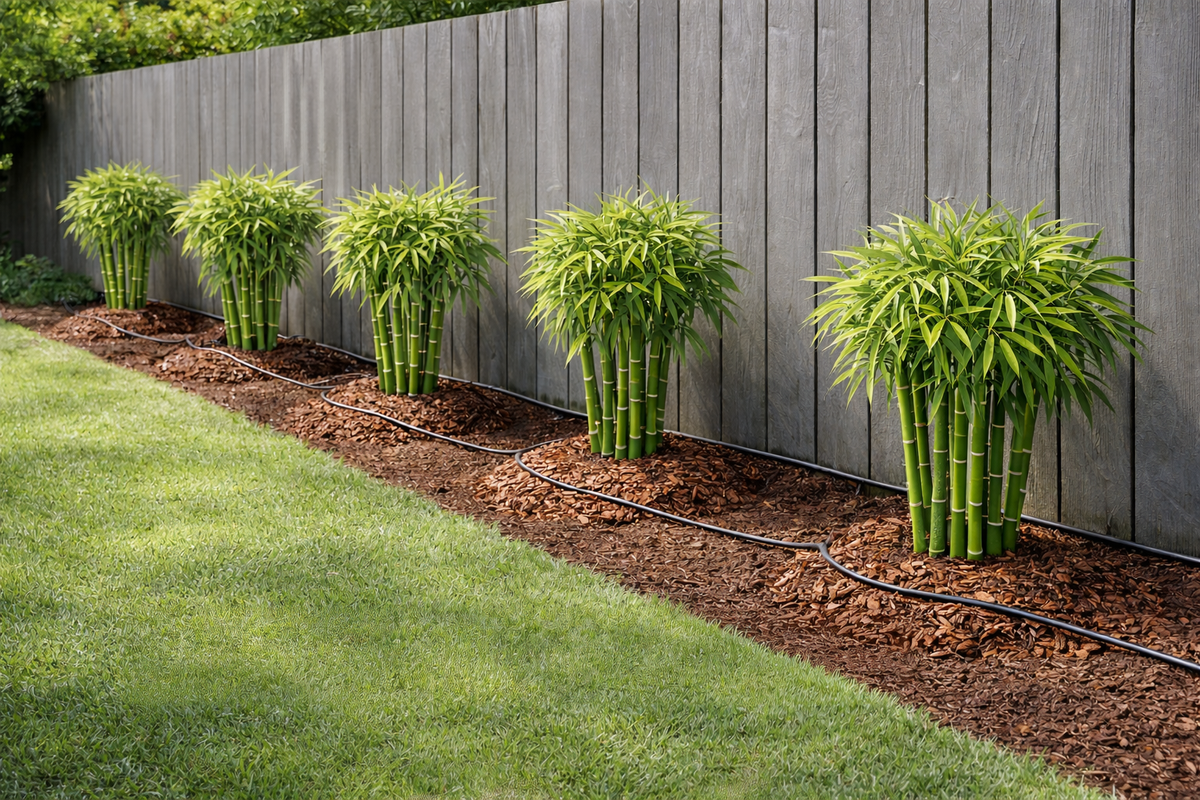
If you want a living privacy screen that fills in quickly, looks lush year-round, and moves beautifully in the breeze, clumping bamboo is one of the best options. Unlike running bamboo, clumping types grow in a tight, expanding fountain shape—making them easier to manage in most gardens. The key to success is choosing the right variety for your climate and planting it correctly so it establishes fast without stress.
Below is a practical, step-by-step guide you can follow on a weekend.
Why Clumping Bamboo (Not Running Bamboo)?
Clumping bamboo grows from a compact root mass and expands outward slowly. That means you get the height and density bamboo is known for, without the aggressive spreading habits that make running bamboo difficult in many backyards. It’s still a strong grower—but far more predictable.
Clumping bamboo is ideal for:
- Fast screening along fences
-
Creating a green backdrop behind garden beds
- Blocking overlooking from neighbors
- Wind protection for patios and pools
Step 1: Pick the Right Bamboo for Your Space
Before you buy, match the bamboo to your conditions:
-
Screen height: Decide whether you want ~2–3 m, 4–6 m, or taller.
-
Sun/shade: Most clumping bamboo prefers sun to part shade (more sun = tighter, denser growth).
-
Climate: Check cold tolerance if you get frosts or cold winters.
-
Footprint: Even clumping bamboo needs room—plan for the mature width and avoid squeezing it into narrow strips unless the variety is suited.
Tip: If you’re unsure, choose a variety known for dense screening and good container-to-ground performance.

Step 2: Plan Your Spacing for a Fast Screen
Spacing determines how quickly your screen fills in.
A practical guide:
-
1–1.5 m apart for a faster, denser privacy wall (plants knit together sooner).
-
1.5–2 m apart for a more budget-friendly line (takes longer to fill).
If your fence line is exposed to wind or harsh afternoon sun, slightly closer spacing helps plants shelter each other while establishing.
Step 3: Prep the Site (This Is Where Speed Comes From)
Bamboo grows quickly once established, but it still needs good soil structure and consistent moisture early on.
-
Clear the line: Remove weeds, grass, and roots along the planting strip.
-
Loosen the soil: Dig or fork the bed at least 30–40 cm deep to improve root penetration.
-
Add organic matter: Mix in compost to improve water-holding and nutrient availability.
- Check drainage: Bamboo likes moisture but hates waterlogged soil. If water sits for hours after rain, consider raising the bed slightly or improving drainage before planting.
Step 4: Dig the Holes and Plant Correctly
-
Dig holes about twice as wide as the pot and roughly the same depth as the root ball.
-
Water the plant in its pot before you remove it—this reduces transplant shock.
-
Remove the pot and gently tease any circling roots.
-
Set the plant so the top of the root ball sits level with (or slightly above) the surrounding soil.
-
Backfill with your improved soil mix, pressing lightly to remove air pockets.
-
Create a watering basin (a shallow ring) to help water soak into the root zone.
Avoid burying bamboo deeper than it was in the pot—this can slow establishment.

Step 5: Watering Schedule (The First 8 Weeks Matter Most)
For a fast privacy screen, the goal is steady growth—not stress.
-
First 2 weeks: Water deeply every 2–3 days (more often in hot weather).
-
Weeks 3–8: Water deeply 1–2 times per week, depending on heat and rainfall.
-
After establishment: Bamboo is more resilient, but regular deep watering keeps it lush and dense.
A good deep watering means moisture reaches 20–30 cm down, not just wetting the surface.
Step 6: Mulch and Feed for Faster Fill-In
Mulch is your secret weapon. Apply a 5–8 cm layer of mulch around the base (keep it a few centimeters away from the canes). Mulch stabilizes soil temperature and reduces evaporation—two big reasons bamboo slows down.
Feeding tip:
-
Use a slow-release fertilizer in spring and mid-summer (or compost + a gentle nitrogen boost). Too much fertilizer can cause weak, floppy growth, so stick to label rates.

Step 7: Maintenance for a Thicker Screen
-
Remove weak or dead canes at the base to encourage fresh, strong shoots.
- Trim lower leaves if you want a cleaner “hedge” look (optional).
- Top-trim lightly once it reaches height to encourage bushiness—don’t scalp it.
Final Thoughts
Clumping bamboo can form a beautiful privacy screen surprisingly quickly when you focus on the fundamentals: correct spacing, good soil prep, deep watering, and consistent mulch. Do those well in the first two months and your bamboo will reward you with fast, dense growth for years.