Decorative Pebbles Sydney: A Complete Buyer's Guide for 2026
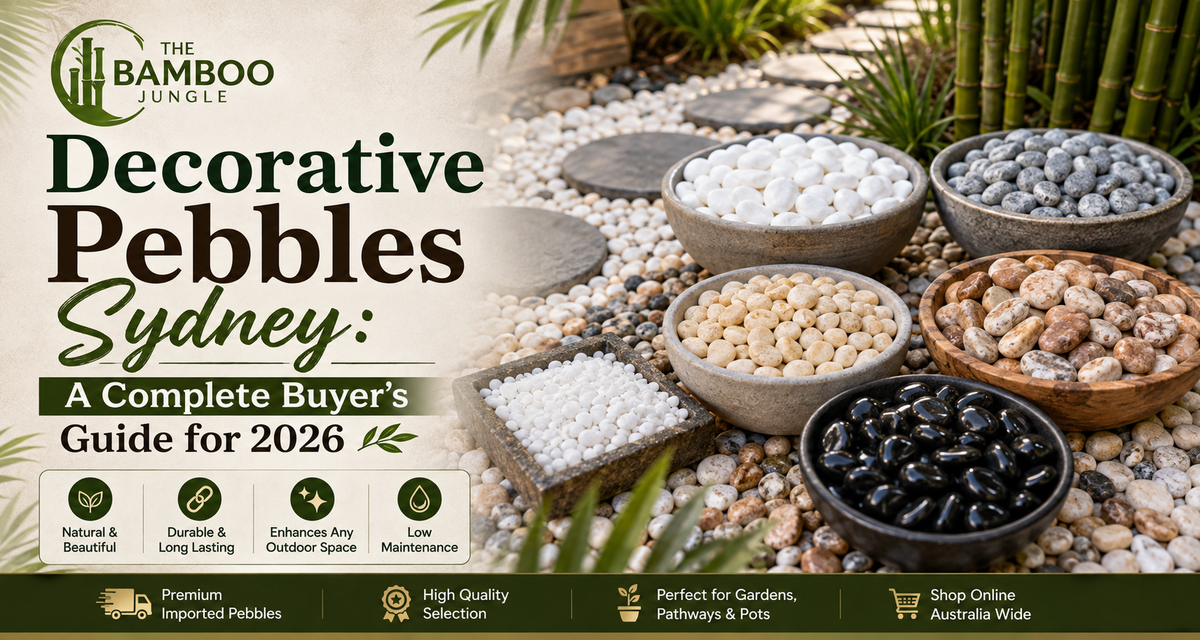
Decorative pebbles Sydney homeowners choose today do more than fill a gap in the garden bed. They tie your whole outdoor space together, cut down on watering, and give your yard a finished look that lasts for years. If you are planning a garden refresh in 2026, this guide walks you through everything you need to know before you buy garden rocks and pebbles Sydney suppliers stock, from the different types on offer to where each one works best.
Whether you want a low-maintenance front yard, a Zen-style courtyard, or a neat border around your flower beds, the right landscaping pebbles change the way your garden feels underfoot and looks from the street.
Key Takeaways
- Decorative pebbles cut down on watering, weeding, and general upkeep.
- Polished pebbles suit paths and feature beds, while natural pebbles fit rustic designs.
- Garden stones work well as anchor pieces or edging around pebble beds.
- Measure your space in square metres before ordering to get accurate coverage.
- A rinse and a yearly top-up keep pebble beds looking their best.
Why Choose Decorative Pebbles for Your Sydney Garden
Sydney's climate swings between dry summers and wet winters. Grass and mulch struggle under that pressure. Garden pebbles Sydney gardeners rely on hold up in both conditions without fading, rotting, or washing away.
Here is what pebbles bring to your garden:
- They reduce weed growth by blocking sunlight from reaching the soil.
- They cut down on water evaporation, so your plants stay hydrated for longer.
- They need no mowing, no fertilising, and almost no upkeep.
- They resist pests, mould, and rot better than bark or mulch.
- They add texture and colour that stays consistent year-round.
For busy households, this adds up to a garden that looks tidy without the weekend labour.
Types of Garden Pebbles and Stones Available
Not all pebbles serve the same purpose. Picking the right type depends on the look you want and how the space gets used.
Polished Pebbles
Polished pebbles garden Sydney owners love bring a smooth, glossy finish that catches the light. The tumbling process rounds off every edge, so they sit well in pathways, pot arrangements, and feature beds where bare feet or bare hands might touch them. Polished stone also holds its colour well and rinses clean with a garden hose.
Natural Pebbles
Natural pebbles keep their rougher, unprocessed texture. They suit rustic garden designs, dry creek beds, and areas where you want the stone to blend into a more organic setting. Natural pebbles tend to sit heavier in the soil, which helps them stay put in sloped garden beds.
Garden Stones
Garden stones Sydney landscapers use are usually larger than pebbles and work as anchor pieces. Place a few larger stones among a bed of smaller pebbles to create depth and a layered look. Garden stones also double as edging, holding gravel or pebble beds in place along a lawn or driveway.
How to Choose the Right Landscaping Pebbles
Before you order, think through these points:
- Size – Small pebbles suit pots and narrow borders. Larger stones work better for open beds and driveway edges.
- Colour – Warm tones such as beige and terracotta suit sandstone homes, while grey and white pebbles pair well with modern brick and render.
- Coverage – Measure your garden bed in square metres first, so you order the right volume and avoid a second delivery.
- Location – High-traffic paths call for a flatter, more compact pebble, while decorative beds can use rounder stone.
- Drainage – Pebbles laid over a permeable membrane drain better and stop weeds from pushing through.
- Getting these details right the first time saves you both money and a return trip to top up the bed later.
Where to Use Decorative Pebbles in Your Garden
Decorative pebbles Sydney properties feature them in more spots than most people expect:
- Garden borders – Define the edge between lawn and garden bed with a strip of pebbles.
- Dry creek beds – Recreate a natural waterway look without any actual water feature.
- Potted plants – Top off pots with pebbles to hold moisture and finish the display.
- Driveways and paths – Compact pebbles give a firm, attractive surface for foot traffic.
- Around trees – Pebble rings protect tree roots from mower damage and keep grass from growing too close to the trunk.
Maintenance Tips for Garden Pebbles Sydney Homes Need
Pebbles need far less attention than mulch, but a little care keeps them looking sharp:
- Rinse pebbles with a hose every few months to clear off dust and pollen.
- Top up low spots once a year, since some settling is normal.
- Rake leaves and debris off the surface before they build up and trap moisture.
- Pull any stray weeds early, before roots dig into the base layer beneath the stones.
FAQs
1. How much do decorative pebbles cost in Sydney?
Pricing depends on the pebble type, size, and how many square metres you need to cover. Polished and imported varieties usually sit at a higher price point than standard natural stone. Get a quote based on your garden's exact dimensions for the most accurate figure.
2. What is the difference between garden pebbles and garden stones?
Garden pebbles are smaller, rounder stones used to fill and cover garden beds. Garden stones are larger pieces, often used as feature points, edging, or anchor elements within a pebble bed.
3. How many pebbles do I need to cover my garden?
Coverage depends on the depth you lay the pebbles and the size of your bed. As a general guide, a 5 to 7 centimetre depth gives solid weed coverage without wasting stone. Measure your bed in square metres, then check the coverage rate for your chosen pebble size.
4. Do decorative pebbles stop weeds from growing?
Pebbles laid over a weed membrane block most sunlight from reaching the soil, which stops the majority of weed growth. Some stray seeds can still take root on top of the stones, so a quick check every few months keeps beds clear.
5. Are polished pebbles better than natural pebbles for gardens?
Neither type is better outright. Polished pebbles suit modern gardens, paths, and pot displays with their smooth finish. Natural pebbles suit rustic or bushland-style gardens where a rougher texture fits the setting. The right choice comes down to the look you want.