Bamboo Privacy vs Hedging Plants: Which Is Faster and Easier for Your Garden
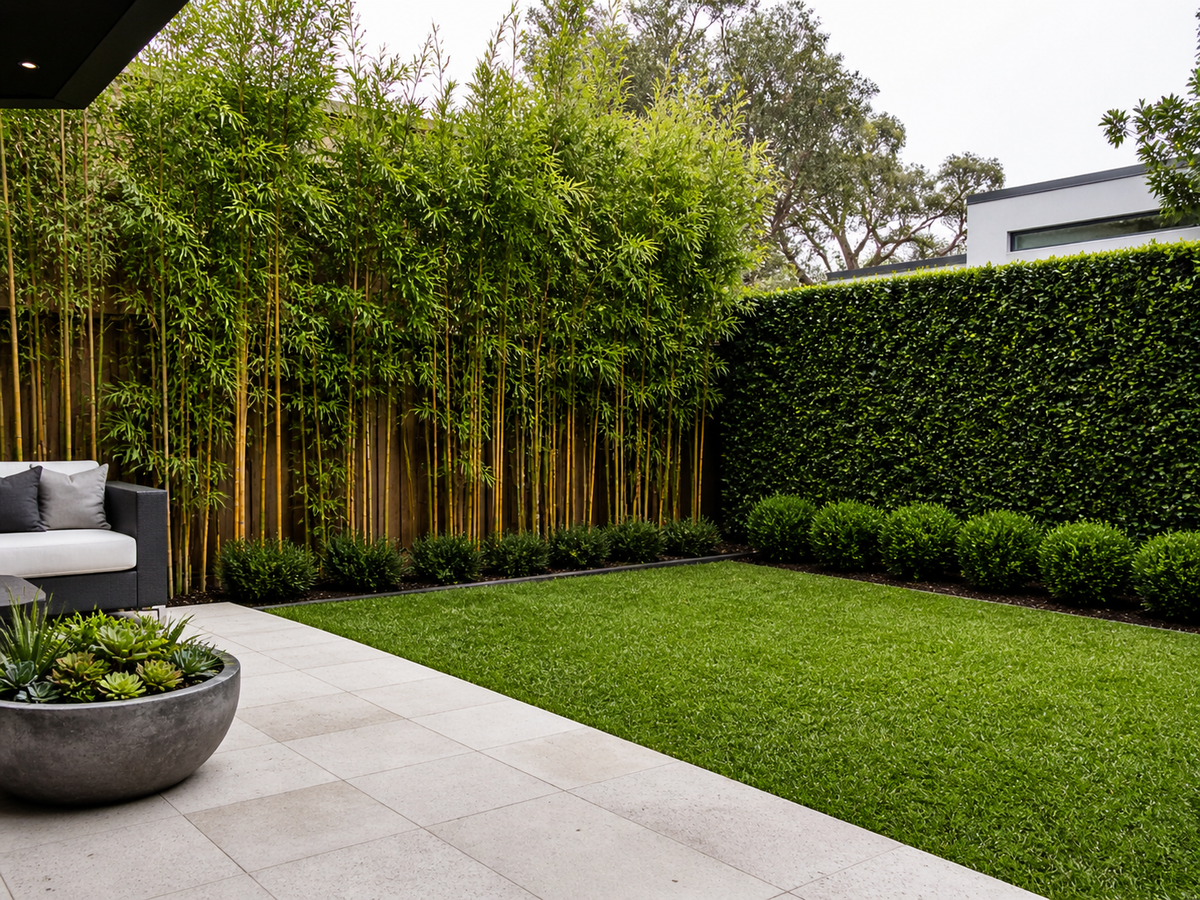
When you want more privacy in your outdoor space, two of the most popular options are bamboo privacy screening and hedging plants. Both can create a green, natural barrier that softens fences, blocks unwanted views, and adds a more peaceful feeling to the garden. But they are not the same when it comes to growth speed, maintenance, and long-term ease.
If you are deciding between the two, the biggest questions are usually simple: Which one grows faster? And which one is easier to live with? The answer depends on your garden size, the look you want, and how much maintenance you are willing to do.
Why This Comparison Matters
Privacy screening is not just about covering a fence. It also affects how your garden feels and functions. A good screen can reduce visual clutter, create a sense of enclosure, and improve the overall design of the space. However, the wrong plant choice can lead to extra work, overcrowding, or a screen that never quite performs the way you hoped.
Bamboo is often chosen because it grows quickly and creates a lush, vertical screen. Hedging plants are popular because they come in many shapes and textures and are usually easier to shape into a tidy form. Comparing them side by side makes it easier to choose the option that fits your needs rather than just the one that looks appealing at the garden center.

Which Option Grows Faster?
If speed is the main goal, bamboo usually wins. Many bamboo varieties are known for their rapid growth and can establish a tall screen much faster than traditional hedging plants. This makes bamboo especially appealing if you want privacy in a relatively short timeframe.
Its upright canes and narrow footprint also allow it to create height quickly without taking up a lot of width. In tight side gardens or along fence lines, that can be a major advantage.
Hedging plants, on the other hand, are generally slower to fill in. While some varieties grow at a moderate pace, most will need more time to develop into a dense, effective screen. That does not make them a bad choice—it just means patience is often part of the process. If you want a mature-looking hedge quickly, you may need to buy larger plants or plant more closely, which can increase the upfront cost.
So if your question is purely about speed, bamboo is usually the faster option.
Which Option Is Easier to Control?
This is where hedging plants often come out ahead. While bamboo can grow fast, that speed can also make it harder to manage if you choose the wrong type or do not plan carefully. Some bamboo spreads aggressively, and even clumping varieties still need monitoring, pruning, and space management over time.
Hedging plants are generally more predictable and easier to shape. They respond well to trimming and can be kept at a desired height and width with routine maintenance. If you like a neat, formal look or want to keep your screen very controlled, hedging plants are often easier to live with in the long run.
That makes hedges a strong choice for homeowners who prefer a more structured garden or who do not want to worry about the plant becoming too dominant.

Maintenance and Ongoing Care
When it comes to maintenance, the answer depends on what kind of work you would rather do.
Bamboo may need less shaping if you like its natural look, but it often needs more attention to keep it contained, cleaned up, and looking tidy. Falling leaves and old canes may need regular removal, especially in compact spaces. If you are growing bamboo in pots or planters, watering and feeding can also become more important.
Hedging plants usually require regular pruning, especially if you want a crisp, clean line. The good news is that this maintenance is straightforward and familiar to many gardeners. Trim a few times through the growing season, keep the base healthy with mulch and water, and a hedge can remain attractive for years.
In simple terms, bamboo can be faster but sometimes more demanding to manage, while hedging plants can be slower but easier to maintain in a predictable way.
Best Uses for Bamboo Privacy
Bamboo works well when you want a fast, upright, contemporary screen. It is especially useful in narrow gardens, around patios, near pool areas, or along boundaries where width is limited. It also suits modern landscape styles because of its clean vertical lines and lush tropical feel.
If instant impact matters and you are happy to choose a suitable variety and stay on top of maintenance, bamboo can be an excellent privacy solution.

Best Uses for Hedging Plants
Hedging plants are ideal when you want a classic, tidy, and easy-to-control screen. They suit front gardens, formal backyards, suburban boundaries, and any space where a softer, more traditional look is preferred.
Because hedges can be shaped and maintained more precisely, they are often better for people who want a long-term screen without the concern of rapid spread or a less structured appearance. They also come in many different leaf colors, textures, and growth habits, giving you more design flexibility.

So Which Is Faster And Which Is Easier?
If your top priority is speed, bamboo is typically the faster choice. It can create privacy sooner and deliver strong vertical coverage in a relatively short period.
If your top priority is ease, hedging plants are often the easier option. They are usually more manageable, more predictable, and better suited to gardeners who want a controlled, low-stress screening solution.
The best choice comes down to what matters more in your garden. If you need quick privacy and love a lush, modern look, bamboo may be worth the extra attention. If you want reliable structure, easier shaping, and a more traditional finish, hedging plants are often the smarter long-term investment.
In the end, both can work beautifully. The right answer is not just which grows faster or which is easier—it is which one fits your space, your style, and the amount of maintenance you are happy to take on.