Xanthorrhoea Glauca: Why Ancient Australian Grass Trees Are Perfect for Contemporary Gardens
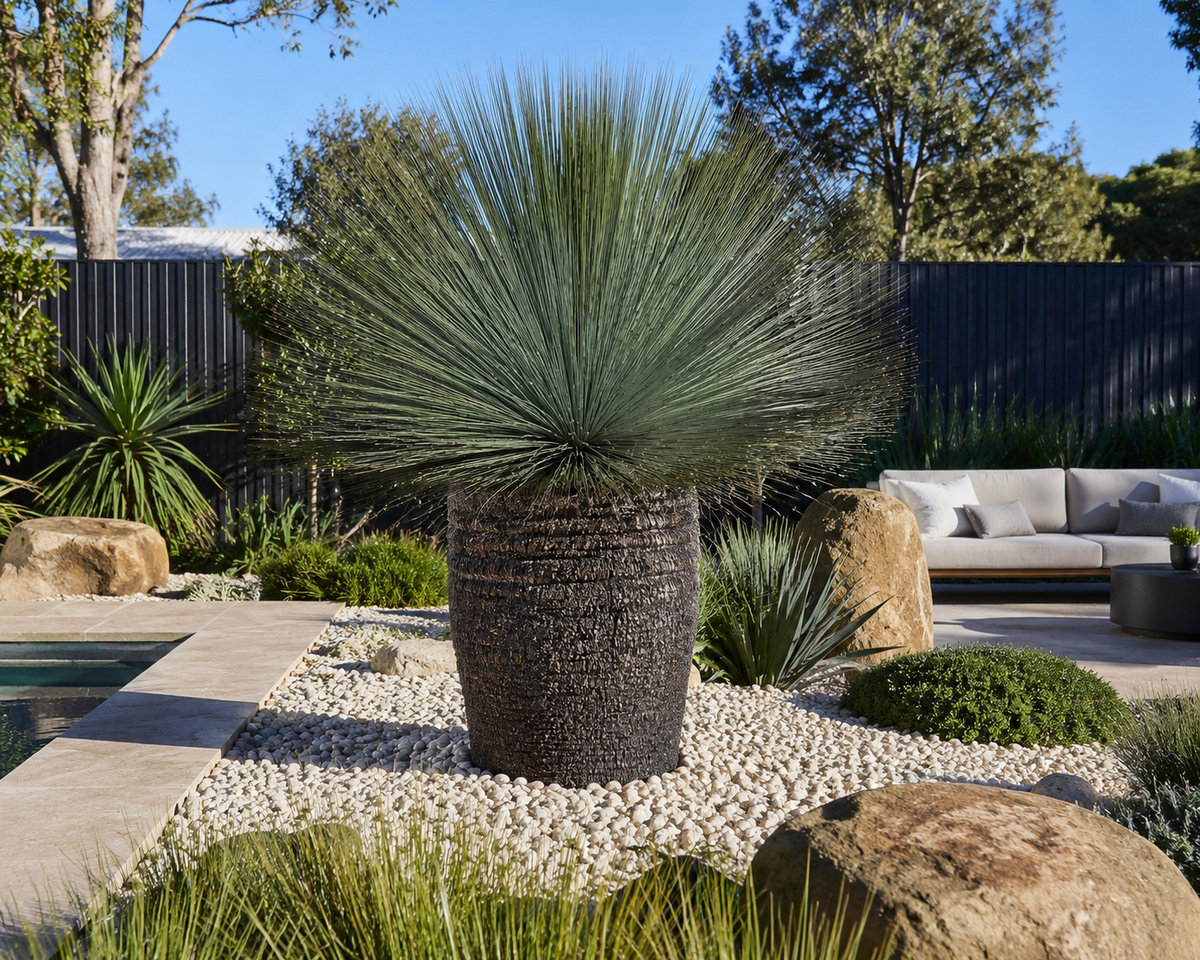
Australia is home to some of the world's most remarkable native plants, and Xanthorrhoea glauca, commonly known as the Blue Grass Tree, is among the most iconic. With its dramatic trunk, striking blue-grey foliage, and impressive lifespan, this ancient species effortlessly combines natural beauty with architectural appeal.
Whether you're designing a minimalist courtyard, a native landscape, or a contemporary outdoor entertaining space, Xanthorrhoea glauca provides year-round structure while celebrating Australia's unique botanical heritage. Its sculptural appearance and low-maintenance nature make it an increasingly popular choice for homeowners, landscapers, and garden designers.
For those seeking a long-lasting feature plant that delivers both visual impact and resilience, the Blue Grass Tree is a standout option.
Key Takeaways
- Native Australian feature plant with timeless appeal
- Architectural blue-grey foliage suits modern landscapes
- Highly drought tolerant once established
- Ideal as a standalone focal point
- Low-maintenance with exceptional longevity
-
Complements decorative pebbles, natural stone, and native planting
Why Xanthorrhoea Glauca Is So Highly Valued
Unlike traditional shrubs or ornamental trees, Xanthorrhoea glauca develops an unmistakable silhouette over many decades.
Its slow-growing trunk supports a dense crown of narrow blue-grey leaves that create texture, movement, and contrast within the landscape. Mature specimens can also produce spectacular flowering spikes that rise well above the foliage, attracting native birds and pollinating insects.
Perhaps most impressive is the plant's incredible lifespan. Many grass trees live for several centuries, making them one of Australia's most enduring landscape investments.

Where Xanthorrhoea Glauca Works Best
One of the greatest strengths of the Blue Grass Tree is its versatility. Although it has a distinctly Australian character, it complements a wide range of contemporary landscape styles.
Popular applications include:
- Modern front gardens
- Native Australian landscapes
- Coastal gardens
- Mediterranean-inspired designs
- Luxury pool surrounds
- Courtyard gardens
- Commercial landscape projects
- Architectural garden displays
Its sculptural form naturally draws the eye, making it ideal as a feature plant rather than being hidden among dense planting.
Pairing Xanthorrhoea glauca with decorative gravel, sandstone, Corten steel edging, fiberclay planters, or drought-tolerant grasses creates a clean, modern aesthetic that requires minimal upkeep.
Planting Tips for Long-Term Success
Although Xanthorrhoea glauca is exceptionally hardy once established, successful planting begins with selecting the right location.
Choose Excellent Drainage
The most important factor is free-draining soil. Poor drainage can lead to root problems, particularly in heavy clay soils.
If necessary, improve drainage using gravel, coarse sand, or raised garden beds before planting.
Plant in Full Sun
Blue Grass Trees thrive in sunny positions where they receive plenty of natural light. Full sun encourages healthy foliage and supports long-term growth.
Avoid Overwatering
A common misconception is that all feature plants require frequent watering. In reality, established Xanthorrhoea glauca prefers relatively dry conditions and generally needs only occasional watering during extended dry periods.

Creating a Contemporary Landscape Around Your Grass Tree
Because of its bold architectural shape, the surrounding landscape should enhance rather than compete with the plant.
Consider incorporating:
Decorative Pebbles
Natural white, black, or river pebbles provide excellent contrast against the textured trunk while helping suppress weeds.
Native Companion Plants
Pair the Blue Grass Tree with plants such as:
- Kangaroo Paw
- Lomandra
- Dianella
- Westringia
- Native grasses
These plants share similar growing requirements while creating layered visual interest.
Modern Hardscaping
Timber decking, exposed aggregate pathways, large feature rocks, and contemporary outdoor lighting all complement the sculptural appearance of Xanthorrhoea glauca.
 Common Mistakes to Avoid
Although this native species is relatively easy to care for, a few mistakes can limit its performance.
Planting in Waterlogged Soil
Excess moisture is one of the most common causes of decline. Always prioritize drainage when selecting a planting site.
Overcrowding the Plant
Because Xanthorrhoea glauca is naturally sculptural, avoid surrounding it with fast-growing shrubs that hide its trunk or foliage.
Allow sufficient space for the plant to become the focal point.
Applying Excess Fertilizer
Grass trees generally require very little feeding. Over-fertilizing can do more harm than good, particularly with high-phosphorus products that many Australian native plants dislike.
Expecting Rapid Growth
One of the biggest misconceptions is expecting quick results. Grass trees are naturally slow growing, but their longevity and distinctive appearance more than reward the wait.
Why Homeowners Continue Choosing Xanthorrhoea Glauca
Modern Australian gardens increasingly favor plants that combine beauty with practicality.
Xanthorrhoea glauca delivers both.
It provides year-round structure, requires relatively little maintenance once established, supports local biodiversity, and complements both native and contemporary landscape designs.
For homeowners seeking a premium feature plant that celebrates Australia's natural heritage while enhancing modern outdoor spaces, few choices are as distinctive or enduring.
 Conclusion
Xanthorrhoea glauca is far more than a native Australian plant—it's a living piece of Australia's natural history that brings timeless character to contemporary gardens. Its sculptural form, blue-grey foliage, exceptional longevity, and low-maintenance nature make it an outstanding feature for residential and commercial landscapes alike.
By planting it in a sunny, well-drained location and pairing it with complementary materials such as decorative pebbles, natural stone, and native companion plants, you can create a striking outdoor space that remains beautiful for decades. Whether you're designing a modern courtyard, a drought-tolerant garden, or a premium landscape, the Blue Grass Tree offers lasting visual appeal and celebrates the unique beauty of Australia's native flora.