The Sound of Serenity: Why Bamboo Rustling Is Nature’s Ultimate Stress-Reliever
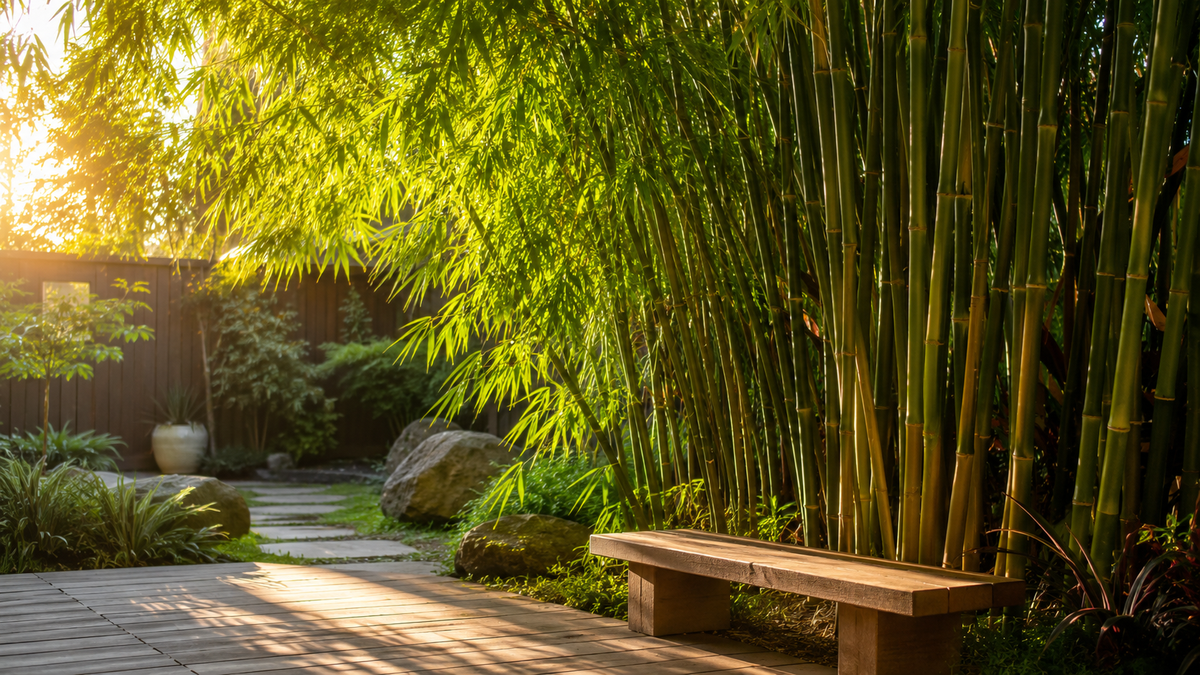
There is something instantly calming about the sound of bamboo moving in the wind. The soft clatter of culms, the gentle whisper of leaves and the rhythmic sway of stems can make a garden feel less like an outdoor space and more like a private retreat.
For Australian home gardeners, landscapers and property owners, bamboo offers more than screening, shade and structure. It can also introduce a soothing natural soundscape that helps soften busy surroundings, mask unwanted noise and create a sense of calm at home.
Whether you are designing a courtyard, poolside screen, meditation corner or lush boundary planting, bamboo can help turn your garden into a place where you genuinely want to slow down.
Key Takeaways
- Bamboo adds a gentle, natural rustling sound that can make gardens feel calmer and more private.
- The movement of bamboo leaves and culms helps create a relaxing sensory experience.
- Clumping bamboo is often the best choice for Australian home gardens because it is easier to manage.
- Correct placement, species selection and maintenance are essential for long-term success.
- Bamboo works beautifully in courtyards, screens, pool areas, patios and wellness-inspired gardens.
Why Bamboo Sounds So Relaxing
The rustle of bamboo is subtle, layered and natural. Unlike traffic, machinery or neighborhood noise, bamboo produces an organic sound that changes with the breeze. Light wind may create a soft leafy whisper, while stronger breezes can bring out a gentle tapping between culms.
This variation is part of what makes bamboo so appealing. The sound is not repetitive or harsh. It feels alive, but not overwhelming.
A Natural Sound Barrier
Bamboo will not block sound in the same way as a solid wall, but dense plantings can help soften the impact of unwanted noise. The leaves, stems and layered growth can diffuse sound, making nearby traffic or neighbors feel less intrusive.
For property owners in suburban areas, bamboo can be especially useful along fences, driveways, pool boundaries and outdoor entertaining zones. When combined with other garden elements such as hedges, timber screens or water features, it can contribute to a much more peaceful outdoor environment.
 The Sensory Benefits of Bamboo in the Garden
A relaxing garden is not only about how it looks. It is also about how it feels, sounds and moves. Bamboo performs beautifully in this respect because it brings several sensory elements together at once.
Movement That Calms the Eye
Bamboo has a graceful, upright form, but it is never completely still. Even a light breeze can move the foliage, giving the garden a sense of rhythm and softness. This is particularly valuable in modern landscapes, where hard surfaces such as paving, fences and retaining walls can feel rigid.
The movement of bamboo helps balance these built elements, creating a softer and more natural atmosphere.
Sound That Encourages Slowing Down
Many people create outdoor spaces for entertaining, but a garden should also offer moments of quiet. The sound of bamboo can help encourage that shift. A seat positioned near a bamboo screen, for example, can become a favorite place for morning coffee, reading or simply switching off at the end of the day.
Privacy Without Feeling Closed In
One of bamboo’s greatest strengths is its ability to create privacy while still feeling light and natural. Unlike a solid fence or wall, bamboo allows movement, filtered light and airflow. This makes outdoor spaces feel secluded without becoming boxed in.
Choosing the Right Bamboo for a Peaceful Garden
Not all bamboo is the same, and choosing the right type is important. For most Australian residential gardens, clumping bamboo is generally the preferred option because it grows in a more contained habit.
Clumping Bamboo vs Running Bamboo
A common misconception is that all bamboo spreads aggressively. This belief usually comes from experiences with running bamboo, which can travel underground if not properly contained.
Clumping bamboo behaves differently. It expands gradually from the base, forming a tighter clump that is easier to manage. This makes it a practical choice for screens, feature planting and suburban gardens.
For peace of mind, always choose the right bamboo variety for your site, climate and available space. Professional guidance can help you avoid planting a species that grows too tall, too wide or too dense for your garden.

Best Places to Use Bamboo for Stress Relief
Bamboo can be used in many parts of the landscape, but some locations are especially effective for creating a calm, sensory garden.
Along Boundaries and Fences
Planting bamboo along a fence line can create privacy, soften hard edges and reduce the feeling of exposure. The gentle movement and rustling foliage can also make boundary areas feel more natural and less stark.
Beside Outdoor Seating Areas
A small seating nook near bamboo can become a calming escape. This works well in courtyards, side passages, patios and garden corners where you want a quiet spot to unwind.
Around Pools and Spas
Bamboo can add a resort-style feel around pools and spas. Its upright growth, lush foliage and calming movement help create a relaxed holiday atmosphere at home. Just make sure the chosen species suits the available space and maintenance requirements.
Near Home Offices or Studios
For those working from home, bamboo outside a window can provide a soothing visual and acoustic backdrop. Instead of looking at a plain fence, you can enjoy greenery, movement and a gentle soundscape throughout the day.
Practical Tips for Creating a Bamboo Soundscape
To get the best stress-relieving effect from bamboo, think carefully about design, placement and care.
Plant Where Breezes Naturally Move
Bamboo needs airflow to create its signature rustle. Look for parts of the garden where breezes already pass through, such as side boundaries, open courtyards or pool areas.

Use Dense Planting for Greater Impact
A single bamboo plant can be attractive, but a grouped planting or screen will usually create a stronger sensory effect. More foliage means more movement, more texture and a richer sound.
Pair Bamboo with Other Calming Features
Bamboo combines beautifully with gravel paths, stone steppers, timber decking, water bowls, garden benches and soft lighting. Together, these features can create a peaceful retreat that feels considered and complete.
Maintain Your Bamboo Regularly
Healthy bamboo looks and sounds better. Remove old or damaged culms, clear fallen leaves where needed and keep plants well watered during establishment. Mulching can help retain soil moisture and support strong growth.

Common Mistakes to Avoid
Bamboo is a rewarding garden plant, but mistakes in selection or placement can cause frustration.
Choosing the Wrong Species
One of the biggest mistakes is choosing bamboo based only on looks. Height, clump size, screening density and climate suitability all matter. A bamboo that is perfect for a large rural property may be too vigorous for a small courtyard.
Planting Too Close to Structures
Even clumping bamboo needs room to grow. Avoid planting too close to walls, fences, pools or paving unless the variety and spacing are suitable. Good planning at the start helps prevent maintenance issues later.
Forgetting About Sun, Water and Soil
Bamboo is hardy, but it still needs the right conditions. Some varieties prefer full sun, while others tolerate part shade. Most appreciate well-drained soil, consistent moisture and mulch, especially during establishment.
Expecting Instant Results
Bamboo can grow quickly once settled, but it still needs time to establish. For the best long-term result, prepare the soil well, water consistently and allow the plants to develop a strong root system.
Bringing Calm Into Everyday Outdoor Living
The beauty of bamboo is that it can make a garden feel calm without complicated design. Its sound, movement, color and texture all work together to create a more restful environment.
For homeowners, that might mean a private retreat outside the bedroom window. For landscapers, it might mean adding a sensory layer to a contemporary design. For larger properties, bamboo can help define outdoor zones while adding softness and atmosphere.
When chosen carefully and maintained well, bamboo is not just a plant. It is a living soundscape.
Conclusion
Bamboo brings a unique sense of serenity to Australian gardens. Its gentle rustle, graceful movement and lush screening qualities make it ideal for creating calm, private and practical outdoor spaces.
By choosing the right clumping bamboo, planting it in the right location and maintaining it well, homeowners and landscapers can enjoy more than beautiful greenery. They can create a garden that sounds as relaxing as it looks.