Screening the Pool: Salt-Tolerant Plants for a Private Backyard Oasis
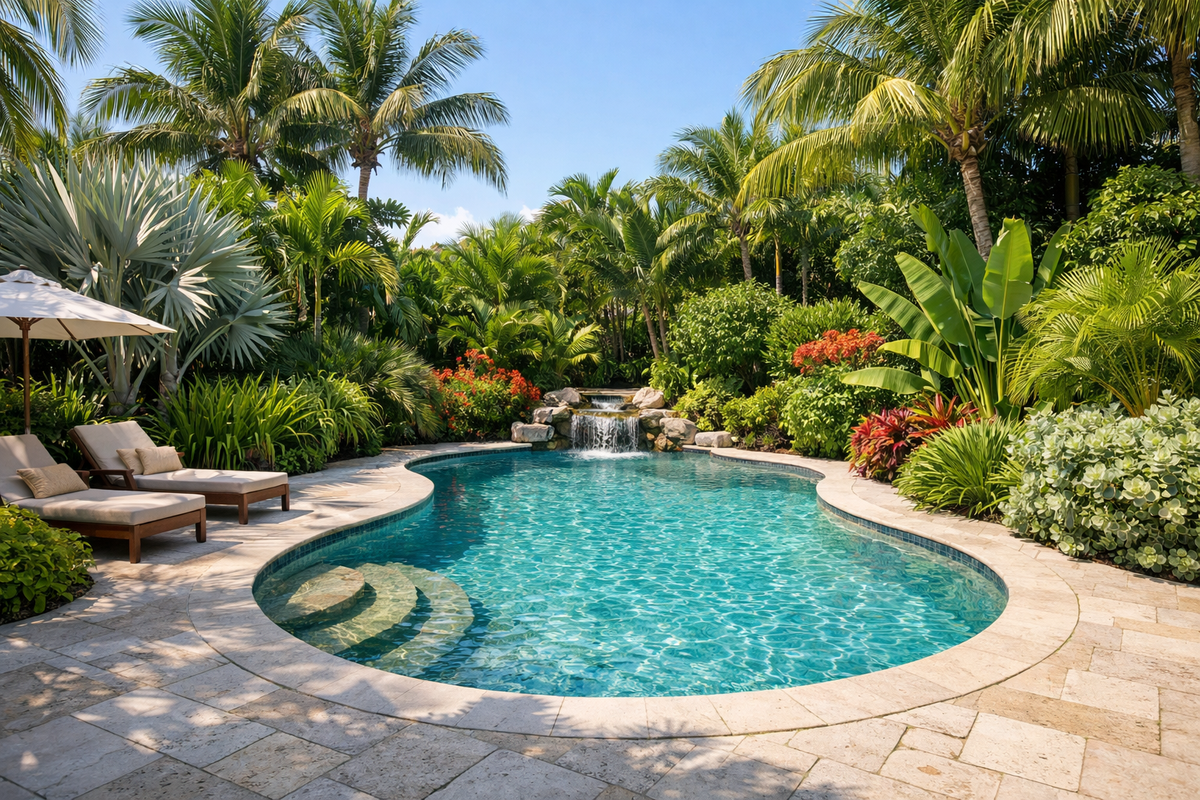
A swimming pool can transform an ordinary yard into a relaxing retreat, but the right planting is what makes it feel like a true backyard oasis. If you are planning to screen your pool area, privacy is only one part of the equation. Poolside plants also need to handle a challenging environment that often includes reflected heat, intense sun, splashed water, and in many cases, salt exposure from chlorinated or saltwater pools. That is why choosing salt-tolerant plants is so important.
The best pool screening plants do more than hide fences and neighboring views. They soften hard landscaping, create a resort-like atmosphere, and help make the pool zone feel cooler and more inviting. With the right mix of structure, texture, and resilience, you can build a poolside screen that is both practical and beautiful.
Why Salt-Tolerant Plants Matter Around Pools
Poolside conditions can be harsh on plants. Water splash, chemical residue, wind exposure, and radiant heat from paving can stress species that might thrive elsewhere in the garden. Even a well-maintained pool creates a unique microclimate, and plants that are not suited to it may quickly develop scorched leaves, poor growth, or ongoing maintenance issues.
Salt-tolerant plants are better equipped to cope with these conditions. They are often more resilient, more reliable, and less likely to decline when exposed to occasional splashes or salty air in coastal areas. This makes them a smart long-term choice for homeowners who want a lush green screen without constantly replacing struggling plants.
Beyond performance, the right poolside plants also improve comfort. A layered screen can provide privacy from nearby homes, reduce glare, and create a more enclosed and peaceful atmosphere around the water.

Best Types of Salt-Tolerant Plants for Pool Screening
When selecting plants for screening, it helps to think in layers. Tall plants create privacy and block views, while lower shrubs and accent plants soften the base and add visual depth. Some of the best salt-tolerant options include coastal shrubs, hardy grasses, structured hedging plants, and tropical-style foliage plants that can handle sun and occasional salt exposure.
Plants such as Lilly Pilly, Viburnum, coastal rosemary, clumping bamboo, lomandra, and certain palms are often chosen for poolside screening because they combine durability with attractive foliage. Clumping bamboo can add quick height and a lush vertical effect, while Lilly Pilly offers a dense evergreen screen with a neat appearance. Ornamental grasses like lomandra can fill in the lower levels and bring movement to the landscape without looking messy.
Palms are another strong option if you want a tropical poolside feel. Many suitable varieties provide soft screening and visual height while maintaining an open, airy look. This can be especially appealing if you want privacy without making the pool area feel closed in.

Choosing Plants for Privacy Without the Mess
One of the biggest concerns around pools is maintenance. While lush planting looks beautiful, the wrong choices can create constant cleanup. Plants that drop excessive leaves, flowers, fruit, or bark can quickly turn your pool area into a high-maintenance zone.
For this reason, it is wise to choose screening plants that are relatively tidy and easy to manage. Dense hedges with controlled growth are often better than sprawling species. Clumping rather than running plants are usually preferable. You should also think about root behavior, mature size, and how close plants will sit to the pool edge or paving.
This is where planning becomes essential. A plant may be salt tolerant, but it also needs to suit the available space and your maintenance preferences. The goal is to create privacy and softness without introducing plants that constantly shed debris into the water or crowd the pool surrounds.

Creating a Backyard Oasis With Texture and Height
The most successful pool screens do not rely on a single plant type. Instead, they combine contrasting shapes and foliage to create a layered, natural look. Upright plants provide the vertical structure needed for privacy, while mounding or strappy plants soften edges and add movement.
For example, a screen of tall bamboo or hedging shrubs can form the backdrop, while lower grasses and architectural plants fill in the foreground. Palms can break up the line of a fence and introduce a resort feel. This approach makes the pool area feel designed rather than simply hidden.
Texture is especially important in pool landscaping because hard surfaces like tiles, coping, and fencing can feel visually sharp. Plants bring balance, helping the space feel cooler, softer, and more welcoming. Even a narrow planting strip can become highly effective when you choose species with different heights and leaf shapes.

Final Thoughts
Screening a pool area is about more than privacy. It is about creating a space that feels calm, sheltered, and visually lush while standing up to the demands of a poolside environment. Salt-tolerant plants are one of the smartest choices for this job because they combine resilience with beauty.
By choosing hardy, low-mess plants and arranging them in layers, you can create a backyard oasis that looks polished and performs well in heat, splash zones, and exposed conditions. Whether you prefer the clean look of evergreen hedges, the relaxed feel of bamboo and palms, or a blend of textures for a resort-style finish, the right salt-tolerant screen can elevate your pool area for years to come.