Pruning 101: How to Thin Out Your Bamboo for a Clean, Architectural Look
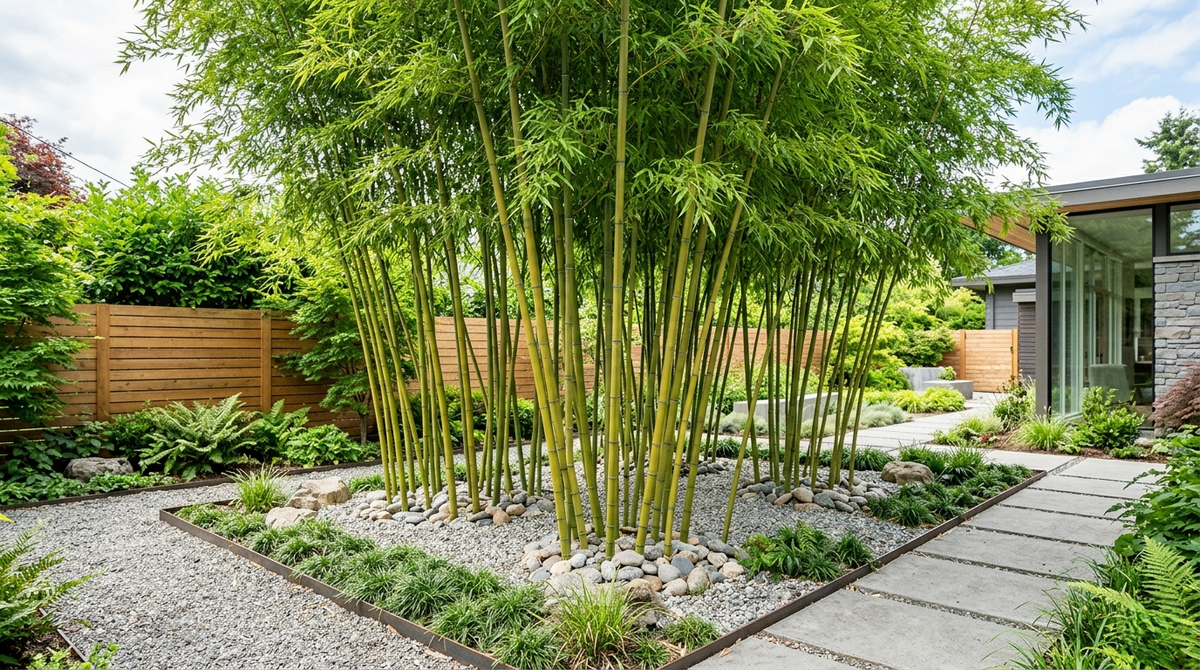
Bamboo can bring height, movement, privacy, and a strong design statement to a garden. But without regular pruning, even beautiful bamboo can start to look crowded, messy, or overly dense. Leaves may hide the graceful canes, older growth can make the plant feel heavy, and the whole planting can lose the elegant structure that makes bamboo so attractive in the first place.
That is where pruning makes all the difference. Thinning out bamboo is not about forcing it into an unnatural shape. Instead, it is about revealing its natural beauty. With the right approach, you can open up the planting, highlight the vertical lines of the canes, and create the clean, architectural look that makes bamboo such a favorite in modern and minimalist gardens.
The good news is that bamboo is usually very forgiving. Once you understand which canes to remove and how much to thin, pruning becomes a simple, satisfying job that can completely transform the look of the plant.
Why Thinning Bamboo Creates a More Architectural Look
One of bamboo’s best features is its structure. The tall, upright canes create rhythm and repetition, while the foliage softens the effect with light texture and movement. When the clump or grove becomes too dense, that structure gets hidden. Instead of seeing the individual canes, you mostly see a wall of leaves.
Thinning solves that problem. By removing selected culms, small branches, and low foliage, you allow the shape of the bamboo to stand out. This gives the planting a more intentional, sculptural appearance. In small gardens especially, this cleaner look can make the space feel more polished and less overgrown.
Pruning also improves airflow and light penetration, which can help keep the plant healthier overall. A well-maintained bamboo planting not only looks better, but is often easier to manage through the growing season.
 When to Prune Bamboo
The best time to prune bamboo is usually during the growing season or just after new canes have emerged and matured enough to evaluate the plant’s shape. In many gardens, light pruning can be done at almost any time, but major thinning is easiest when you can clearly see which culms are old, weak, crowded, or out of place.
Avoid heavy pruning when the plant is under stress from extreme heat, drought, or cold. If your bamboo has recently been planted, give it time to establish before doing more than minor cleanup. Mature bamboo responds especially well to selective thinning because you can better judge the long-term structure.
For routine maintenance, many gardeners do a main pruning session once or twice a year, with occasional touch-ups in between.
Start by Removing the Right Canes
The first step in thinning bamboo is choosing which culms to cut. Focus on removing anything that looks dead, damaged, weak, or badly placed. Then look for canes that cross awkwardly, lean too far, or crowd the center of the plant.
Older culms are often a good place to start. They may look duller, rougher, or less vigorous than newer canes. Removing some of these older stems makes room visually and physically for fresher growth. In dense clumps, taking out a few canes from the interior can open the plant dramatically without making it look sparse.
Always cut unwanted culms low and clean, as close to the ground as practical. Use sharp pruners, loppers, or a pruning saw depending on cane thickness. Clean cuts look better and are easier on the plant.

Lift the Canopy for a More Refined Effect
One of the most effective ways to make bamboo look more architectural is to remove some of the lower branches and leaves. This technique, sometimes called lifting the canopy, reveals the lower portion of the canes and gives the planting a lighter, more elegant feel.
You do not need to strip every cane bare. Instead, remove lower side growth selectively, especially on the front-facing or most visible stems. This keeps the top growth soft and green while showcasing the tall, smooth canes underneath.
This approach works especially well near patios, paths, entryways, and contemporary garden designs where you want bamboo to look intentional rather than wild. Even a modest amount of canopy lifting can make the whole plant seem taller, cleaner, and more sophisticated.
Keep It Natural, Not Over-Pruned
The goal is not to turn bamboo into a stiff hedge or a collection of bare poles. Good pruning should still respect the plant’s natural shape. Stand back often while you work and check the overall balance. It is easy to get carried away when you are focused on individual stems.
Try thinning gradually. Remove a few culms, step back, and reassess. Then trim a little more if needed. This helps you create an open, graceful structure without making the plant look harsh or uneven.
If you want a softer architectural style, leave more foliage and simply improve spacing. If you want a bolder, more dramatic effect, reveal more of the canes and create stronger vertical lines. Either way, balance is what makes the final result attractive.

Common Bamboo Pruning Mistakes to Avoid
One common mistake is cutting the tops off every cane to force uniform height. While topping can sometimes be used carefully for height control, overdoing it can ruin the natural form and lead to awkward-looking regrowth. Bamboo usually looks best when its vertical character is preserved.
Another mistake is removing too much at once. Heavy thinning can leave the plant exposed and unbalanced. It is better to prune in stages, especially if the bamboo has been neglected for a while.
Some gardeners also focus only on the outer growth and ignore the crowded center. But interior thinning is often what creates the real transformation. Finally, do not use dull tools or tear branches by hand. Clean cuts look better and reduce damage.
Simple Maintenance for Long-Term Results
Once your bamboo has the shape you want, maintaining it becomes much easier. Check it a few times a year for dead canes, messy lower growth, or crowded sections. Small, regular touch-ups usually prevent the need for a major overhaul later.
Sweeping out fallen leaves and trimmed material also helps keep the base looking neat. If the bamboo is in a prominent part of the garden, this extra bit of care makes a big visual difference.

Conclusion
Pruning bamboo for a clean, architectural look is really about selective thinning, not aggressive cutting. By removing older or crowded canes, lifting some lower foliage, and preserving the plant’s natural shape, you can reveal the beauty that is often hidden in dense growth.
The key is to work gradually and thoughtfully. A few careful cuts can open the plant, improve its structure, and give your garden a more polished feel. With regular maintenance, your bamboo can stay elegant, airy, and beautifully sculptural year after year.