Palm Trees in Planters: Choosing a Potting Mix That Won’t Compact Over Time
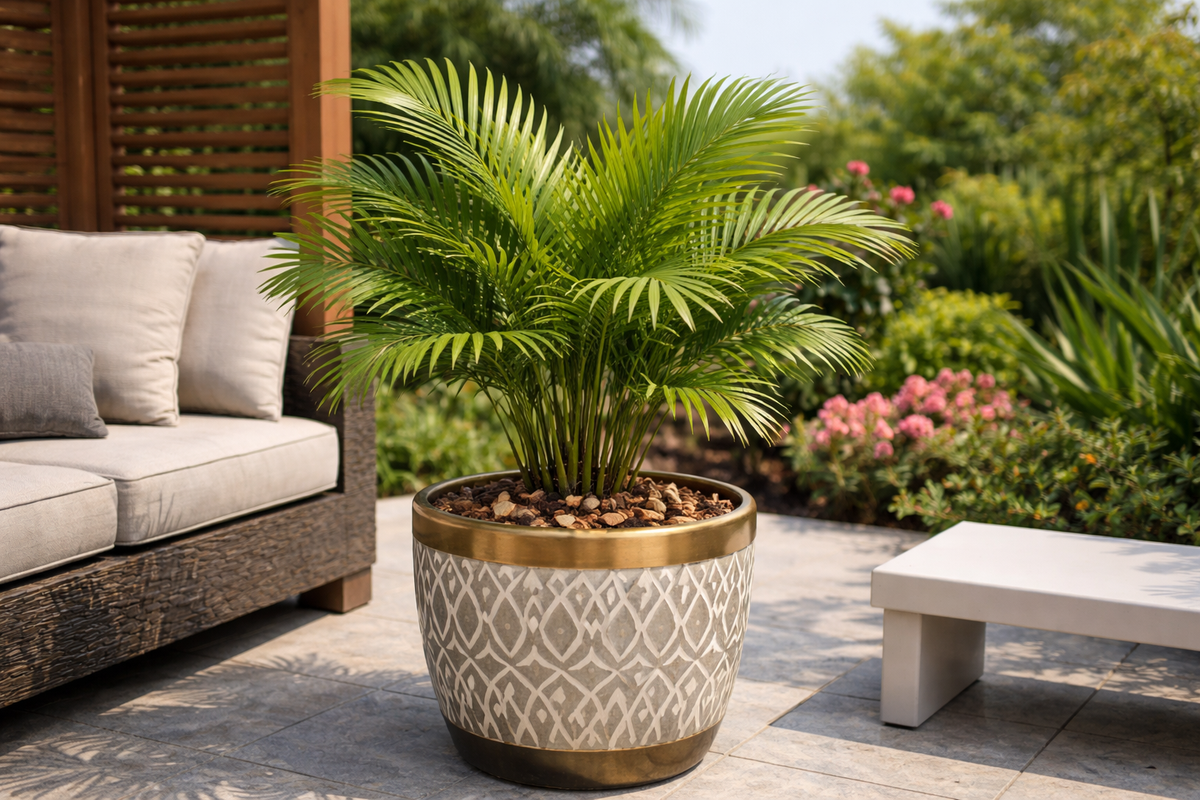
Palm trees can bring an instant tropical feel to patios, entryways, balconies, and poolside spaces. They add height, texture, and a relaxed resort-style look that works beautifully in containers. But while palms often look effortless above the soil, what happens below the surface matters just as much. If the potting mix in your planter compacts over time, your palm can begin to struggle in ways that are easy to miss at first.
A compacted potting mix reduces airflow around the roots, slows drainage, and makes it harder for water and nutrients to move evenly through the container. Over time, this can lead to weak growth, yellowing leaves, root stress, and even rot. That is why choosing the right potting mix is one of the most important decisions you can make when growing palm trees in planters.
Why Potting Mix Compaction Is a Problem for Palms
Palm trees need a healthy root environment to grow well in containers. Unlike garden soil, potting mix is designed to stay lighter and more open, helping roots access both moisture and oxygen. But not all mixes hold their structure over time. Some break down too quickly, especially with repeated watering, heat, and natural settling.
When that happens, the mix becomes dense and heavy. Water may start pooling on the surface or moving too slowly through the pot. In other cases, the soil may become hard and uneven, causing water to run down the sides without soaking the root ball properly. Either way, the roots suffer.
Palms in planters are especially vulnerable because their root space is limited. In the ground, roots can spread farther in search of better conditions. In a container, they depend entirely on the quality of the mix you provide.

Why Regular Garden Soil Is the Wrong Choice
One of the most common mistakes people make is using garden soil in containers. While it may seem like a simple and natural option, regular soil is usually too heavy for planters. It compacts easily, drains poorly, and can become dense enough to suffocate roots over time.
Palm trees need a growing medium that stays open and breathable. A container mix should be able to retain some moisture without becoming soggy and should allow excess water to move through freely. That balance is difficult to achieve with standard yard soil, especially in pots that are watered often.
Instead of using garden soil, choose a high-quality potting mix made for containers. Better yet, look for one with ingredients that help resist breakdown and maintain structure over the long term.
What to Look for in a Long-Lasting Potting Mix
A good potting mix for potted palms should feel loose, chunky, and well-draining rather than fine, dusty, or overly dense. The goal is to create a stable environment that supports roots without compacting too quickly.
Look for mixes that include components such as pine bark, coarse perlite, coconut coir, or other ingredients that help improve airflow and drainage. Bark-based materials are especially useful because they add structure and break down more slowly than finer organic matter. Perlite helps create air pockets, while coir can hold moisture without making the mix feel heavy.
Avoid mixes that feel too soft and peat-heavy without any coarse material to support long-term structure. These can shrink, compress, and stay wet for too long, especially in large containers.

Why Drainage and Airflow Matter More Than You Think
When people think about watering palms, they usually focus on how often to water. But drainage and airflow are just as important as moisture. Palm roots need oxygen to function properly, and a compacted mix can cut off that access.
A well-structured mix allows water to move through the container evenly while still leaving enough moisture behind for the roots to use. This helps reduce the risk of root rot while also preventing drought stress caused by uneven watering.
In practical terms, this means your palm is more likely to stay healthy, stable, and attractive over time. The fronds will look better, the root system will stay stronger, and the plant will be better able to handle heat, wind, and seasonal changes.
Signs Your Potting Mix Is Starting to Compact
Even if you started with a decent mix, it is smart to watch for signs that it is beginning to break down. One clue is when water suddenly takes much longer to drain than it used to. Another is when the surface of the pot looks shrunken, crusty, or sunken well below the rim.
You may also notice that your palm seems less vigorous, even when you are watering and feeding it consistently. Yellowing lower fronds, slow growth, and a heavy, soggy container can all point to a soil structure problem.
If you catch compaction early, you may be able to refresh the top layer or improve care. If the mix is severely broken down, repotting into a fresher, more open blend is often the best solution.

Tips for Keeping Potting Mix in Better Shape Longer
Choosing the right mix is the first step, but a few care habits can help it last longer. Start with a planter that has good drainage holes. Avoid letting the pot sit in standing water, since constant saturation speeds up breakdown and root stress.
Use a mulch layer on top if needed to reduce temperature swings and slow moisture loss, but keep it light and breathable. Water thoroughly, but do not overwater on a fixed schedule if the mix is still damp. Over time, that repeated excess moisture can make even a decent mix collapse faster.
It is also a good idea to inspect container palms regularly and refresh the potting mix when needed. In some cases, top-dressing with fresh mix helps, but larger palms may eventually need full repotting to keep the root zone healthy.

Final Thoughts
Palm trees can thrive in planters, but they need more than a beautiful container and a sunny location. The potting mix you choose plays a major role in how well your palm performs over time. A mix that stays airy, drains well, and resists compaction helps protect the roots and supports healthier long-term growth.
If you want your potted palms to stay lush and attractive, avoid heavy garden soil and choose a container mix with durable structure. Focus on airflow, drainage, and ingredients that hold up through repeated watering. With the right foundation in place, your palm will have a far better chance of staying healthy, upright, and beautiful season after season.