Olive Trees: Growing, Care and Landscaping Tips for Beautiful Australian Gardens
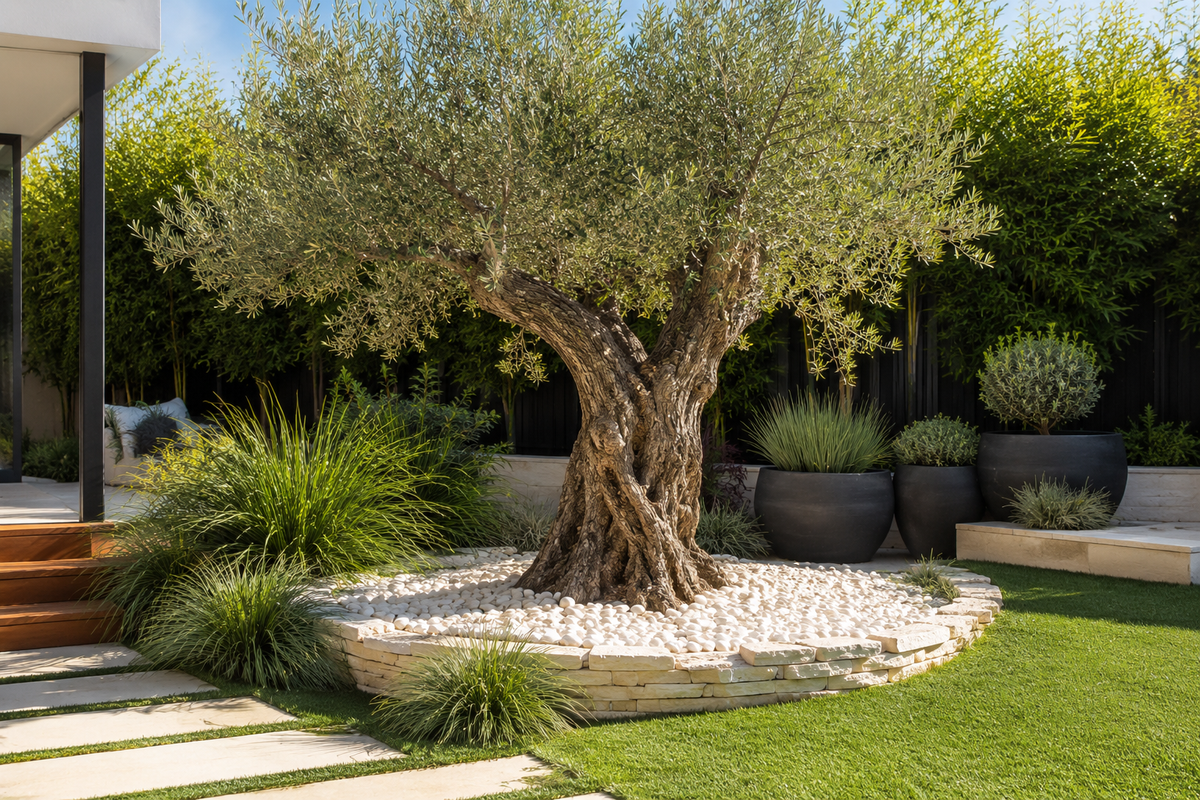
Olive trees have become one of Australia's favorite feature trees, bringing timeless Mediterranean charm to modern landscapes. Their distinctive trunks, soft silver-green foliage and low-maintenance nature make them an excellent choice for home gardeners, landscapers and property owners looking to create an elegant outdoor space.
Whether you're planting a single specimen tree or incorporating olive trees into a broader landscape design, understanding their growing requirements will help them thrive for many years. With the right care, olive trees reward gardeners with year-round beauty and can even produce fruit in suitable conditions.
Key Takeaways
- Olive trees thrive in full sun and well-drained soil.
- They are drought tolerant once established.
- Regular pruning improves airflow and shape.
- Olive trees suit contemporary, Mediterranean and native-inspired gardens.
- Good drainage is essential for long-term health.
Why Olive Trees Are Ideal for Australian Gardens
Australia's warm climate closely resembles the Mediterranean conditions where olive trees naturally flourish. This makes them particularly well suited to many regions, especially areas with hot summers and mild winters.
Beyond their practical benefits, olive trees add year-round structure to a landscape. Their textured bark develops character with age, while their elegant canopy complements both formal and relaxed garden designs.
They also pair beautifully with architectural plants such as Yucca rostrata, Blue Grass Trees, Agaves and ornamental grasses, creating a sophisticated landscape with minimal maintenance.
Choosing the Best Location
Plenty of Sunlight
Olive trees perform best when planted in a position receiving at least six to eight hours of direct sunlight each day.
A sunny location encourages healthy foliage growth, stronger branches and better fruit production if growing ornamental fruiting varieties.
Well-Drained Soil
One of the biggest causes of poor olive tree performance is overly wet soil.
If your garden has heavy clay soil, improve drainage by adding organic matter or planting slightly above ground level. Raised garden beds or large decorative pots can also provide excellent drainage.

How to Plant an Olive Tree
Planting correctly helps establish a strong root system.
When planting:
- Dig a hole twice as wide as the root ball.
- Position the tree so the root flare sits at ground level.
- Backfill with quality soil.
- Water thoroughly after planting.
- Apply mulch around the base while keeping it away from the trunk.
During the first year, water regularly while the roots become established. Once mature, olive trees require much less irrigation and tolerate dry periods well.
Caring for Olive Trees Throughout the Year
Watering
Although drought tolerant, newly planted olive trees need consistent watering during establishment.
Established trees generally require only occasional deep watering during extended dry periods.
Fertilizing
Apply a balanced slow-release fertilizer during spring to encourage healthy growth.
Avoid excessive nitrogen, as this may encourage leafy growth at the expense of flowers and fruit.
Pruning
Annual pruning helps maintain an attractive shape while improving airflow through the canopy.
Remove:
- Dead branches
- Crossing limbs
- Suckers growing from the base
- Crowded interior growth
Light pruning each year is generally better than heavy pruning every few years.

Landscaping with Olive Trees
Olive trees are incredibly versatile landscape plants.
They work beautifully as:
Feature Specimen Trees
A single mature olive tree creates an impressive focal point in courtyards, front gardens and entryways.
Contemporary Garden Designs
Combine olive trees with:
- White decorative pebbles
- Charcoal pots
- Timber decking
- Limestone paving
- Native grasses
This combination creates a clean, modern aesthetic with year-round appeal.
Poolside Landscaping
Because olive trees have relatively low water requirements, they suit poolside gardens where minimal leaf drop and drought tolerance are valued.
 Common Olive Tree Mistakes to Avoid
Even though olive trees are relatively easy to grow, a few common mistakes can reduce their health.
Overwatering
Too much water is far more damaging than too little.
Ensure excellent drainage and avoid constantly wet soil.
Planting in Too Much Shade
Insufficient sunlight often leads to sparse foliage and reduced vigor.
Choose the sunniest location available.
Ignoring Pruning
Without occasional pruning, trees may become overcrowded, reducing airflow and increasing the chance of disease.
Regular maintenance keeps the canopy healthy and attractive.
 Conclusion
Olive trees are a timeless addition to Australian landscapes, offering beauty, resilience and year-round structure with relatively little maintenance. By planting them in a sunny position with well-drained soil, providing occasional pruning and avoiding overwatering, you can enjoy a healthy tree for decades. Whether used as a striking feature tree, a poolside focal point or part of a contemporary garden design, olive trees bring lasting elegance and value to almost any outdoor space