Kentia Palm Care Guide: Indoors vs Outdoors, Watering, Light & Growth Tips
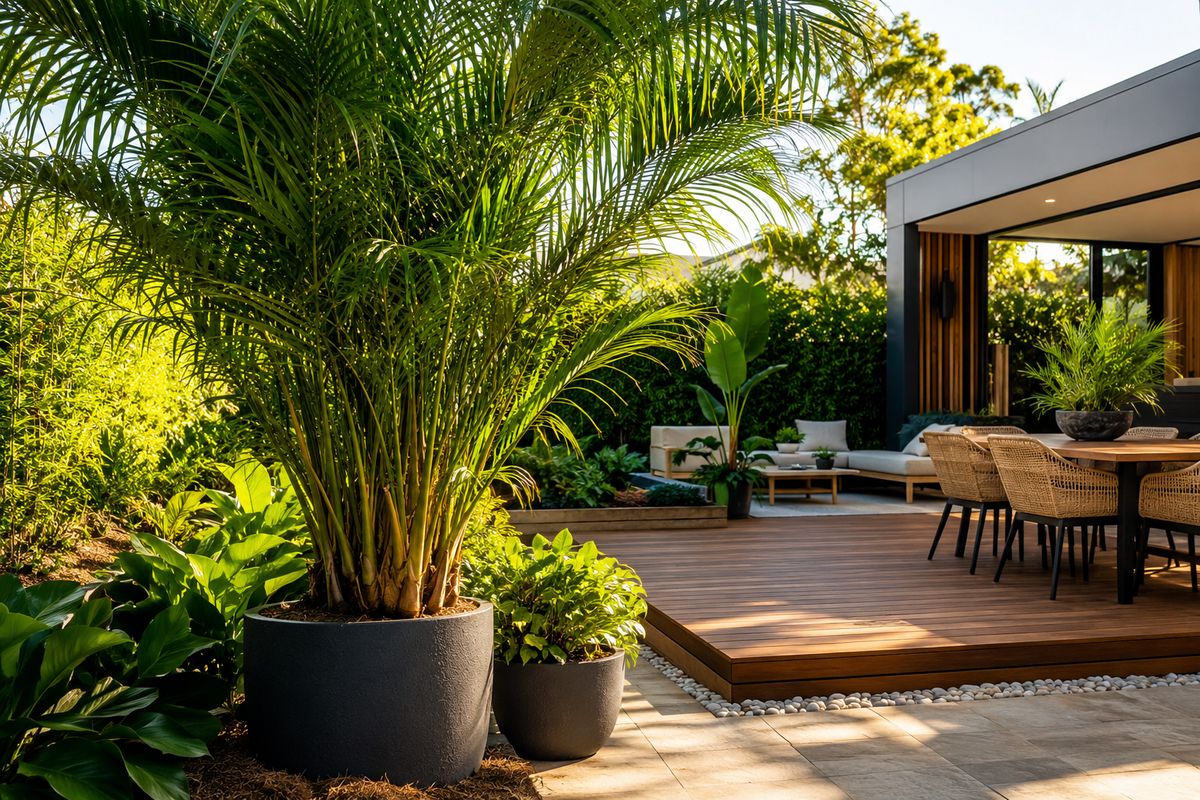
The Kentia Palm (Howea forsteriana) is one of Australia's most elegant and versatile palms. Native to Lord Howe Island, it has become a favorite among homeowners, interior designers and landscapers thanks to its graceful appearance, impressive longevity and relatively easy care.
Whether you're styling a bright living room, creating a tropical courtyard or adding greenery to a poolside entertaining area, understanding how to properly care for your Kentia Palm will help it remain healthy for many years. While it's considered a low-maintenance plant, the right balance of light, watering and growing conditions makes a significant difference.
Key Takeaways
- Kentia Palms thrive in bright, indirect light but tolerate lower light conditions.
- Water consistently without allowing the soil to become waterlogged.
- Outdoor specimens perform best in sheltered, partially shaded locations.
- Slow growth is completely normal and contributes to the palm's elegant shape.
- Regular maintenance keeps foliage lush and attractive year-round.
Why Kentia Palms Are So Popular
The Kentia Palm is admired for its soft, arching fronds and timeless appearance. Unlike many tropical palms, it adapts well to both indoor and outdoor environments across much of Australia.
Its elegant structure complements:
- Contemporary homes
- Resort-style gardens
- Courtyards
- Poolside landscapes
- Large decorative pots
- Commercial spaces and offices
Because it grows slowly, it maintains a neat appearance with minimal pruning, making it an excellent choice for busy homeowners.
Indoor vs Outdoor Growing
Growing Kentia Palms Indoors
Kentia Palms are among the best indoor palms because they tolerate filtered light better than many tropical species.
For best results:
- Place near a bright window with indirect sunlight.
- Avoid harsh afternoon sun through glass.
- Rotate the pot every few weeks to encourage even growth.
- Keep away from heaters and air conditioning vents.
An indoor Kentia Palm instantly softens modern interiors while improving the sense of space and greenery.
Growing Kentia Palms Outdoors
Outdoors, Kentia Palms perform beautifully in Australia's mild and coastal climates.
Choose a location that offers:
- Morning sun
- Filtered afternoon shade
- Protection from strong winds
- Well-draining soil
Young palms appreciate extra shade while becoming established. Mature specimens become more resilient but still prefer protection from prolonged, intense afternoon heat.

Watering Your Kentia Palm Correctly
One of the most common mistakes is overwatering. Although Kentia Palms appreciate consistent moisture, they dislike constantly wet roots.
How Often Should You Water?
Water when the top few centimeters of soil begin to dry.
Generally:
- Spring and summer: water more frequently as temperatures rise.
- Autumn and winter: reduce watering as growth slows.
Always check the soil before watering rather than following a fixed schedule.
If growing in pots, ensure excess water drains freely to prevent root problems.
Signs of Incorrect Watering
Overwatering may cause:
- Yellowing leaves
- Soft stems
- Root rot
- Fungus issues
Underwatering often results in:
- Brown leaf tips
- Crispy foliage
- Slower growth
Adjust watering gradually rather than making dramatic changes.
Giving Your Kentia Palm the Right Light
Light is one of the biggest influences on healthy growth.
Kentia Palms prefer:
- Bright indirect light
- Dappled shade outdoors
- Gentle morning sun
Avoid placing them in harsh western sun for extended periods, particularly during Australian summers.
If grown indoors in lower light, the palm will usually survive but may grow more slowly.
Supporting Healthy Growth
Kentia Palms are naturally slow growers, which is one reason they remain attractive for decades.
Healthy growth can be encouraged by:
Feeding
Apply a quality slow-release palm fertilizer during spring and summer following the manufacturer's recommendations.
Avoid excessive fertilizer, which may damage roots or cause leaf burn.
Soil
Use free-draining, premium-quality potting mix for containers.
Garden-grown palms perform best in fertile soil enriched with organic matter.
Repotting
Repot only when necessary.
Kentia Palms prefer being slightly root-bound and often require repotting only every few years.

Common Kentia Palm Problems
Even hardy plants experience occasional issues.
Brown Leaf Tips
Usually caused by:
- Dry indoor air
- Inconsistent watering
- Salt build-up from fertilizer
Trim only the brown portions without cutting into healthy green tissue.
Yellow Leaves
Older fronds naturally yellow as they age.
However, widespread yellowing may indicate overwatering or poor drainage.
Slow Growth
Many new owners worry their palm isn't growing fast enough.
In reality, Kentia Palms are naturally slow-growing. Healthy foliage is usually a better indicator of success than rapid height increases.

Simple Maintenance Tips
Keeping your Kentia Palm looking its best requires very little ongoing effort.
A few simple habits include:
- Remove completely dead fronds only.
- Wipe indoor leaves occasionally to remove dust.
- Inspect regularly for pests such as scale insects or spider mites.
- Keep mulch away from the trunk when planted outdoors.
- Water deeply during extended dry periods.
With consistent care, a Kentia Palm can remain an elegant feature for decades.
Why Kentia Palms Work So Well in Australian Landscapes
Kentia Palms fit effortlessly into many Australian garden styles.
They're commonly used:
- Beside swimming pools
- Along entryways
- In tropical-inspired gardens
- Around outdoor entertaining spaces
- As statement plants in oversized decorative pots
- Within layered landscape designs featuring bamboo, grasses and architectural plants
Their graceful form creates year-round greenery without overwhelming surrounding plants.

Conclusion
Kentia Palms are an outstanding choice for Australian homes and landscapes thanks to their elegant appearance, adaptability and low-maintenance nature. By providing the right combination of indirect light, careful watering, well-draining soil and occasional feeding, you can enjoy a healthy palm that adds beauty indoors or outdoors for many years. Whether you're enhancing a living space or designing a resort-inspired garden, a well-cared-for Kentia Palm delivers timeless appeal with minimal effort.